- The four-day event, which runs from Dec. 1-4, is being held in partnership with the Nuclear and Radiological Regulatory Commission and the International Atomic Energy Agency
RIYADH: The International Nuclear Emergency Preparedness and Response conference opened in Riyadh on Monday, with key industry leaders addressing the emerging threats and new response technologies for nuclear and radiological emergencies.
The four-day event, which runs from Dec. 1-4, is being held in partnership with the Nuclear and Radiological Regulatory Commission and the International Atomic Energy Agency.
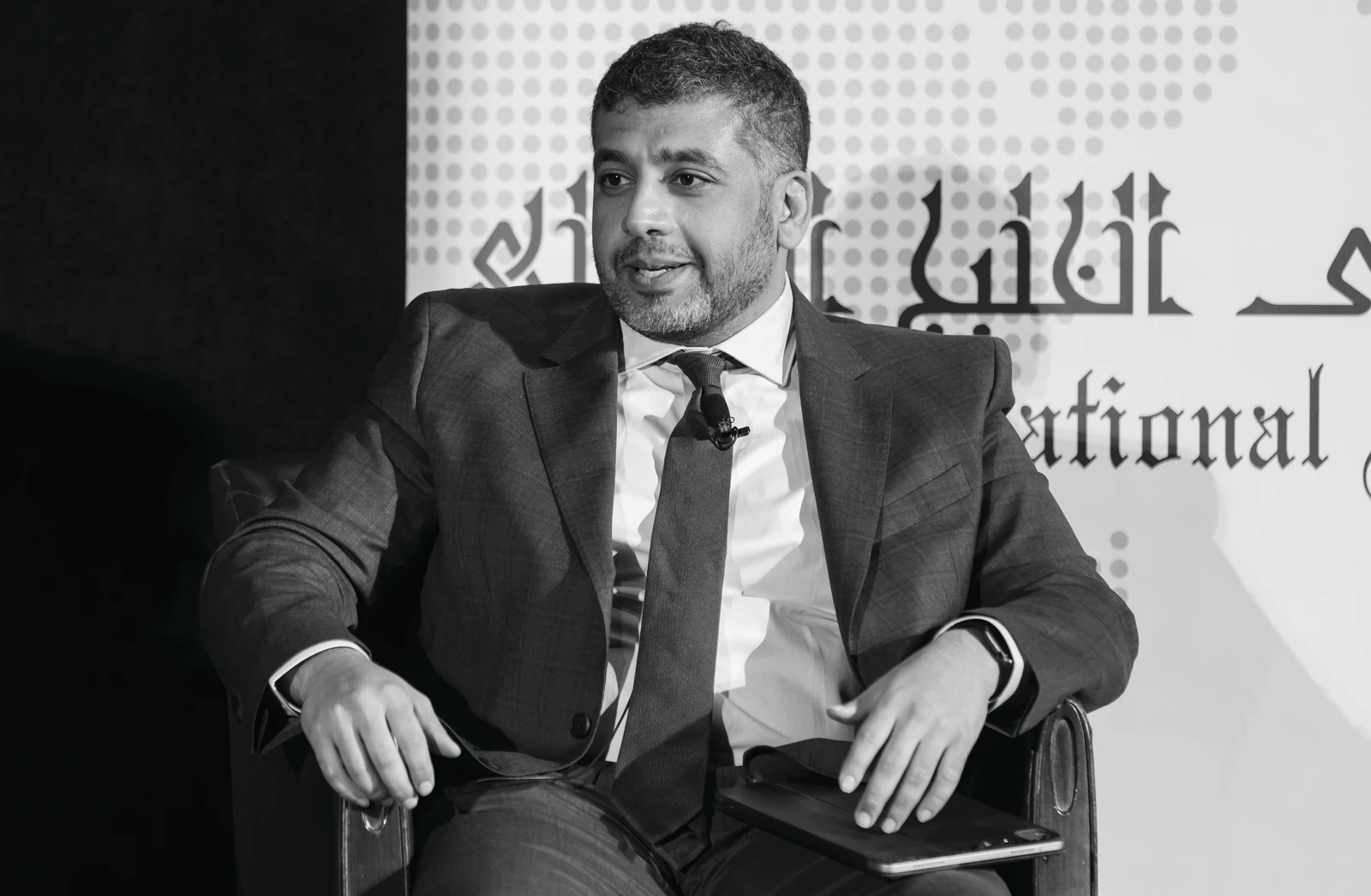
It began with a keynote speech from conference president Khaled Al-Eissa, who underlined the importance of institutional preparedness when dealing with radiological accidents.
“The history of our field is marked by moments that tested the boundaries of science, governance and human resolve,” he said.
“In Chernobyl in 1986, the world witnessed how a single accident could transcend borders, turning a local tragedy into a global wake-up call that redefined the principles of transparency, notification, early warning and shared accountability.”
He stressed “that the need for integrated, multi-sectoral frameworks for preparedness and response is imperative.”
Al-Eissa also highlighted how historic nuclear accidents have transformed the way nations think, plan and respond.
“Every one of these incidents in our history has proven one truth: that preparedness must be institutional, not accidental; proactive, not reactive,” he said. “And that the measure of progress is not just in avoiding the challenge, but also in the ability to respond with unity and a singular purpose.”
The conference, which has the theme “Building the future in an evolving world,” centers on two key topics — anticipating emerging threats and hazards, and embracing new technologies to enhance response capabilities.
IAEA Director-General Rafael Mariano Grossi, speaking via video call, said: “Our theme is, ‘Building the Future in an Evolving World.’ This is timely and fitting. The world is changing faster than our traditional emergency and preparedness and response frameworks.
“The risks we face are different to those we imagined even just a decade ago. If we rely only on yesterday’s scenarios, we will fall behind the realities of today and tomorrow. Anticipation must be at the core of our preparedness.”
He also emphasized three essential points: Trust is essential, the risk landscape is evolving, and the future rests on innovation, cooperation and the next generation.
“I urge all countries to build their national response capacities, strengthen regional cooperation, and join the relevant international conventions. We must ensure there are no gaps in our global systems. Preparedness and response go hand in hand,” he said.
Session topics during the event include comprehensive decision-making in radiological and nuclear crises, emergency preparedness and response for floating, mobile, and small modular reactors and building a resilient public health workforce.
The conference will also discuss how member states and international organizations can maximize their EPR effectiveness, sustainability and resilience.
With the public able to watch proceedings via livestream, it also aims to enhance global awareness of crucial emergency preparedness and response topics.
Attendees include response organizations such as medical services, law enforcement and civil protection, as well as industry experts in nuclear and research, civil society organizations and academics.