- Secret exercise models worst-case scenario of prolonged waterway blockage and supply disruptions
- Fuel price rise, food price inflation and shortage of essential gas expose fragility of modern systems
LONDON: The turnstone is a small wading bird, commonly found around the coastline of the UK, where it spends most of its time scrabbling under pebbles for its favorite foods — insects, crustaceans and molluscs.
Turnstone is also the name of a secret planning exercise being run by the UK government, which envisages worst-case knock-on effects of the closure of the Strait of Hormuz, which could see British consumers scrabbling for food as supplies begin to run out.
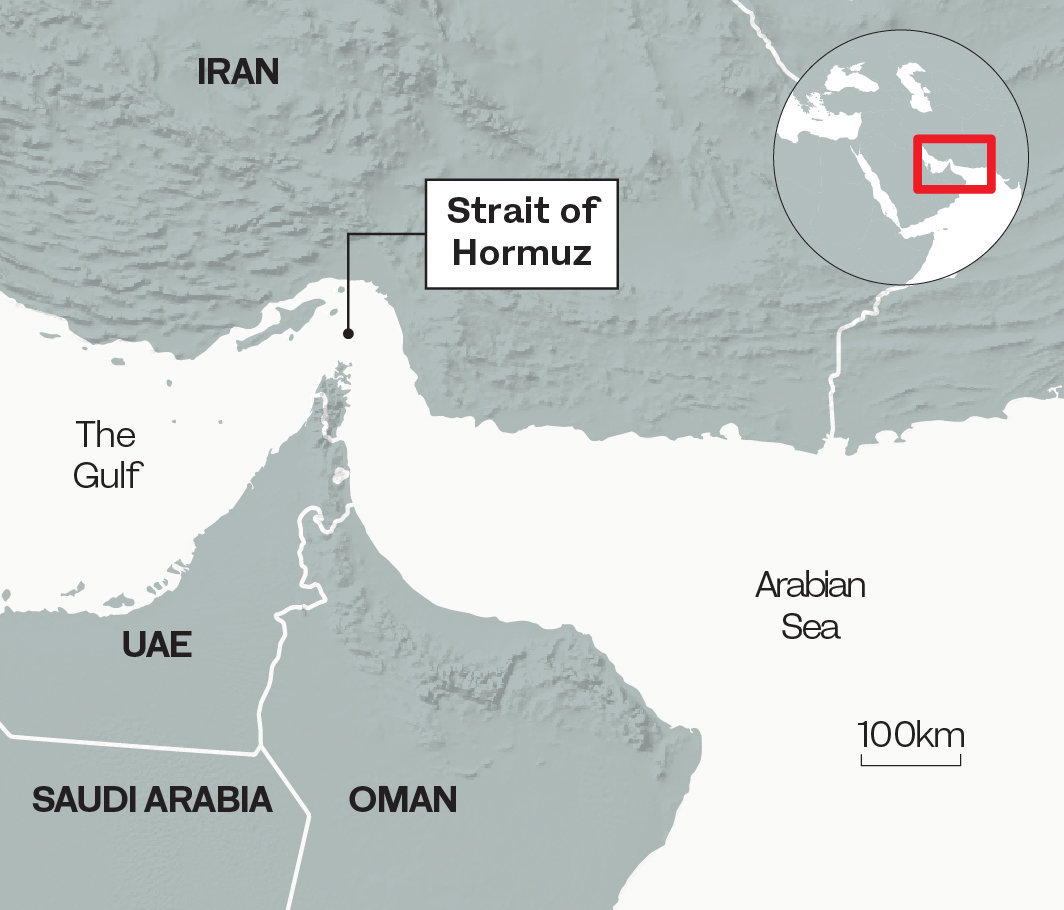
The UK is a long way from the Strait of Hormuz — about 12,000 km by sea, as the container ship or oil tanker sails, via the Red Sea, Suez Canal and Mediterranean.
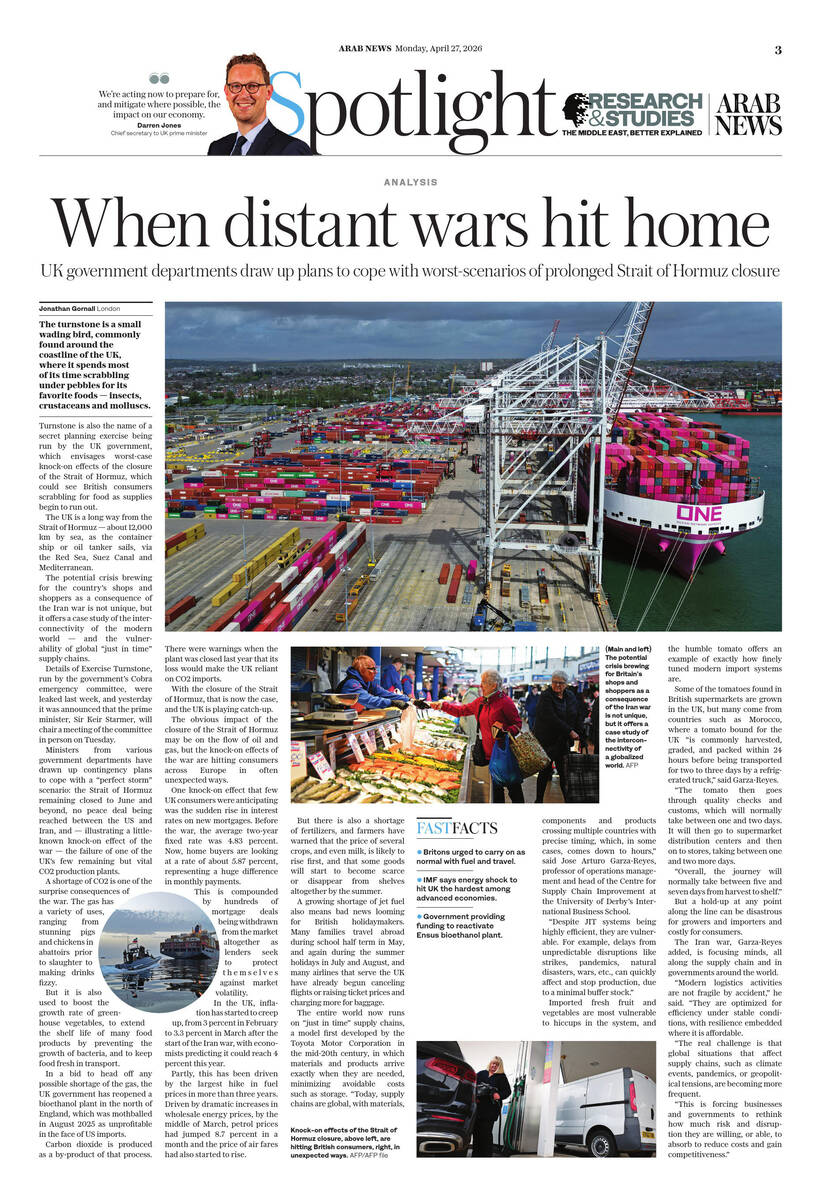
The potential crisis brewing for the country’s shops and shoppers as a consequence of the Iran war is not unique, but it offers a case study of the interconnectivity of the modern world — and the vulnerability of global “just in time” supply chains.
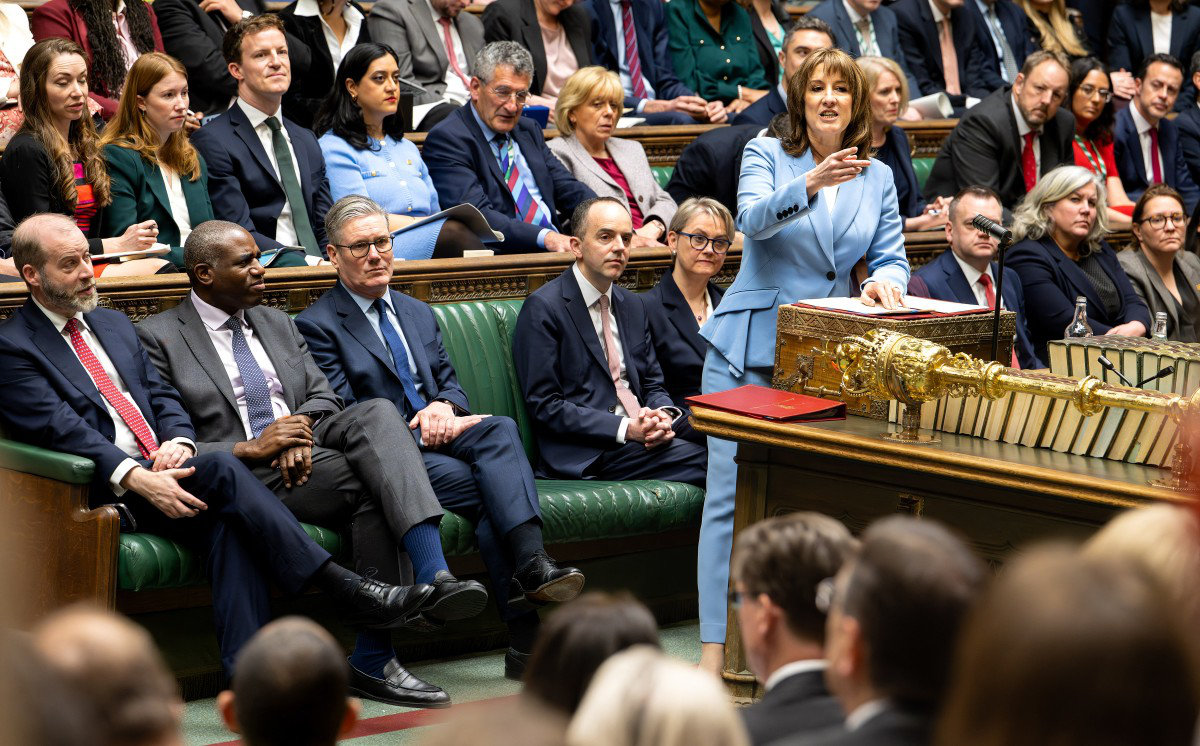
Details of Exercise Turnstone, run by the government’s Cobra emergency committee, were leaked last week, and yesterday it was announced that the prime minister, Sir Keir Starmer, will chair a meeting of the committee in person on Tuesday.
With the government already anticipating unfavorable polling results in local elections being held across the UK on Thursday, ministerial concern was ratcheted earlier this month by the International Monetary Fund’s warning that, among all the world’s advanced economies, the UK will be hit hardest by the energy fallout from the Iran war.
“The war in Iran is not our war, but it will come at a cost to the UK,” said UK chancellor, Rachel Reeves, reacting to the IMF prediction.
“These are not costs I wanted, but they are costs we will have to respond to.”
Ministers from various government departments have drawn up contingency plans to cope with a “perfect storm” scenario: the Strait of Hormuz remaining closed to June and beyond, no peace deal being reached between the US and Iran, and — illustrating a little-known knock-on effect of the war — the failure of one of the UK’s few remaining but vital CO2 production plants.
A shortage of CO2 is one of the surprise consequences of the war. The gas has a variety of uses, ranging from stunning pigs and chickens in abattoirs prior to slaughter to making drinks fizzy.
But it is also used to boost the growth rate of greenhouse vegetables, to extend the shelf life of many food products by preventing the growth of bacteria, and to keep food fresh in transport.
In a bid to head off any possible shortage of the gas, the UK government has reopened a bioethanol plant in the north of England, which was mothballed in August 2025 as unprofitable in the face of US imports.
Carbon dioxide is produced as a by-product of that process. There were warnings when the plant was closed last year that its loss would make the UK reliant on CO2 imports.
With the closure of the Strait of Hormuz, that is now the case, and the UK is playing catch-up.
“For Britain, the supply chain disruption has been swift and significant,” reported industry data hub SupplyChain as the Hormuz standoff showed no sign of resolving.
“Oil and gas prices have surged as energy supply routes have been severed, but the implications extend far beyond fuel.”
The obvious impact of the closure of the Strait of Hormuz may be on the flow of oil and natural gas, but the knock-on effects of the war are hitting consumers across Europe in often unexpected ways.
One knock-on effect that few UK consumers were anticipating was the sudden rise in interest rates on new mortgages. Before the war, the average two-year fixed rate was 4.83 percent. Now, home buyers are looking at a rate of about 5.87 percent, representing a huge difference in monthly payments.
This is compounded by hundreds of mortgage deals being withdrawn from the market altogether as lenders seek to protect themselves against market volatility.
In the UK, inflation has started to creep up, from 3 percent in February to 3.3 percent in March after the start of the Iran war, with economists predicting it could reach 4 percent this year.
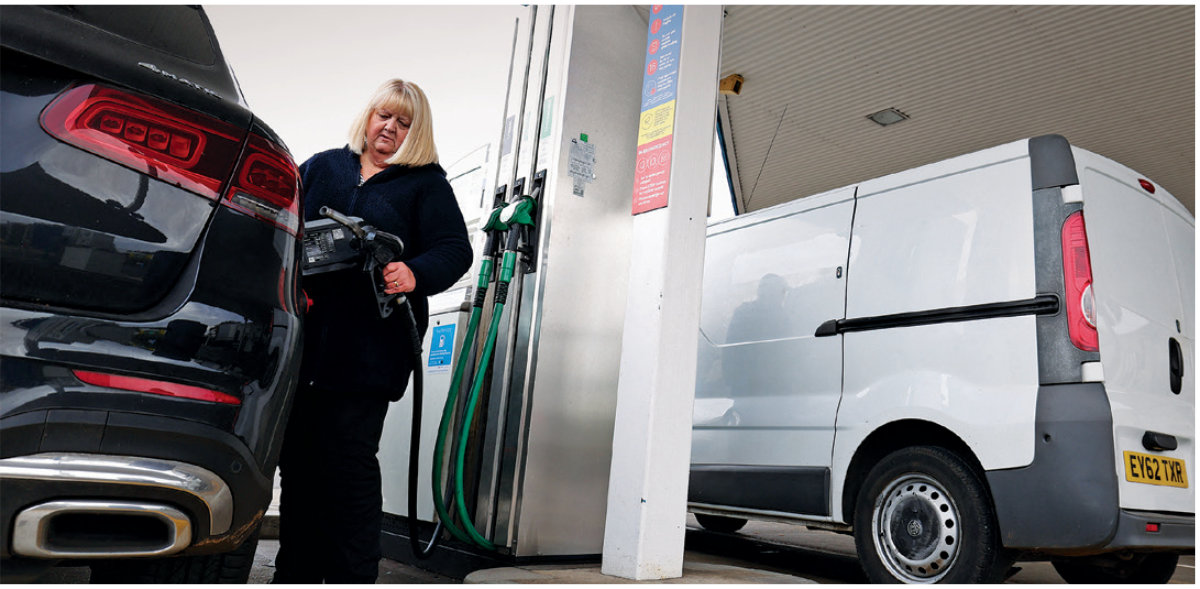
Partly, this has been driven by the largest hike in fuel prices in more than three years. Driven by dramatic increases in wholesale energy prices, by the middle of March, petrol prices had jumped 8.7 percent in a month and the price of air fares had also started to rise.
But there is also a shortage of fertilizers, and farmers have warned that the price of several crops, and even milk, is likely to rise first, and that some goods will start to become scarce or disappear from shelves altogether by the summer.
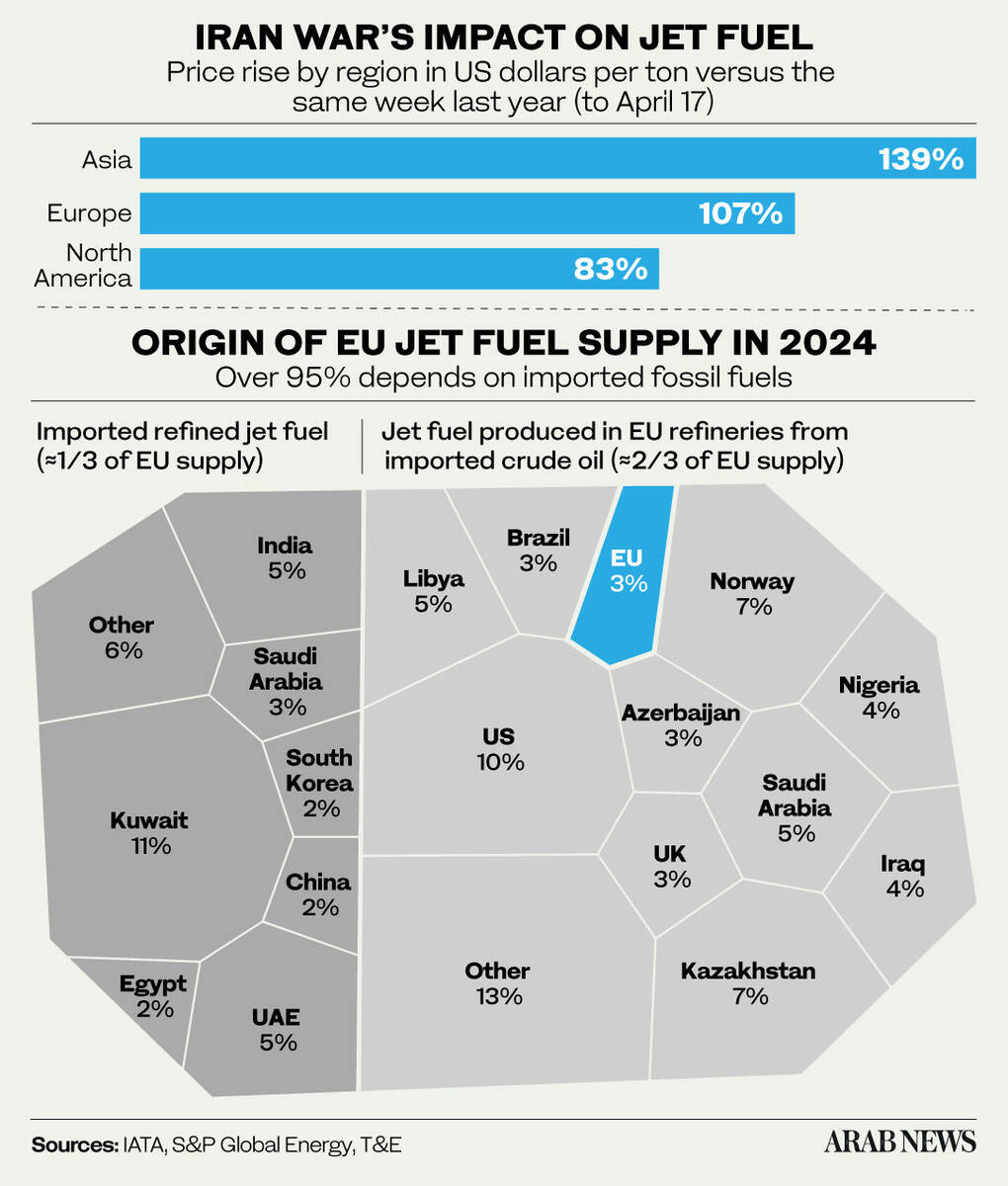
A growing shortage of jet fuel also means bad news looming for British holidaymakers. Many families travel abroad during school half term in May, and again during the summer holidays in July and August, and many airlines that serve the UK have already begun cancelling flights or putting up ticket prices and charging more for baggage.
Ministers have sought to calm consumers — and to avoid a run on supermarkets and petrol stations. “People should carry on filling up and using their cars as normal, shipments of jet fuel are continuing to arrive in the UK and the UK’s critical supply of CO2 has been shored up,” Darren Jones, chief secretary to the prime minister, told the BBC on Saturday.
But the message to “keep calm and carry on” may increasingly lose traction among anxious motorists as the price of fuel continues to rise on forecourts.
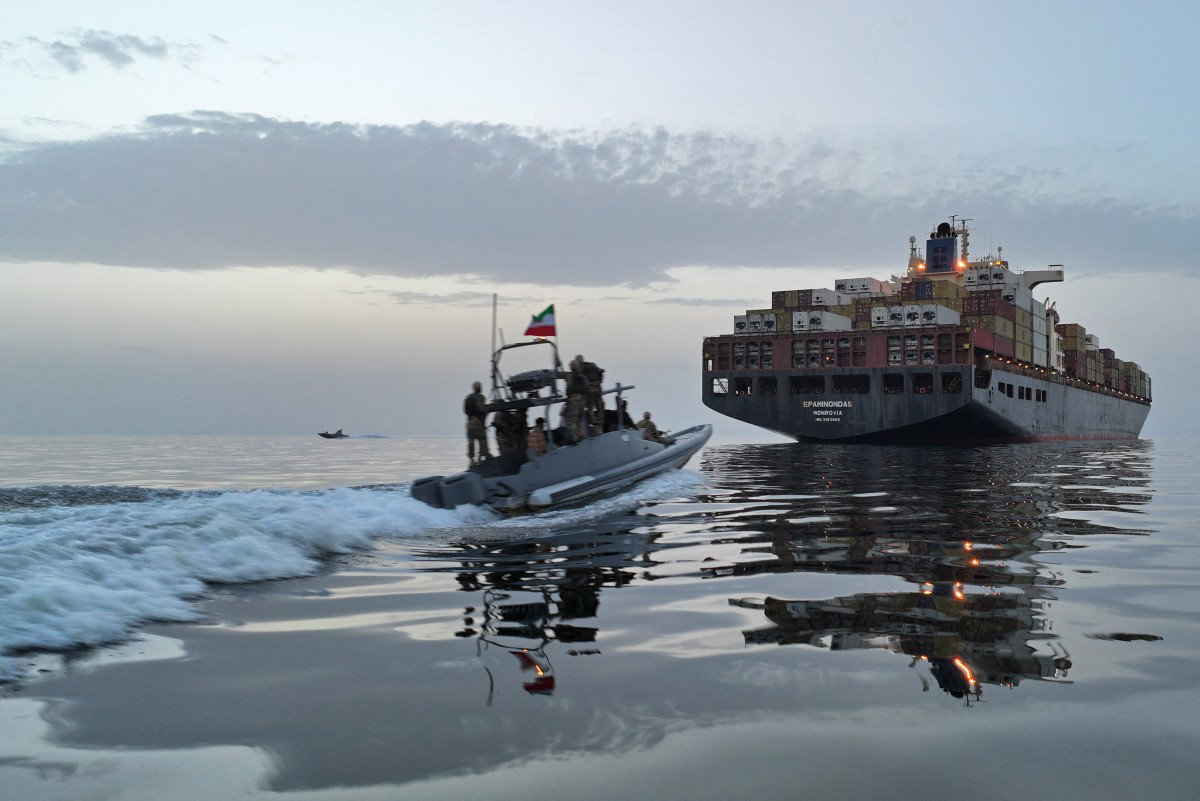
Food and fuel aside, the Hormuz dispute is also impacting the container shipping industry, with long-term consequences likely. Global logistics company Advanced Supply Chain predicts that retail supply chains may take between three and five months to recover from the Iran war, meaning “consumers could face paying higher prices this Christmas, even if peace talks clear a safe passage through the Strait of Hormuz in April.”
Stuart Greenfield, UK and European sales director at ASC, said it could take until at least mid-July for transportation costs “to start trending down toward levels seen before the start of the Middle East conflict in February.”
And by that time, “most retailers will have ordered Christmas stock and absorbed supply chain costs inflated by the Iran war.”
Patterns seen during previous disruptions will likely emerge again, said Greenfield.
“Recent disruptions show that supply chains usually undergo a two-phase adjustment — they initially stabilize to absorb the immediate shock of an event such as a war, before entering a longer period of rebalancing and some form of normalization.
“The (AFP)invasion of Ukraine in 2022 and Houthi attacks in the Rea Sea in 2023 indicate that it takes around three to five months for this first phase, while the second phase can be much more prolonged.
“There are many different factors in play in terms of the disruption caused by the Iran war. However, it’s reasonable to think that it will take a similar amount of time for retail supply chains to start rebounding.”
Reopening the Strait of Hormuz, he said, “will create a trickle-down effect, which starts with clearing oil tankers and vessels stranded in the strait, and then dealing with the backlog of other delayed and suspended shipping schedules.
“This overlaps with retailers typically placing festive orders throughout June to September. Seasonal demand could intensify the heightened pressures and costs already being felt throughout supply chains.”
The entire world now runs on “just in time” supply chains, a model first developed by the Toyota Motor Corporation in the mid-20th century, in which materials and products arrive exactly when they are needed, minimizing avoidable costs such as storage.
“Today, supply chains are global, with materials, components and products crossing multiple countries with precise timing, which, in some cases, comes down to hours,” said Jose Arturo Garza-Reyes, professor of operations management and head of the Centre for Supply Chain Improvement at the University of Derby’s International Business School.
“Despite JIT systems being highly efficient, they are vulnerable. For example, delays from unpredictable disruptions like strikes, pandemics, natural disasters, wars, etc., can quickly affect and stop production, due to a minimal buffer stock.”
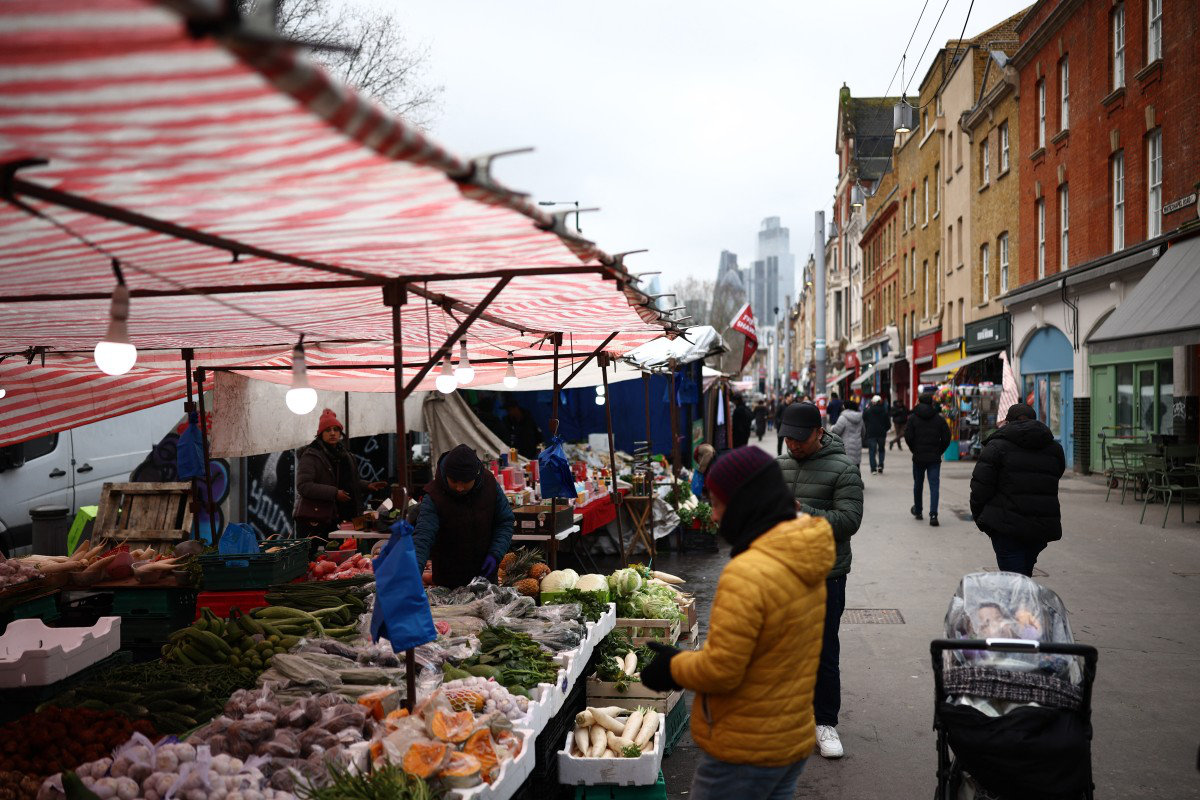
Imported fresh fruit and vegetables are most vulnerable to hiccups in the system, and the humble tomato offers an example of exactly how finely tuned modern import systems are.
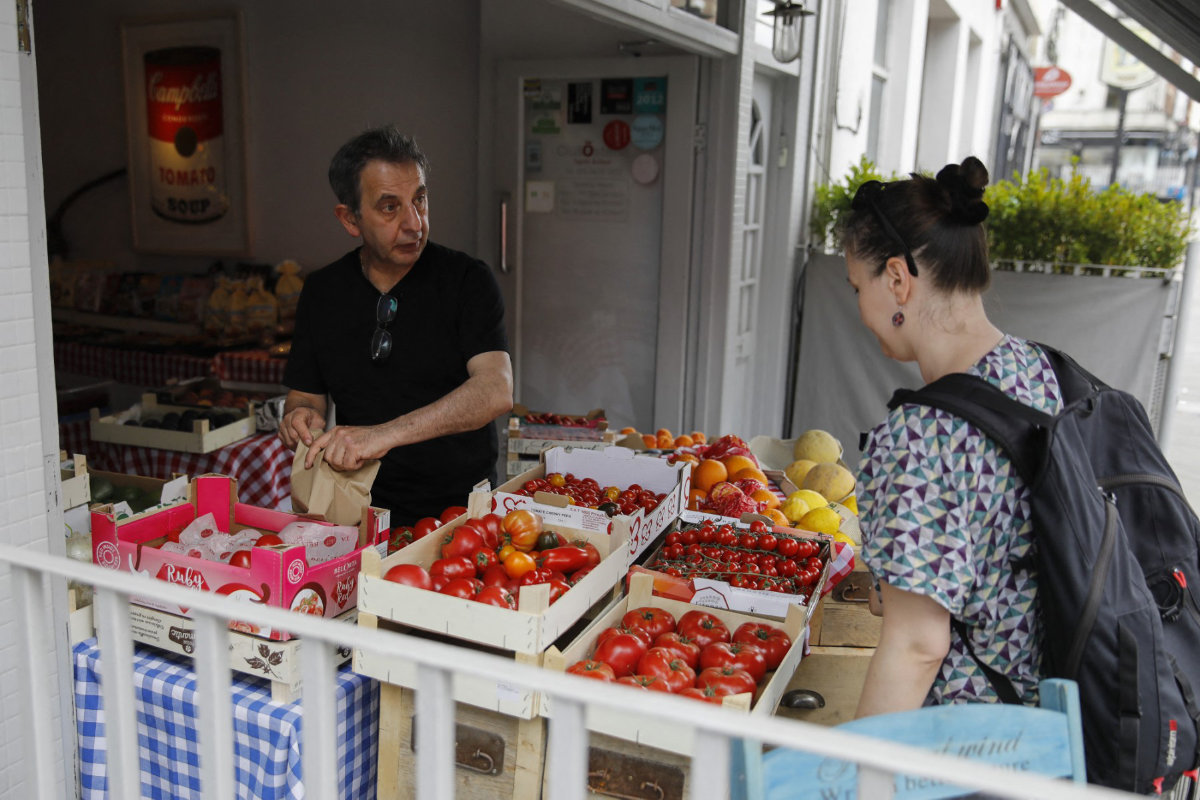
Some of the tomatoes found in British supermarkets are grown in the UK, but many come from countries such as Morocco, where a tomato bound for the UK “is commonly harvested, graded, and packed within 24 hours before being transported for two to three days by a refrigerated truck,” said Garza-Reyes.
“The tomato then goes through quality checks and customs, which will normally take between one and two days. It will then go to supermarket distribution centers and then on to stores, taking between one and two more days.
“Overall, the journey will normally take between five and seven days from harvest to shelf.”
But a hold-up at any point along the line can be disastrous for growers and importers and costly for consumers.
If tensions in the Strait of Hormuz continue, said Garza-Reyes, “its impact in the UK will be felt in phases. As has already occurred, within days, fuel prices will rapidly increase due to constrained oil flows.
“After a few weeks, domino effects could hit the production of fertilizer, which is gas-linked, food supply chains, and even the availability of CO2. This will affect packaging and food preservation.
“Other, less obvious, shortages could include chemicals and plastics, as they are linked to petrochemicals.
“Shortage duration will depend on the length of the disruption. Short crises cause price shocks, but prolonged standoffs may lead to broader shortages and rationing pressures.”
The Iran war, he added, is focusing minds, all along the supply chain and in governments around the world.
“Modern logistics activities are not fragile by accident,” he said. “They are optimized for efficiency under stable conditions, with resilience embedded where it is affordable.
“The real challenge is that global situations that affect supply chains, such as climate events, pandemics, or geopolitical tensions, are becoming more frequent.
“This is forcing businesses and governments to rethink how much risk and disruption they are willing, or able, to absorb to reduce costs and gain competitiveness.”