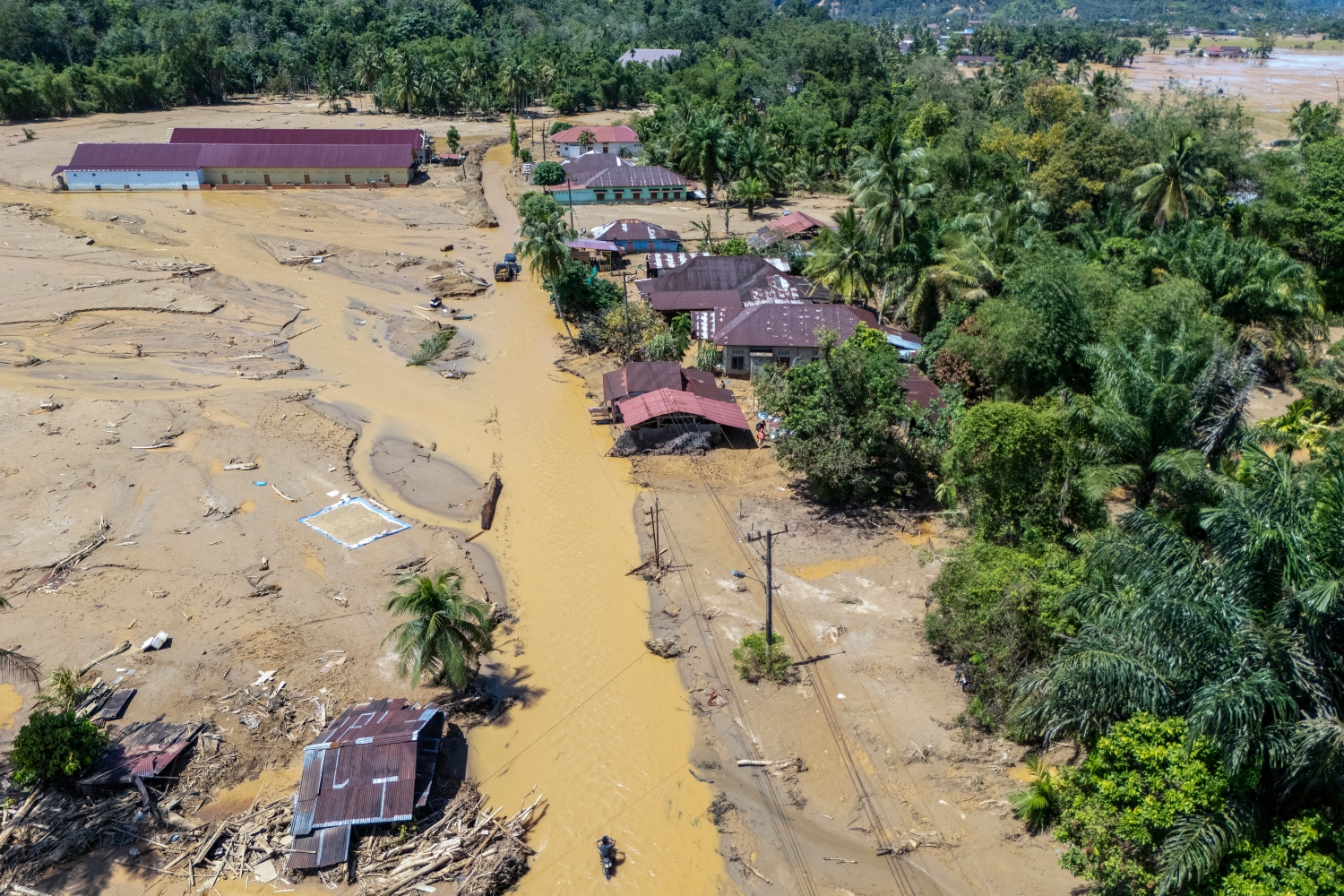

One important issue that the year 2025 has highlighted for the world is the immediacy and intensity of the climate crisis. Across continents, many communities and ecosystems have confronted a series of extreme weather events this year. These events have demonstrated our vulnerabilities in terms of infrastructure, governance and preparedness.
The unprecedented heat waves and catastrophic floods, droughts and storms have illustrated the consequences of global warming, which are not only accelerating but have also become increasingly unpredictable. As a result, we must learn to adequately address the human, environmental and economic costs. This requires both scientific assessments and practical methods.
One of the most pervasive climate issues of 2025 was the record-setting heat waves. These were distinguished not only by their intensity but also by their scope, as they affected millions of people in regions previously considered less vulnerable to extreme temperatures.
For example, India and Pakistan experienced an early and severe heat wave, with temperatures exceeding 48 degrees Celsius in multiple urban centers. The consequences included: local infrastructure being overwhelmed, power grids strained, water supplies disrupted and health emergencies, resulting in hundreds of heat-related deaths.
Climate change is reshaping human societies and natural ecosystems in significant and profound ways
Dr. Majid Rafizadeh
In addition to South Asia, Europe and parts of North America also recorded unprecedented early-season heat. This highlights the fact that extreme heat waves are not restricted to certain regions and points to the shifting patterns of extreme temperatures. These heat waves also point to the fact that rising global temperatures are altering the fundamental dynamics of weather. What are the implications? Heat waves are no longer limited and isolated anomalies but a persistent and escalating threat to human health, as well as agriculture and energy systems.
Another alarming issue in 2025 was the devastating floods and water-related crises that affected multiple continents. For instance, in Southern Africa in June, torrential rain led to rivers overflowing their banks, resulting in large-scale displacement, the destruction of infrastructure and significant loss of life. Many communities, whether in cities or rural areas, found themselves ill-prepared for the scale and intensity of the flooding, which reached depths of three to four meters in the hardest-hit areas. Parts of the US also faced flash floods of extraordinary magnitude, submerging roads, damaging homes and disrupting essential services.
Meanwhile, drought conditions intensified in countries such as Turkiye, where rainfall deficits increased. As a result, reservoirs fell to critically low levels, threatening water supplies and agricultural productivity.
Such events demonstrate the dual nature of water-related climate risks, with floods and droughts being interconnected phenomena. Both are amplified by human-induced climate change and both require proactive measures and management.
This year was also marked by extraordinary storms. For example, hurricanes and cyclones reached unprecedented intensities, causing widespread destruction in the Caribbean, the Americas and Southeast Asia. While they took an immediate human and economic toll, these storms also inflicted long-term damage on ecosystems and displaced populations.
Looking ahead, it is important that global, regional and local actors work together and take decisive action
Dr. Majid Rafizadeh
In addition to heat waves, floods and storms, 2025 also witnessed a significant rise in wildfires across multiple continents, particularly Europe, which experienced some of its most severe fire seasons on record. Southern European countries, including Spain, Portugal, Italy and Greece, were particularly affected.
There are several key lessons to learn from the climate events of 2025. Firstly, climate change is already reshaping human societies and natural ecosystems in significant and profound ways. This year’s widespread and severe heat waves, floods and storms illustrate that the planet has entered a new climate phase. In this phase, extreme events appear to be more frequent, more intense and more expansive than previously documented.
Secondly, the damage seems to be unevenly distributed. Marginalized communities and those in low-income countries are bearing the heaviest burden of climate disasters. They are suffering disproportionate human and economic consequences, mostly due to inadequate infrastructure and limited resources.
The third lesson is that adaptation is both urgent and critical. The damage caused in 2025 shows us that societies cannot rely solely on emissions reductions; we need more investment in resilient infrastructure and sustainable land and water management, while we must also have better and more efficient community preparedness. Finally, we need global cooperation as climate-related disasters do not respect borders. As a result, international coordination, resource sharing and support for vulnerable nations are essential.
Looking ahead to 2026, it is important that global, regional and local actors work together and take decisive action. This should include investment in climate adaptation projects, particularly for the countries and regions most vulnerable to extreme events. At the same time, efforts to reduce greenhouse gas emissions must continue. Advancements in addressing climate change through data analytics should be integrated into public policy as well. And we should strengthen the mechanisms of international climate governance in order to ensure accountability and transparency.
In a nutshell, the extreme climate events of 2025 point to the critical challenges facing the international community. The intensity, scale and distribution of these events highlight the importance of a multifaceted, comprehensive, coordinated and urgent response to climate change in order to protect human life and secure ecosystems.
- Dr. Majid Rafizadeh is a Harvard-educated Iranian American political scientist. X: @Dr_Rafizadeh