

On Tuesday, the Sudanese government paved the way for the proposed national dialogue to take place by dismissing the criminal charges it had filed against those wishing to return to Sudan to take part. Resumption of the dialogue has been a key item in both internal and international discussions about Sudan. After three years of brutal conflict and the failure of many attempts to end it, this initiative represents the only hope to restore peace and security in a country suffering one of the worst humanitarian catastrophes in the world.
On Aug. 30, the African Union welcomed the initiative to “facilitate a Sudanese-Sudanese dialogue within Sudan, under the supervision of an independent committee of Sudanese elders.” However, some opposition groups have been skeptical.
The military coup that removed Omar Bashir from power in 2019 was followed by a period of robust national dialogue, in which civil society, including previously marginalized and opposition groups, participated together with representatives from the UN, African Union and others to discuss the transition to civilian rule. The Juba Agreement of 2020 also helped in integrating armed rebel groups into the mainstream.
However, the subsequent coup of October 2021 put strains on that dialogue, which stopped altogether with the breakout of the rebellion led by the Rapid Support Forces in April 2023, as the Sudanese armed forces decided to focus on defeating the militia first. Since then, there have been repeated calls for a return to that intra-Sudanese dialogue.
The dialogue initiative now has an opportunity to broaden its participation by including opposition figures living abroad
Dr. Abdel Aziz Aluwaisheg
Earlier this year, the Sudan Dialogue Preparatory Committee, an informal group headed by Prof. Gasim Badri was formed of 19 civil society and community figures, about half of them living outside Sudan, to prepare for national dialogue.
On Aug. 14, Gen. Abdel Fattah Al-Burhan announced his support for this effort, approving a new framework for talks proposed by this independent mechanism and pledging that the military government would provide political, legal and security guarantees to all participants. On Aug. 30, the committee launched its activities by initiating consultations with local political parties and civil society groups to build domestic trust before launching a more formal intra-Sudanese national dialogue. The group had asked the government for guarantees of immunity for participants in the dialogue, including those who had outstanding political charges against them that may prevent them from returning to Sudan to take part in the proposed dialogue.
This week, in response to the preparatory committee’s request, Sudanese Justice Minister Abdalla Darf announced that a new law had been passed to drop politically related charges filed against Sudanese citizens living abroad. Those who return will also get protection from prosecution from the time they enter Sudan until a sufficient period after the consultations has ended, over any statements, views or positions expressed during the dialogue sessions. He said that logistical support would also be provided to the dialogue.
Darb also said that the government was determined to preserve the independence of the dialogue. The decision was also meant to give the dialogue initiative an opportunity to broaden its participation by including opposition figures living abroad.
The war has made matters much worse and has led to one of the most catastrophic humanitarian crises in the world
Dr. Abdel Aziz Aluwaisheg
The African Union expressed strong support for the proposed dialogue to “bridge the divides among Sudanese stakeholders and foster an environment conducive to ending the armed conflict — thereby ensuring peace and stability in Sudan — by embedding a culture of dialogue to build a shared national vision.” It also called for “upholding unity and national institutions, and for working to consolidate the democratic state.”
To ensure the success of this ambitious political process, the African Union recommended that “consultations encompass all Sudanese civil, political and societal stakeholders, based on the principles of inclusivity and genuine Sudanese ownership and leadership.”
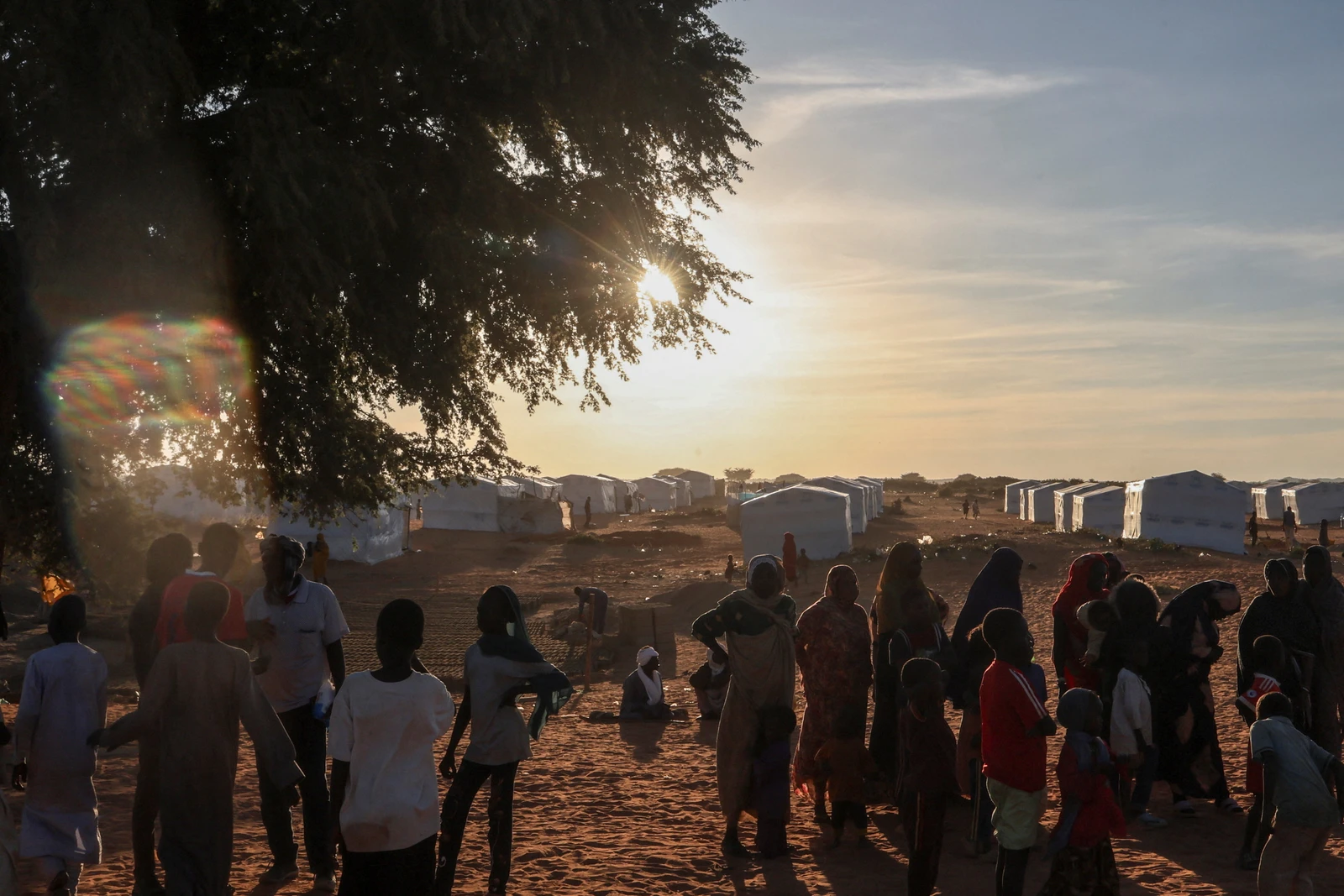
It should be clear that the ongoing three-year war has failed to settle the dispute over power in Sudan. It has made matters much worse and has led to one of the most catastrophic humanitarian crises in the world. During this conflict, civilians have faced extreme brutality, including mass killings and widespread reports of sexual violence and torture. It is estimated that up to 400,000 people have lost their lives during the conflict.
According to the UN, more than 33 million people in Sudan now require urgent humanitarian assistance, including about 14 million forcibly displaced, the largest and fastest-growing displacement emergency globally, and 4.5 million refugees outside the country. About 20 million people face food insecurity and starvation, with famine conditions confirmed in parts of the country, including hundreds of thousands of children suffering from severe acute malnutrition.
The country’s medical infrastructure has largely collapsed. Camps and the remaining clinics are severely overcrowded, struggling with critical shortages of basic medicines, malaria treatments and vaccines. Attacks on aid supplies and delivery convoys have worsened the situation.
This nightmare must end for the sake of Sudan and for regional stability, which has been shaken by this senseless war as more external actors get involved. The proposed dialogue presents a ray of hope.
The African Union has expressed the view shared by the Sudanese people and Sudan’s many regional and international friends that the ultimate goal of the proposed national dialogue process should be a “united, sovereign and peaceful Sudan governed by legitimate civilian institutions, with one national security architecture and effective mechanisms for resolving political and social differences peacefully.”
Dr. Abdel Aziz Aluwaisheg is the GCC assistant secretary-general for political affairs and negotiation. The views expressed here are personal and do not necessarily represent those of the GCC.
X: @abuhamad1


