RIYADH: The Federation of Saudi Chambers has identified more than 130 challenges across vital sectors through the recently launched “Logistics Services Challenges Observatory.”
These challenges were analyzed, with 27 shared with relevant authorities, 22 of which have been resolved, while work continues to address the remaining ones.
Federation President Abdullah Saleh Kamel explained that the coordinated efforts between the public and private sectors have preserved trade fluidity, as the logistics sector demonstrated high resilience.
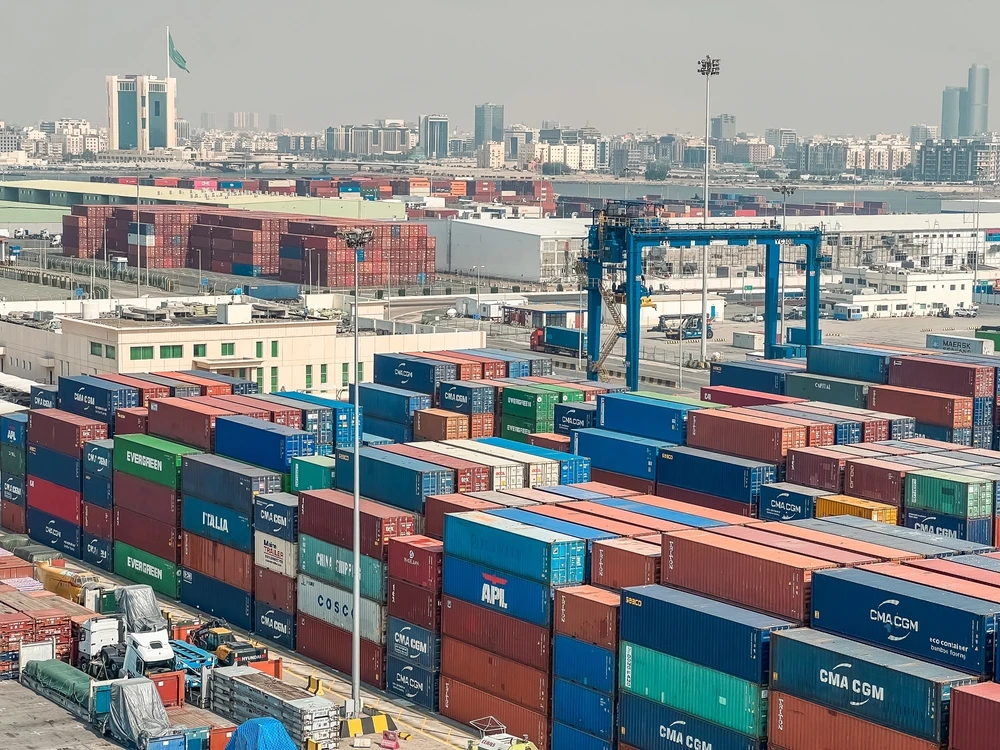
Government initiatives further supported performance through alternative logistics routes, providing 13 shipping services with a capacity exceeding 97,000 containers, storage exemptions of up to 60 days, the implementation of pre-clearance customs procedures, a reduction in release times to less than 24 hours, and the expansion of digital solutions.
He affirmed that the private sector continues to perform efficiently in addressing challenges, relying on advanced logistics infrastructure and flexible procedures that have enhanced the continuity of goods flow and market stability.
National logistics companies have proven their high readiness and adopted operational solutions, including diversifying shipping routes, utilizing alternative corridors, and improving planning and operational efficiency, contributing to the stability of supply chains.
The top official also highlighted the capabilities of the logistics ecosystem, which includes more than 10 ports and a multi-modal transport network, with targets exceeding 20 million containers annually by 2030 and the establishment of 59 logistics zones.
Kamel noted the Federation’s role in organizing workshops with the transport and logistics services ecosystem, coordinating with government entities, promoting logistics initiatives to international investors, and the Logistics National Committee’s contribution to conveying the sector’s perspectives.