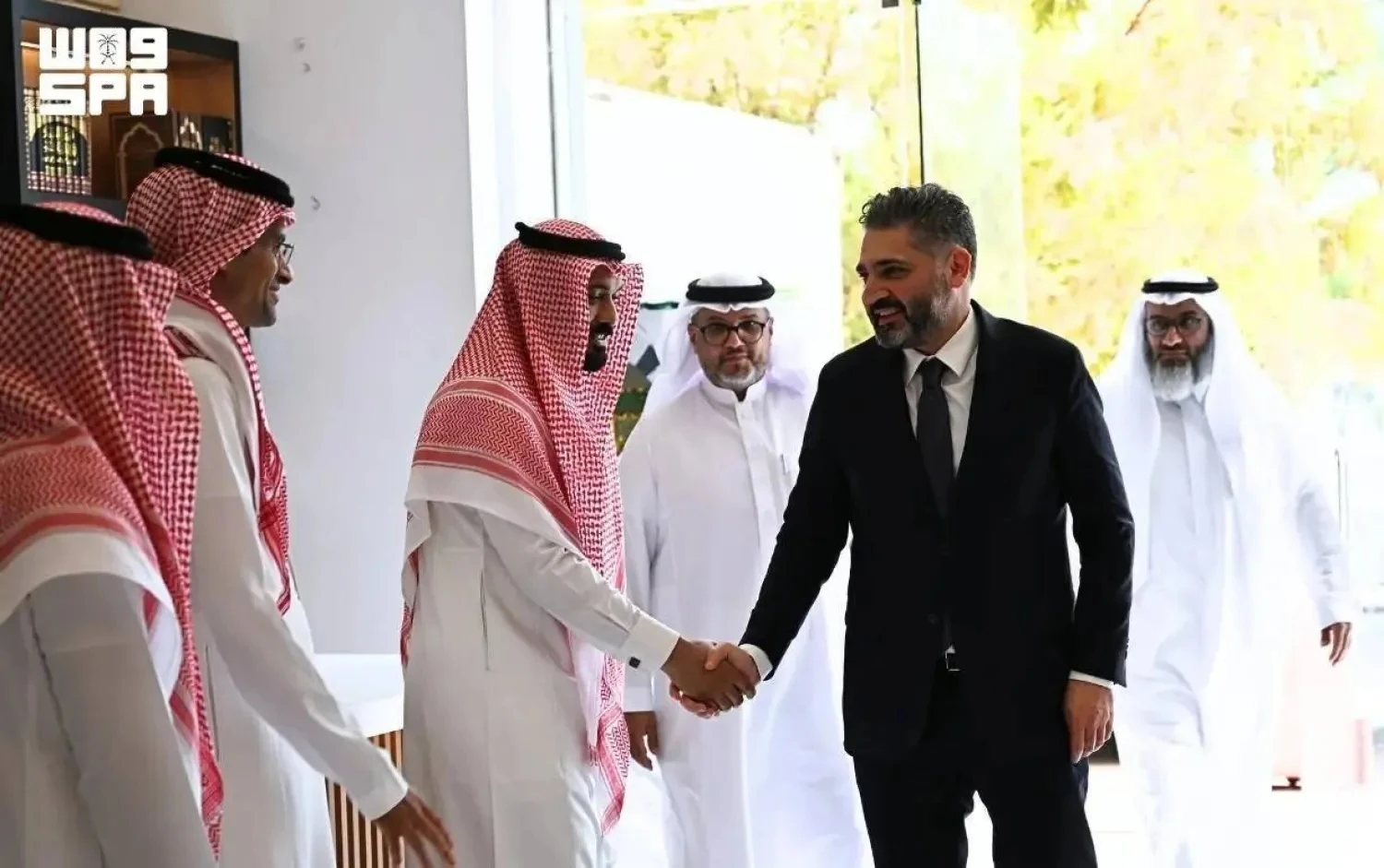
RIYADH: The newly opened Black Gold Museum in Riyadh showcases artistic interpretations of oil’s impact on human life and development. Located in a landmark contemporary building designed by Zaha Hadid, the museum features more than 350 works from Saudi and international artists from around 30 countries, including paintings, sculptures, photographs, videos, and archival pieces.
Director Jack Persekian told Arab News that the Black Gold Museum was created to offer a broader understanding of oil’s role in shaping human history.
“The vision of the museum is to present the story of oil through the eyes of artists — the story that has basically transformed humanity’s way of life on Earth,” he said.
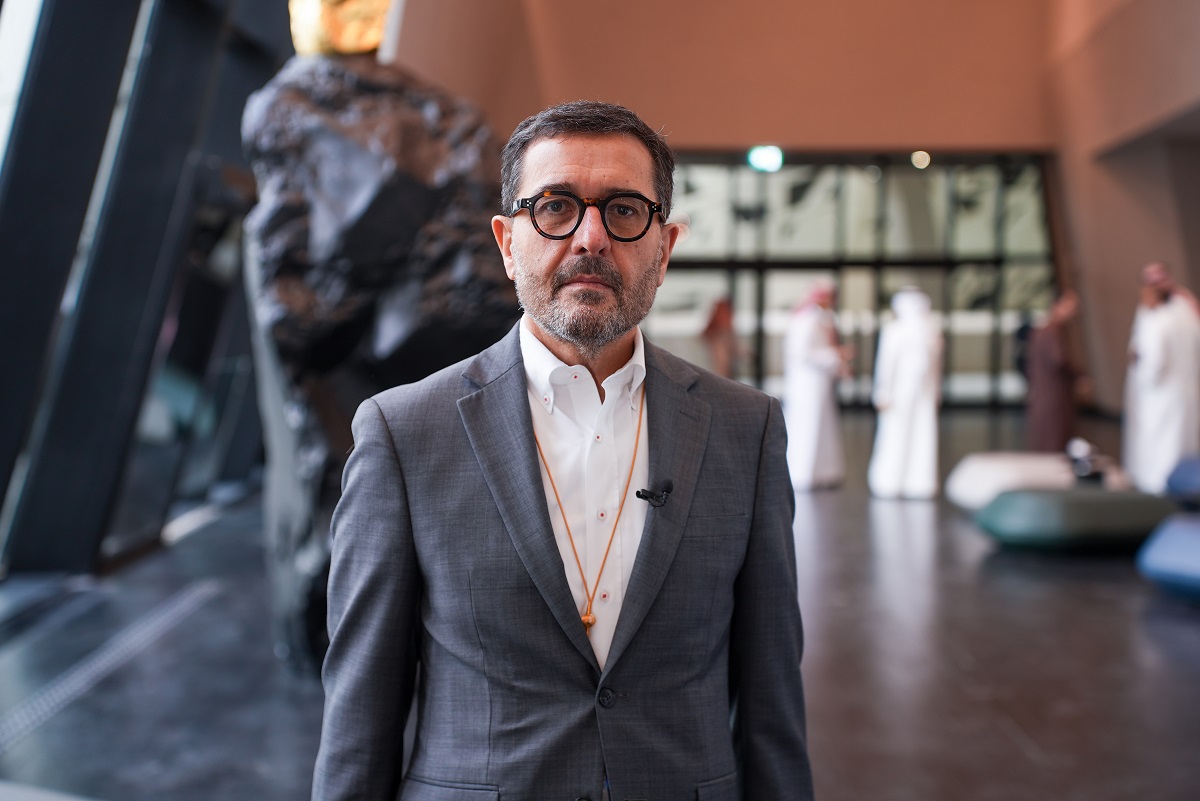
He added that the museum focuses on “the relationship between oil and humanity,” noting that the fossil fuel changed the course of civilization.
“The biggest change happened in the middle of the 19th century, through the industrialization of this substance and using it in machines to produce all kinds of byproducts, and to really accelerate the speed of development,” he said. “But it’s a resource that is scarce and there is a certain finite quantity found in the Earth, so we have to be super-careful with how we use it and what we use it for. And we opted to see this whole relationship through the eyes of artists, in order to give a humanized interpretation of this relationship.”
The exhibition places petroleum within a broader context, presenting it as more than an energy source and emphasizing its role throughout our daily lives — in food, clothing, transportation, housing, the medical sector, and more.
“We wanted people to realize how important this material is, how it affects every aspect of our life, and that it is part of what actually allows us to be who we are. And that it is actually an important component of our future development,” he said.
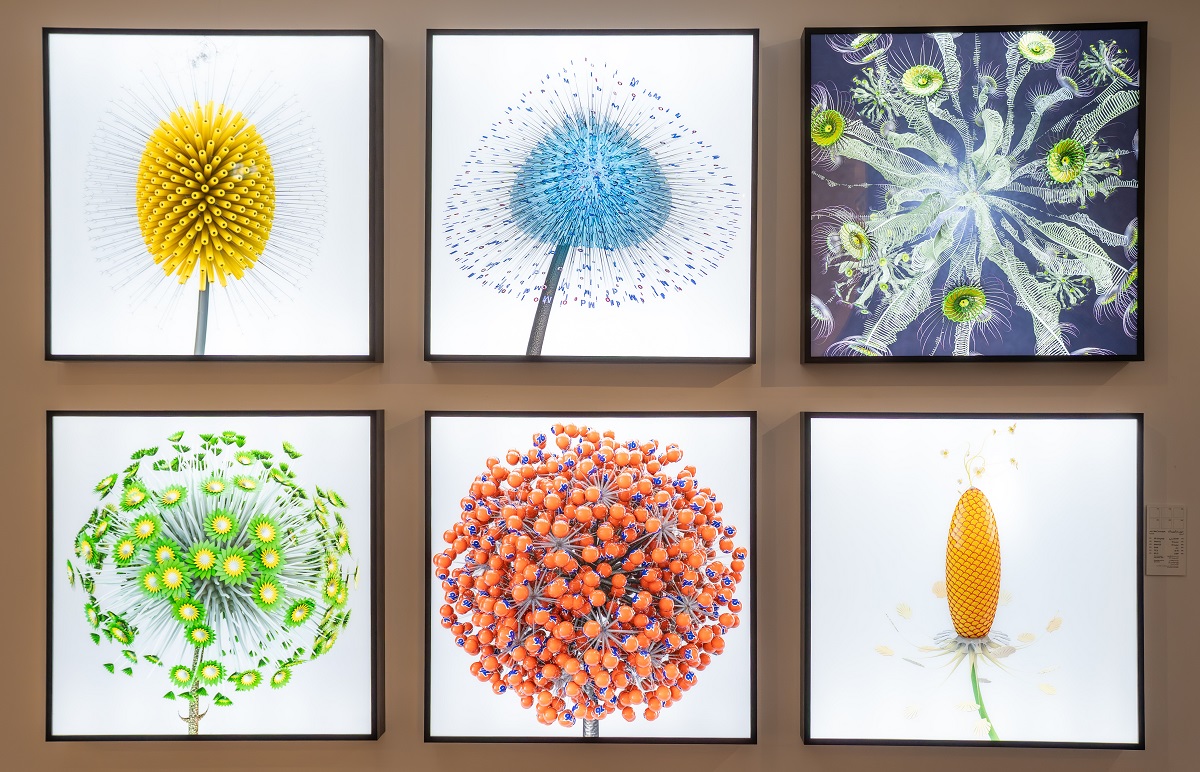
Saudi Arabia’s own oil heritage is the focus of Encounters, the museum’s first “chapter,” tracing oil’s discovery in the Kingdom, including landmarks such as Dammam Well No. 7.
The final chapter, Visions, meanwhile, presents artists’ ideas about the future of oil and possible substitutes, while also emphasizing the need for careful use of a finite resource.
The museum is expected to become an important tourism destination in the Kingdom. Persekian described it as a “unique attraction,” saying: “There is nothing like it. There is nowhere in the world where the story of oil is told through the eyes and perspectives of artists.”
Saudi artist Ahmed Mater told Arab News that his works on display at the museum — including his well-known 2010 piece “Evolution of Man,” which is described on his website as a “warning against an over-reliance on the petrodollar” — “explore the idea of oil as a source of energy, and oil as a symbol of the 20th-century economy before and after. My work always emphasizes that we should not forget that oil is, at its core, an organic material, a natural substance from the earth.”
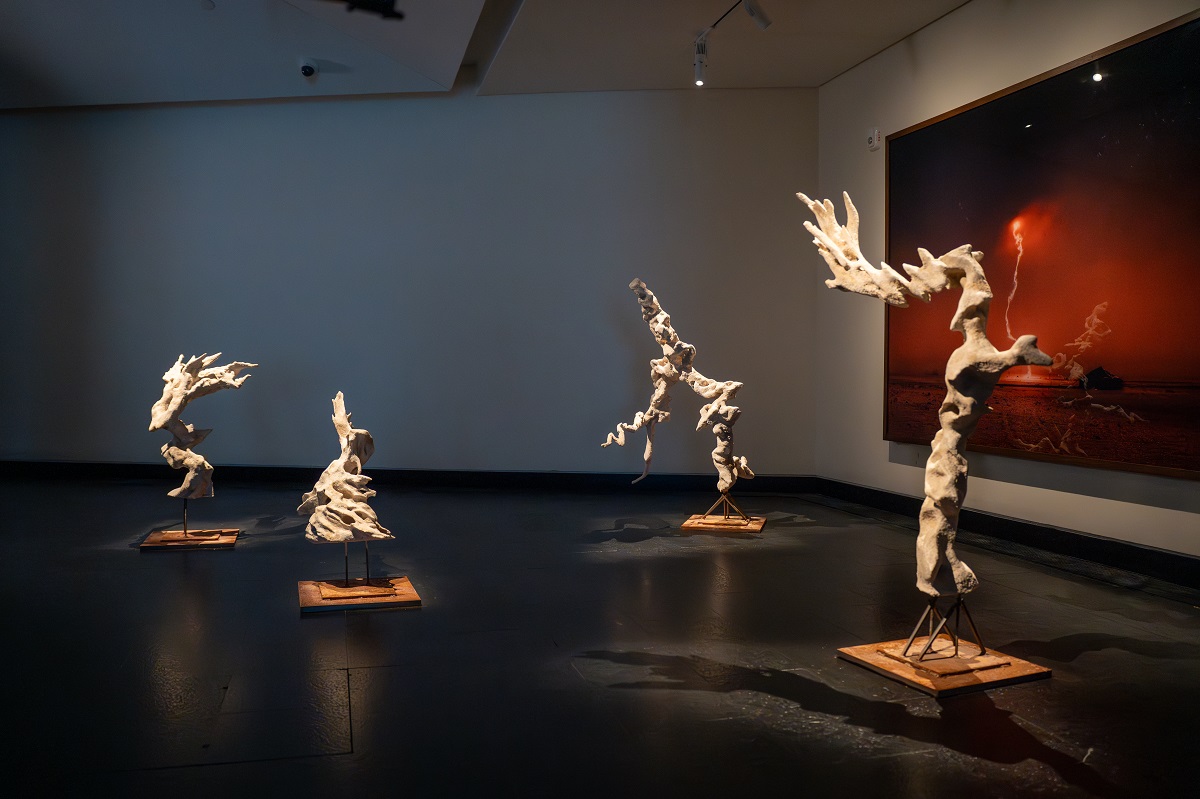
Because it is so interwoven with geopolitics, society, and economics, oil remains a difficult yet compelling subject for artists, he noted — one that offers wide scope for interpretation.
“Given the era we live in, oil is still considered the world’s primary energy source, and one of the most reliable globally,” he said. “Anyone who visits (the museum) should leave with multiple interpretations and open discussions, about the history of oil, how it changed our lives, and how global economic structures evolved. It celebrates oil as the most important energy source of the 20th century and the near future, while also engaging with the idea of alternative energy and how oil itself is now being invested into the future.
“It also reflects how oil has contributed significantly to economic stability and development, which is remarkable,” he continued. “But at the same time, it raises the question: How can we invest in sustainability using this resource?”