- New PM-designate faces pressure to rein in militias as US strikes and Iranian influence pull Iraq deeper into conflict
- From Gulf drone attacks to Kurdish flashpoints, instability tests Baghdad’s ability to stay out of regional war
DUBAI/LONDON: As the US-Iran war grinds on despite the ceasefire, Iraq is at risk of being pulled back into a role it has spent years trying to escape — as a battleground for regional conflict, driven by its inability to defang Iran-backed militias.
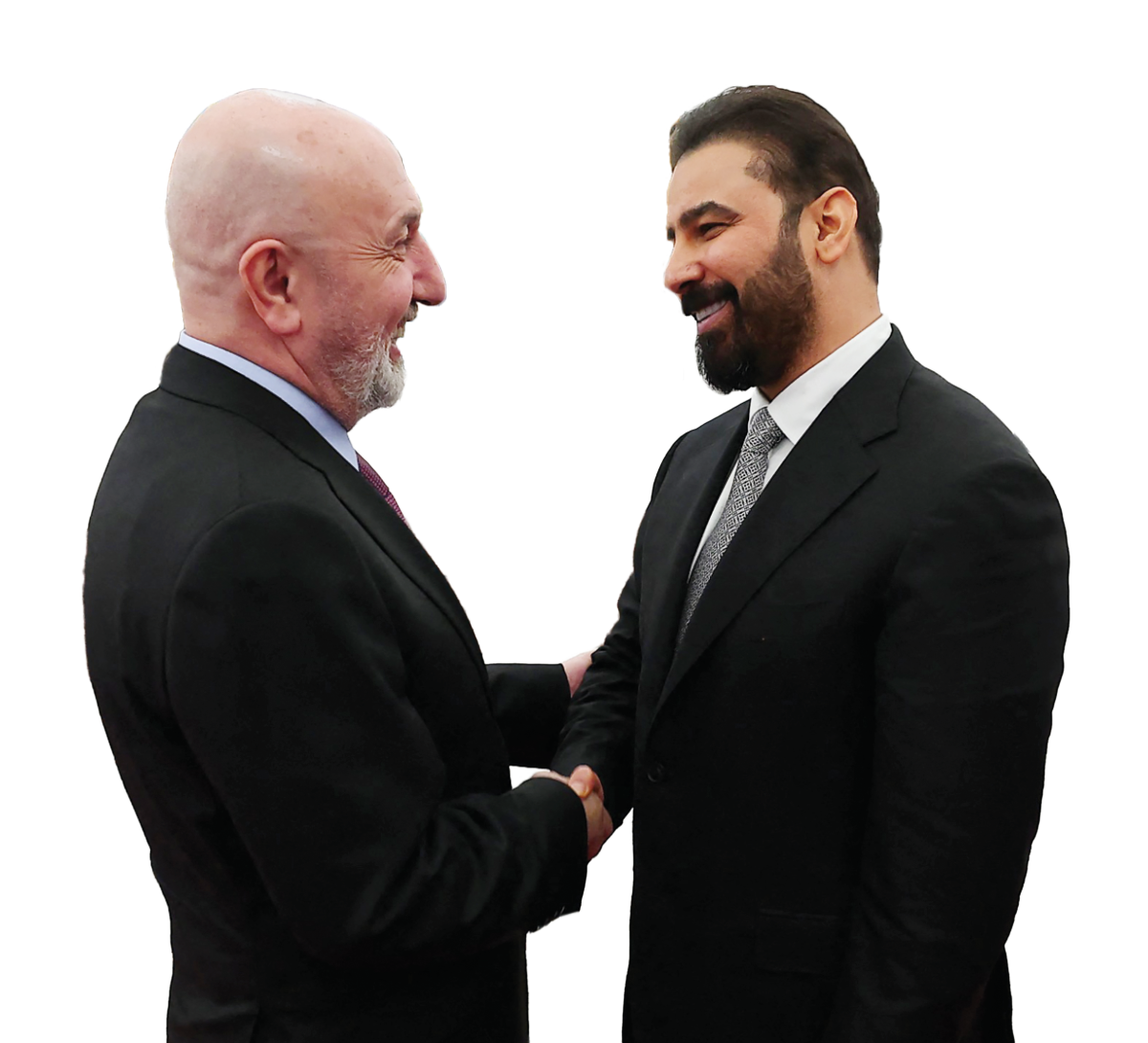
That risk now coincides with a pivotal political shift. Iraq’s newly elected president has nominated businessman Ali Al-Zaidi as prime minister-designate, asking him to form a government after weeks of deadlock.
The appointment followed intense pressure from Washington, which opposed the return of former premier Nouri Al-Maliki, a figure closely aligned with Iran. Shiite parties ultimately coalesced around Zaidi — a little-known compromise candidate — in a bid to avoid punitive US measures and preserve external support.
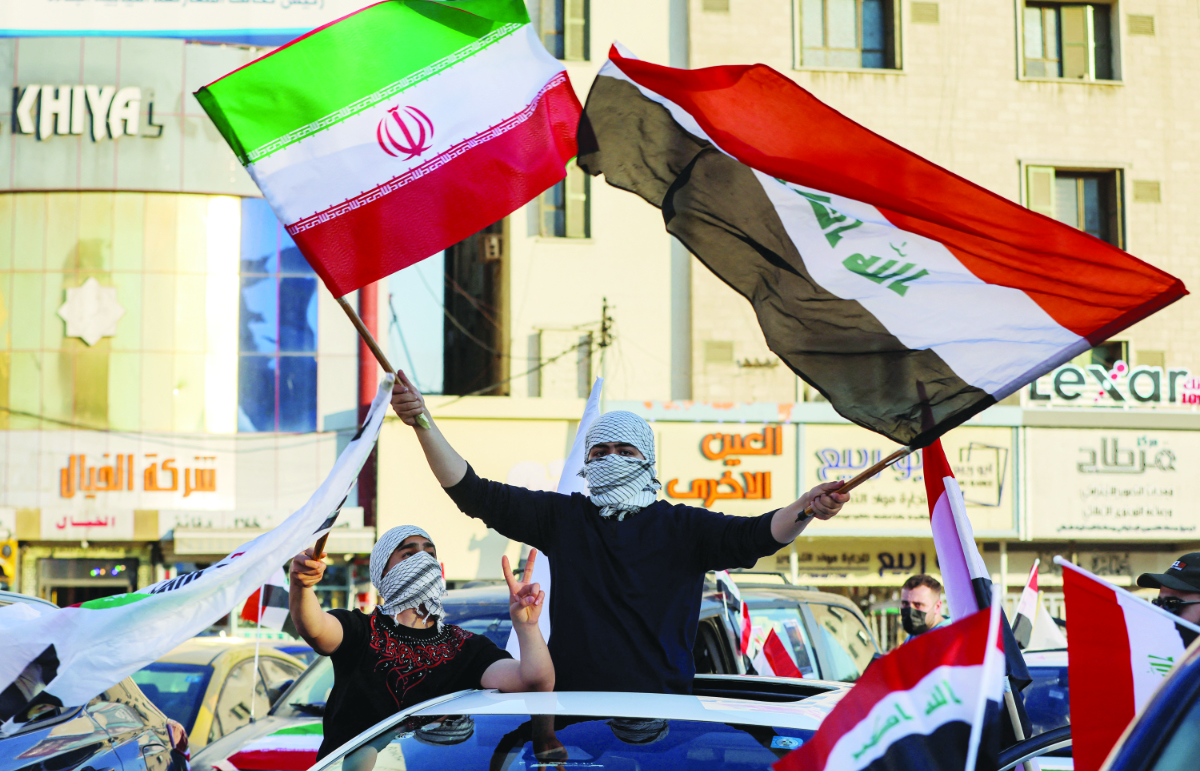
His nomination underscores the tightrope Iraq continues to walk between Washington and Tehran — and the growing difficulty of maintaining that balance.
Iraq’s geography and post-2003 political order, combined with Iran’s projection of influence and a web of sectarian and ideological divisions, have placed the country squarely in the line of fire.
Analysts say that regional spillover could further disrupt social stability, damage the economy, and destabilize internal politics. The question remains: Does Iraq have any realistic capacity to stay out of a widening war?
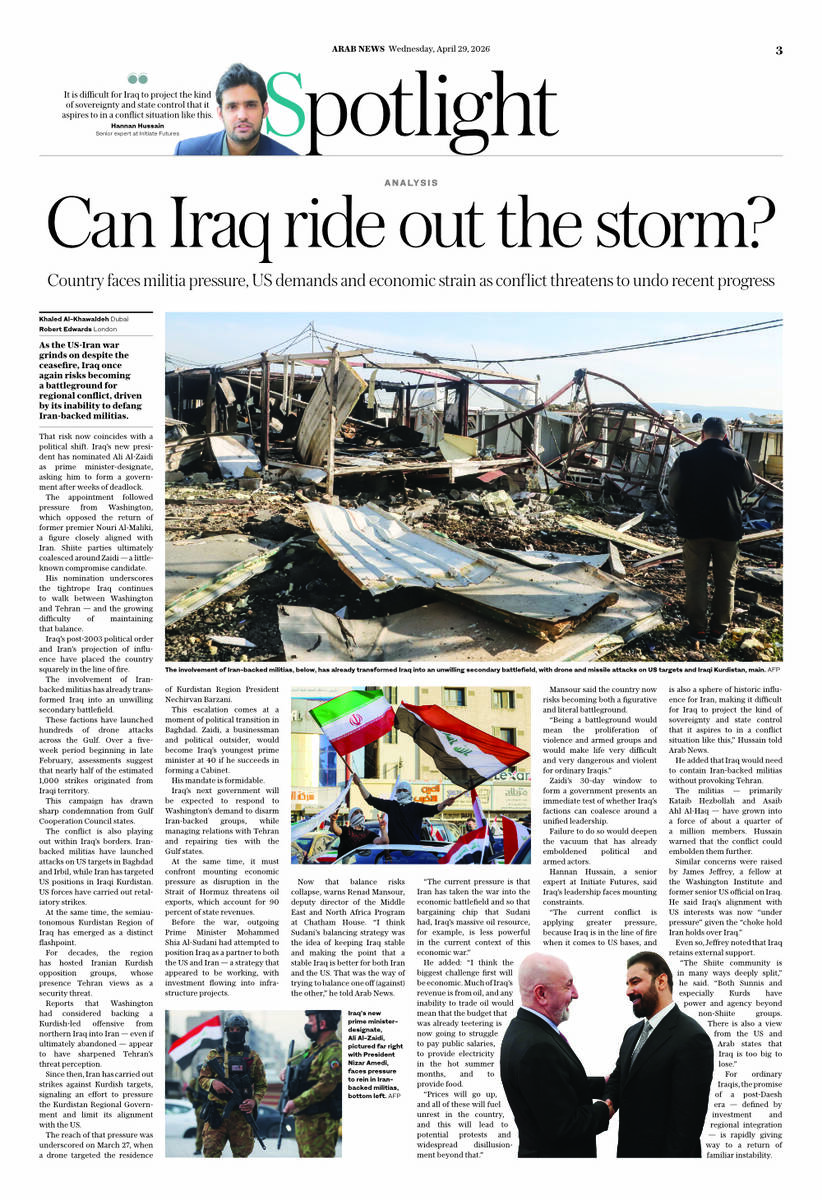
The involvement of Iran-backed Iraqi militias has already transformed Iraq into an unwilling yet critical secondary battlefield. These factions have launched hundreds of drone attacks across the Gulf, targeting sensitive infrastructure.
Over a five-week period beginning in late February, assessments suggest that nearly half of the estimated 1,000 drone strikes recorded in the Gulf originated from Iraqi territory.
This campaign, largely conducted by factions operating under the “Islamic Resistance in Iraq,” has drawn sharp condemnation from Gulf Cooperation Council states.
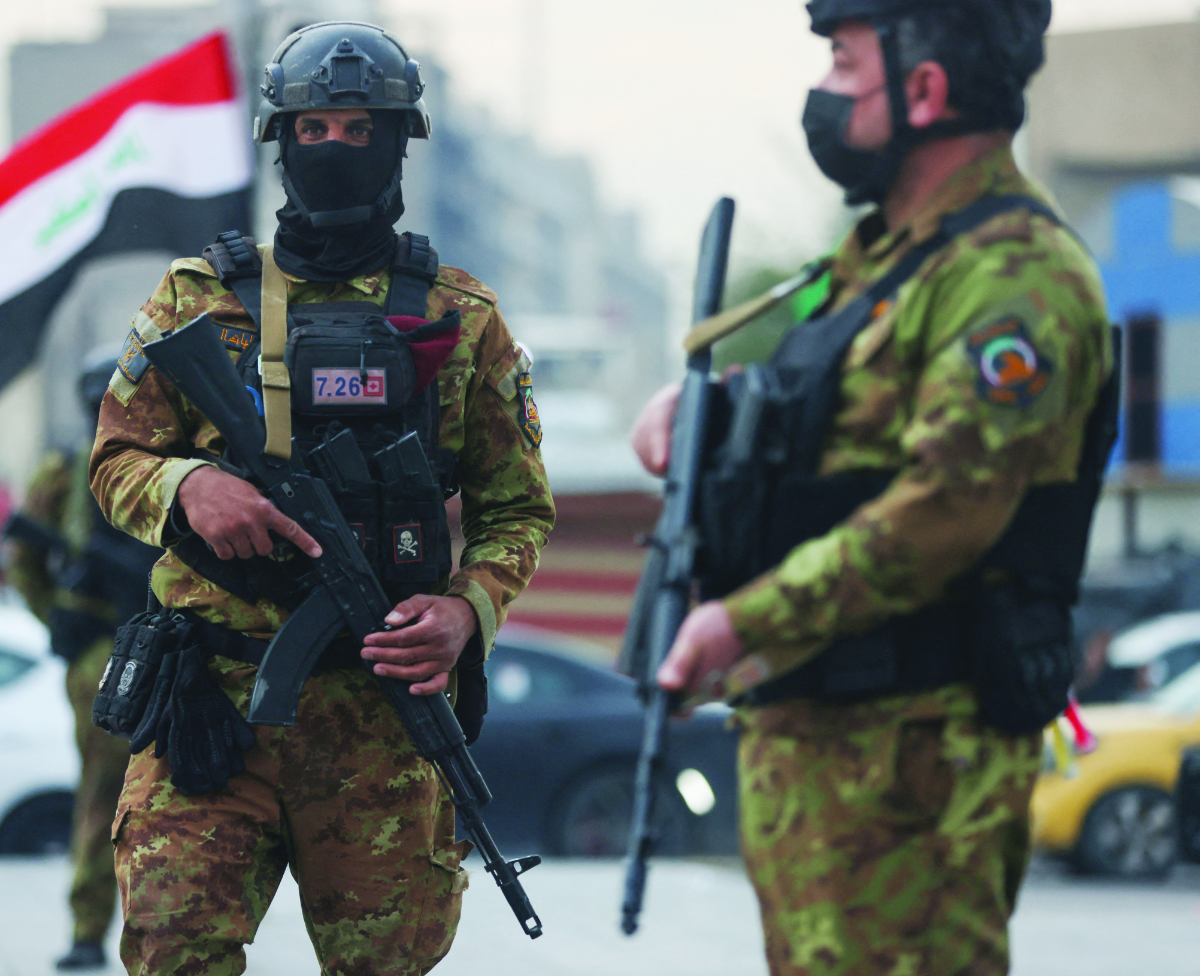
They have warned Baghdad that failure to rein in these groups risks diplomatic isolation and could invite direct retaliation against militia assets on Iraqi soil.
The conflict is also playing out within Iraq’s borders. Iran-backed militias have launched drone and missile attacks on US diplomatic and military facilities in Baghdad and Irbil, while Iran’s Islamic Revolutionary Guard Corps has directly targeted US positions in Iraqi Kurdistan.
In response, US forces have carried out retaliatory airstrikes on militia bases, weapons facilities, and command positions linked to groups such as Kataib Hezbollah and other factions within the Popular Mobilization Forces.

While the Pentagon has framed the operations as “precision strikes” aimed at degrading militia capabilities, they have drawn condemnation from Baghdad, which views them as violations of sovereignty.
At the same time, the semiautonomous Kurdistan Region of Iraq has emerged as a distinct flashpoint, symbolizing the country’s vulnerability.
For decades, the region has hosted Iranian Kurdish opposition groups, whose presence Tehran views as a persistent security threat.
It is difficult for Iraq to project the kind of sovereignty and state control that it aspires to in a conflict situation like this.
Hannan Hussain, Senior expert at Initiate Futures
In the lead-up to the current conflict, reports that Washington had considered backing a Kurdish-led offensive from northern Iraq into Iran — even if ultimately abandoned — appear to have sharpened Tehran’s threat perception.
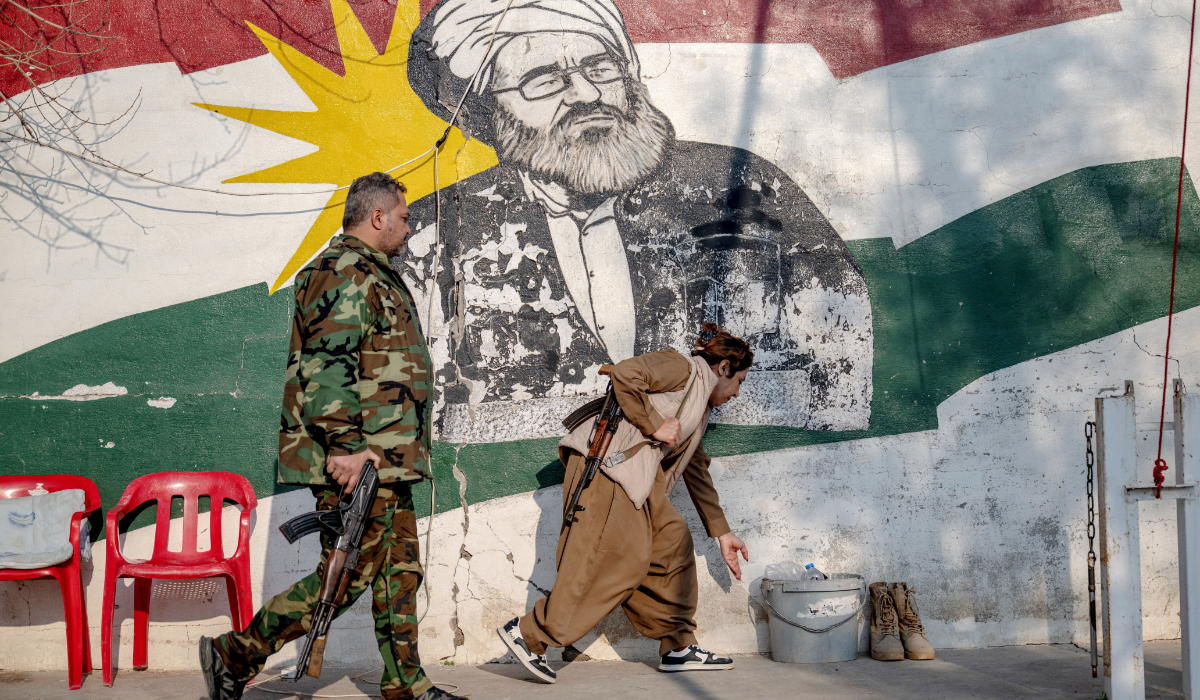
Since then, Iranian forces, under the pretext of targeting “separatist terrorists,” have carried out strikes against Kurdish infrastructure, military sites, and senior officials, signaling a broader effort to pressure the Kurdistan Regional Government and limit its alignment with the US.
The reach of that pressure was underscored on March 27, when a drone targeted the residence of Kurdistan Region President Nechirvan Barzani in Duhok.
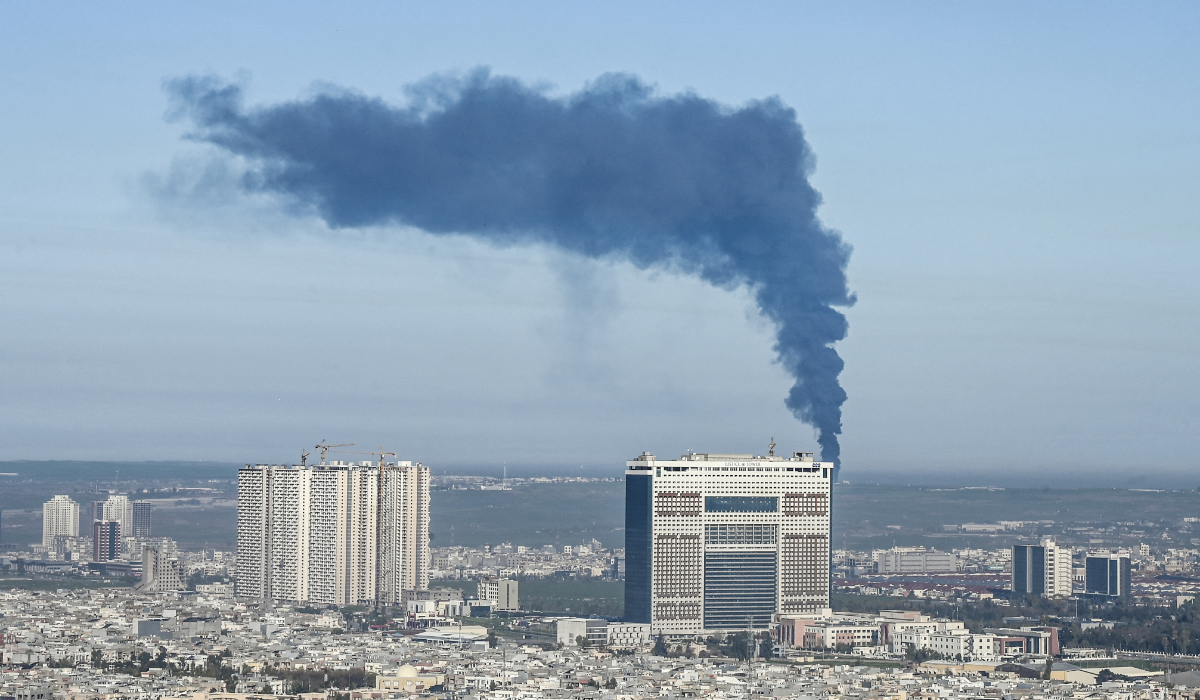
This escalation comes at a moment of political transition in Baghdad. Zaidi, a businessman and political outsider, has never held government office and would become Iraq’s youngest prime minister at 40 if he succeeds in forming a cabinet.
His mandate is formidable.
Iraq’s next government will be expected to respond to Washington’s longstanding demand to disarm Iran-backed groups, while also managing relations with Tehran and repairing ties with Gulf states angered by cross-border attacks.
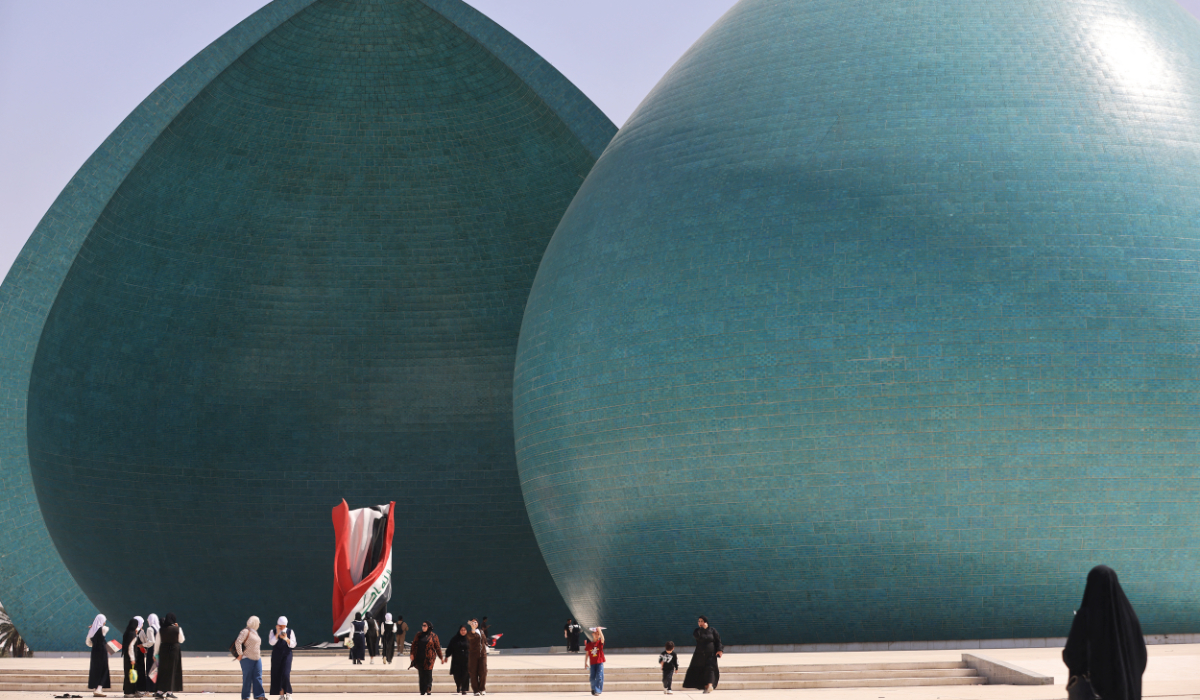
At the same time, it must confront mounting economic pressure as disruption in the Strait of Hormuz threatens oil exports, which account for about 90 percent of state revenues.
Before the war, the government of outgoing Prime Minister Mohammed Shia Al-Sudani had been trying to turn a page, focusing on economic recovery and political stabilization after decades of conflict.
Since the overthrow of Saddam Hussein in 2003 and the territorial defeat of Daesh in 2017, two dominant external influences have shaped Iraq — Iran and the US.
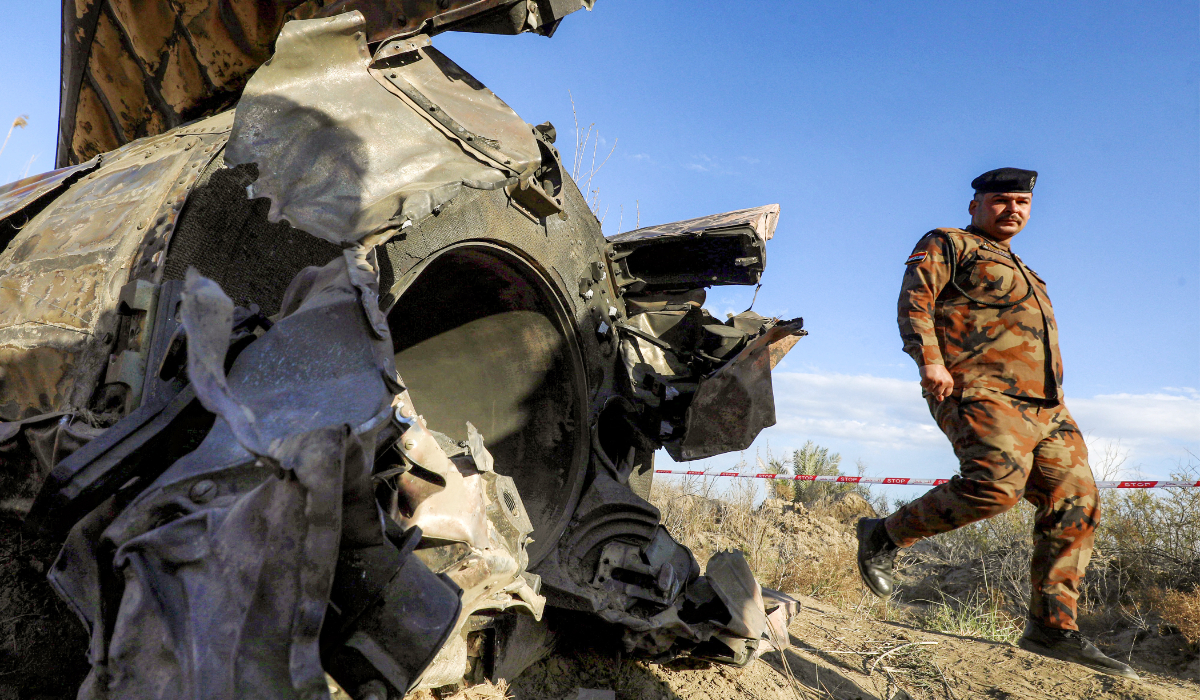
Iran has projected power through its network of militias and proxies, reinforced by its religious influence in the Shiite Muslim world. The US, as a former occupying power, has retained significant leverage over Iraq’s economic and political institutions.
Sudani had attempted to walk a tightrope, positioning Iraq as a partner to both — a strategy that initially appeared to be working, with investment flowing into reconstruction and major infrastructure projects.
Now, with Washington and Tehran locked in confrontation, that delicate balance risks collapse, warned Renad Mansour, deputy director of the Middle East and North Africa Program at Chatham House.
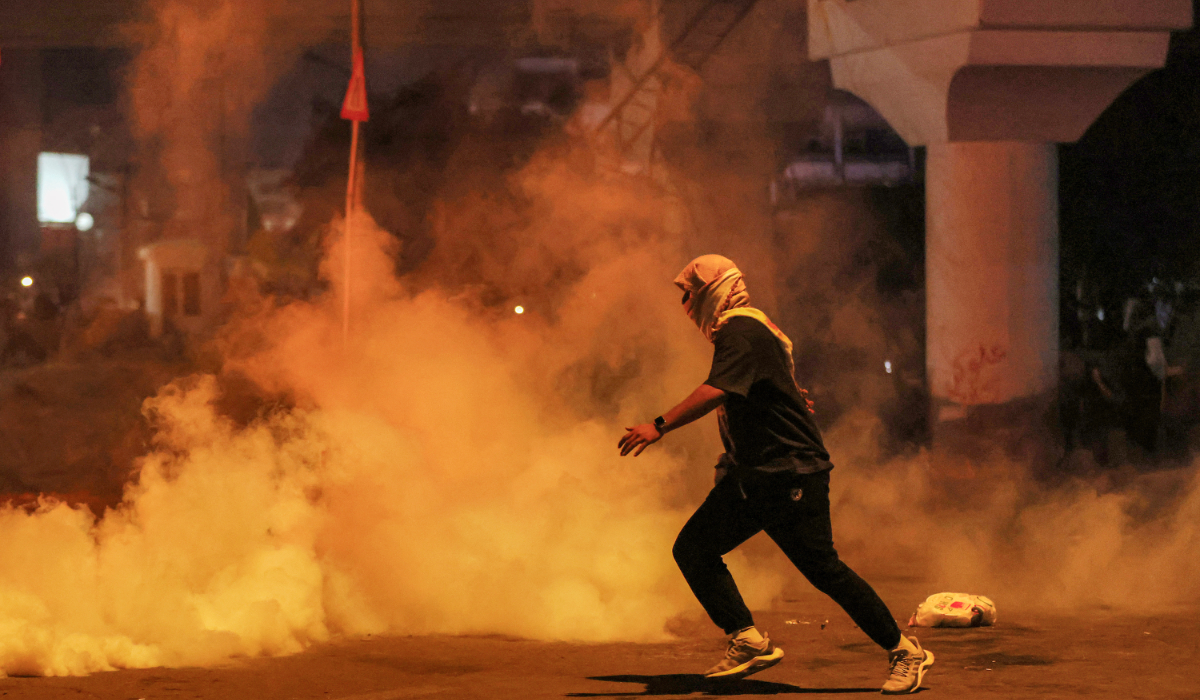
“I think Sudani’s balancing strategy was the idea of keeping Iraq stable and making the point that a stable Iraq is better for both Iran and the US. That was the way of trying to balance one off (against) the other,” Mansour told Arab News.
“The current pressure is that Iran has taken the war into the economic battlefield and so that bargaining chip that Sudani had, Iraq’s massive oil resource, for example, is less powerful in the current context of this economic war.”
In the years leading up to the conflict, Mansour said Sudani had courted the US, securing momentum through multibillion-dollar oil and gas deals.
On Feb. 23, less than a week before the war began, US oil giant Chevron entered exclusive talks over the West Qurna 2 oil field — one of the largest in the world — moving closer to acquiring it from sanctioned Russian company Lukoil.
It was the latest in a series of major energy developments. But Mansour warned that such progress was contingent on stability — a condition now under threat.
“I think the biggest challenge first will be economic,” he said.
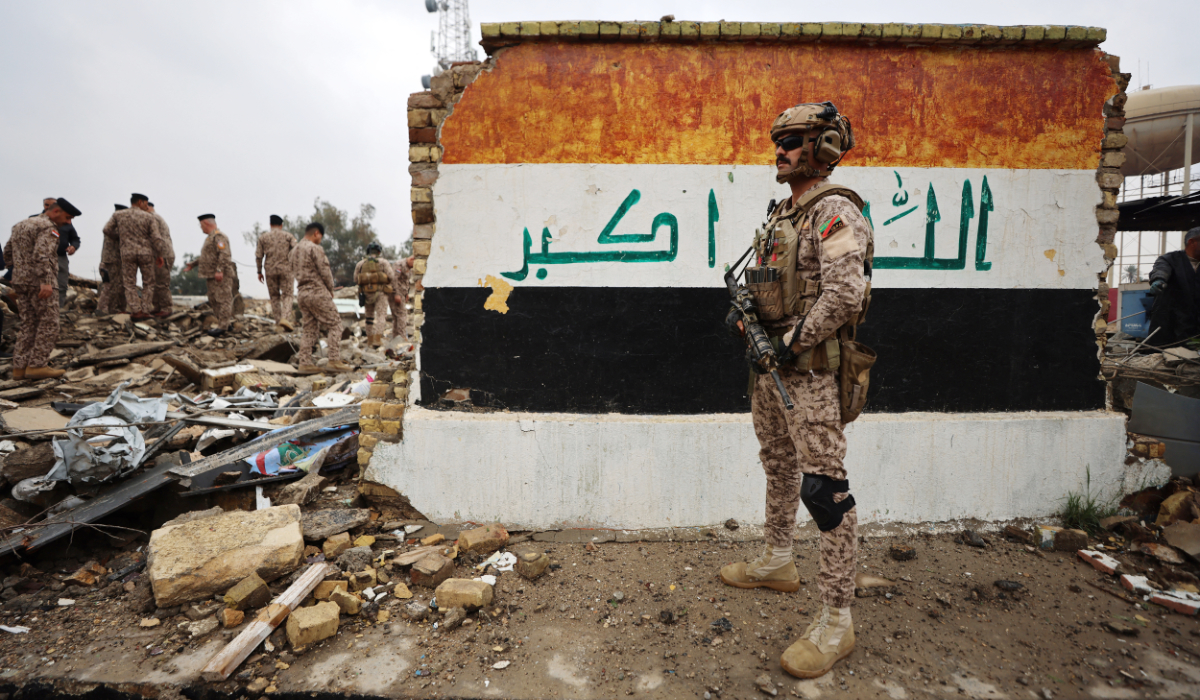
“Much of Iraq’s revenue is from oil, and any inability to trade oil would mean that the budget that was already teetering is now going to struggle to pay public salaries, to provide electricity in the hot summer months, and to provide food.
“Prices will go up, and all of these will fuel unrest in the country, and this will lead to potential protests and widespread disillusionment beyond that.”
Iraq has already experienced recurring unrest. In 2025, mass protests erupted over teachers’ salaries, alongside continued demonstrations against the US presence. Mansour said the country now risks becoming both a figurative and literal battleground.
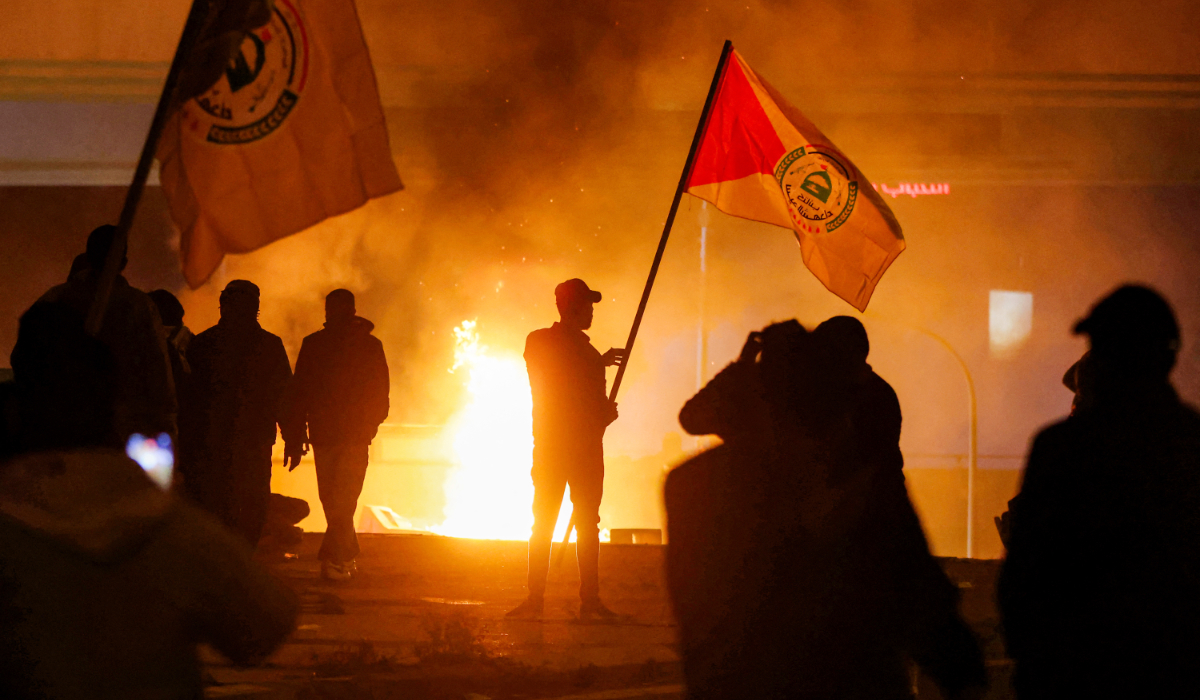
“Being a battleground would mean the proliferation of violence and armed groups and would make life very difficult and very dangerous and violent for ordinary Iraqis,” he said. “So I think, sadly, the scenarios grow more grim each day that this conflict continues.”
Compounding these pressures is a fragile political system. Zaidi’s 30-day window to form a government presents an immediate test of whether Iraq’s factions can coalesce around a unified leadership.
Failure to do so would deepen the vacuum that has already emboldened competing political and armed actors.
Hannan Hussain, a senior expert at Initiate Futures, said Iraq’s leadership faces mounting constraints.
“The current conflict is applying greater pressure, because Iraq is in the line of fire when it comes to US bases, and is also a sphere of historic influence for Iran, making it difficult for Iraq to project the kind of sovereignty and state control that it aspires to in a conflict situation like this,” Hussain told Arab News.
He added that Iraq would need to contain Iran-backed militias without provoking Tehran — a delicate and uncertain task.
The militias in question — primarily Kataib Hezbollah and Asaib Ahl Al-Haq — have grown into a force of about a quarter of a million members, with several billion dollars in funding, and an arsenal that includes long-range missiles, according to analysts.
These groups operate within the Popular Mobilization Forces, a vast network of semiautonomous militias that are formally integrated into the state.
Hussain warned that the conflict could embolden them further.
“The current conflict transcends the diplomatic weight which Iraq historically applied to both Iran and the US,” he said.
Similar concerns were raised by James Jeffrey, a fellow at the Washington Institute and former senior US official on Iraq. He said Iraq’s alignment with US interests was now “under pressure” given the “choke hold Iran holds over Iraq.”
Unless there is a dramatic shift — such as regime collapse in Iran — he sees little room for Baghdad to change course.
“An underlying issue that goes back before 1979 (Iran’s Islamic Revolution) is oil export competition,” he said.
“Iraq exporting from north and south has for many years doubled its output. Still, the main complication is if any Iran proxy attacks on the US in Iraq really harm or kill Americans.”
Even so, Jeffrey noted that Iraq retains external support.
“The Shiite community is in many ways deeply split,” he said. “Both Sunnis and especially Kurds have power and agency beyond non-Shiite groups. There is also a view from the US and Arab states that Iraq is too big to lose.”
Despite that, conditions on the ground remain fragile. A combination of political transition, militant expansion, and economic vulnerability is pushing Iraq toward the center of a widening conflict.
For ordinary Iraqis, the promise of a post-Daesh era — defined by investment and regional integration — is rapidly giving way to a return of familiar instability.