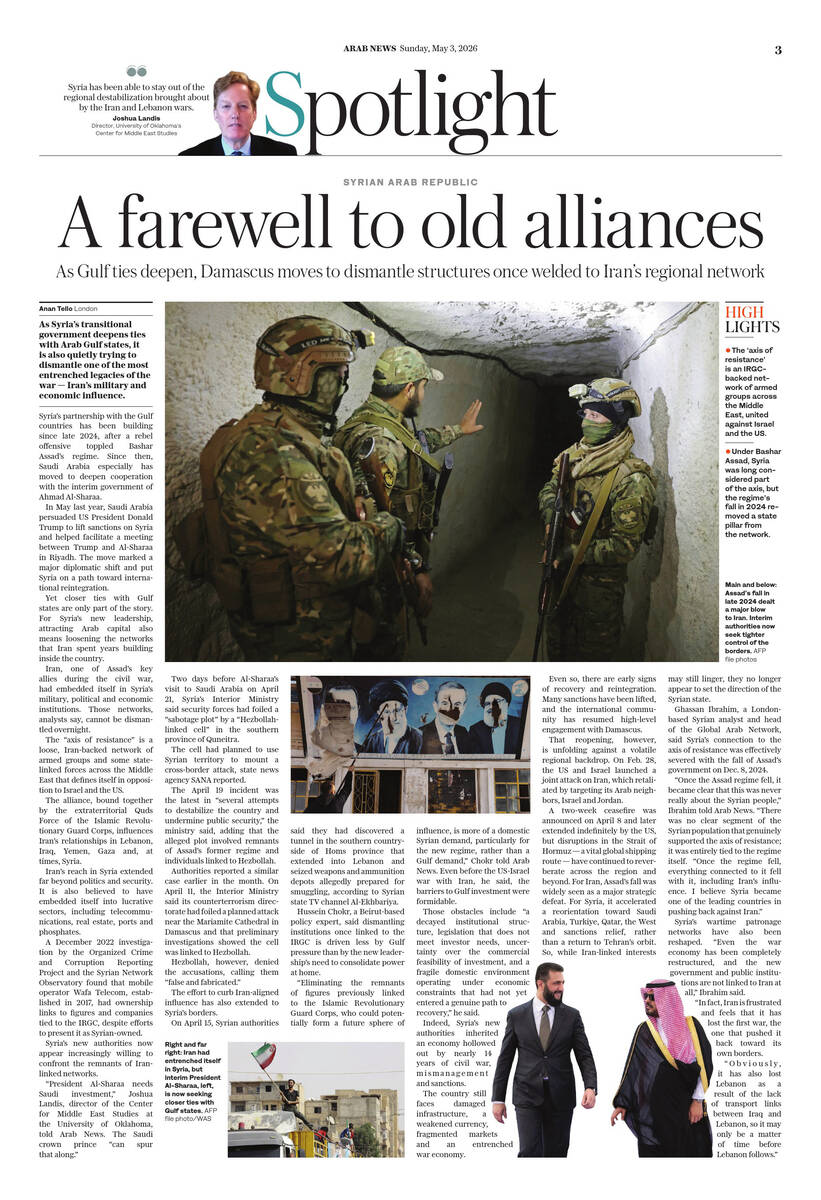
- Fall of Assad’s regime in late 2024 triggered Syria’s break with the Revolutionary Guard’s “axis of resistance”
- Analysts say uprooting the infrastructure the IRGC spent years building will be a long, difficult process
LONDON: As Syria’s transitional government deepens ties with Arab Gulf states, it is also quietly trying to dismantle one of the most entrenched legacies of the war — Iran’s military and economic influence.
Syria’s partnership with the Gulf countries has been building since late 2024, after a rebel offensive toppled Bashar Assad’s regime. Since then, Saudi Arabia especially has moved to deepen cooperation with the interim government of Ahmad Al-Sharaa.
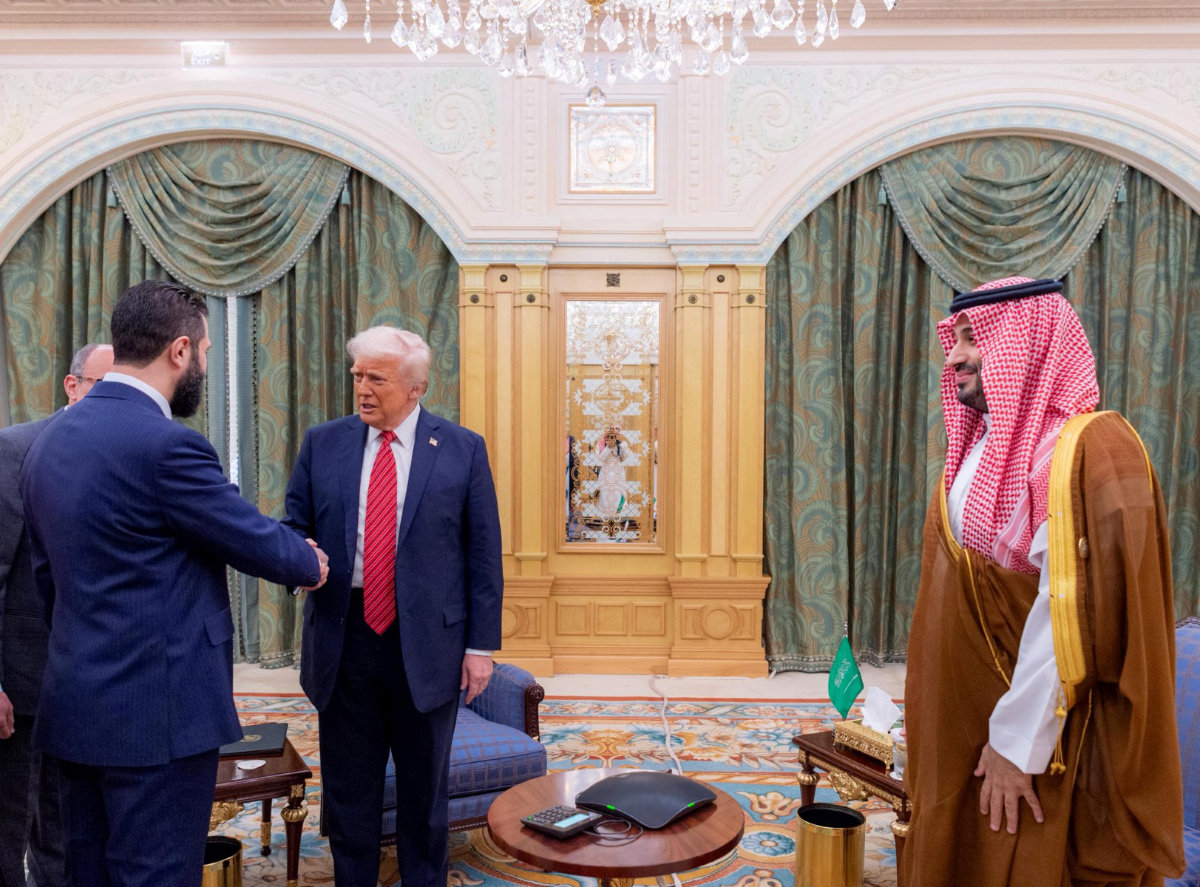
In May last year, Saudi Arabia persuaded US President Donald Trump to lift sanctions on Syria and helped facilitate a meeting between Trump and Al-Sharaa in Riyadh. The move marked a major diplomatic shift and put Syria on a path toward international reintegration.
Yet closer ties with Gulf states are only part of the story. For Syria’s new leadership, attracting Arab capital also means loosening the networks that Iran spent years building inside the country.
Iran, one of Assad’s key allies during the civil war, had embedded itself in Syria’s military, political and economic institutions. Those networks, analysts say, cannot be dismantled overnight.
“The situation here is much more complicated than it appears,” a Damascus-based security expert told Arab News on condition of anonymity.
“Even though the leadership is trying to move in that direction and distance itself from the axis of resistance, on the ground there are still many groups and individuals who remain closely tied to that same axis. So, the intention and the plan are there, but it’s going to take time.”
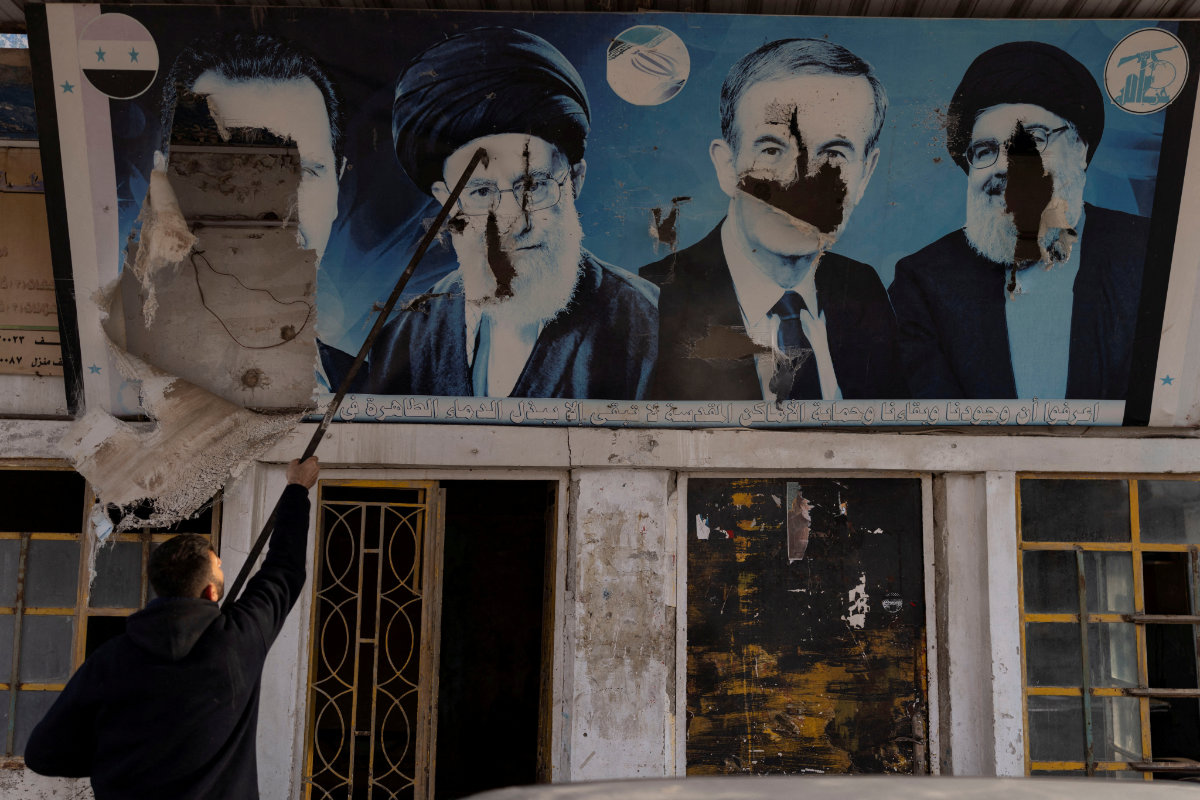
The “axis of resistance” is a loose, Iran-backed network of armed groups and some state-linked forces across the Middle East that defines itself in opposition to Israel and the US.
The alliance, bound together by the extraterritorial Quds Force of the Islamic Revolutionary Guard Corps, influences Iran’s relationships in Lebanon, Iraq, Yemen, Gaza and, at times, Syria.
Iran’s reach in Syria extended far beyond politics and security. It is also believed to have embedded itself into lucrative sectors, including telecommunications, real estate, ports and phosphates.
A December 2022 investigation by the Organized Crime and Corruption Reporting Project and the Syrian Network Observatory found that mobile operator Wafa Telecom, established in 2017, had ownership links to figures and companies tied to the IRGC, despite efforts to present it as Syrian-owned.
Syria’s new authorities now appear increasingly willing to confront the remnants of Iran-linked networks.
On April 21, Saudi Crown Prince Mohammed bin Salman met Al-Sharaa in Jeddah. The two leaders discussed ways to strengthen bilateral ties, “particularly in the economic and investment fields and regional connectivity projects.”
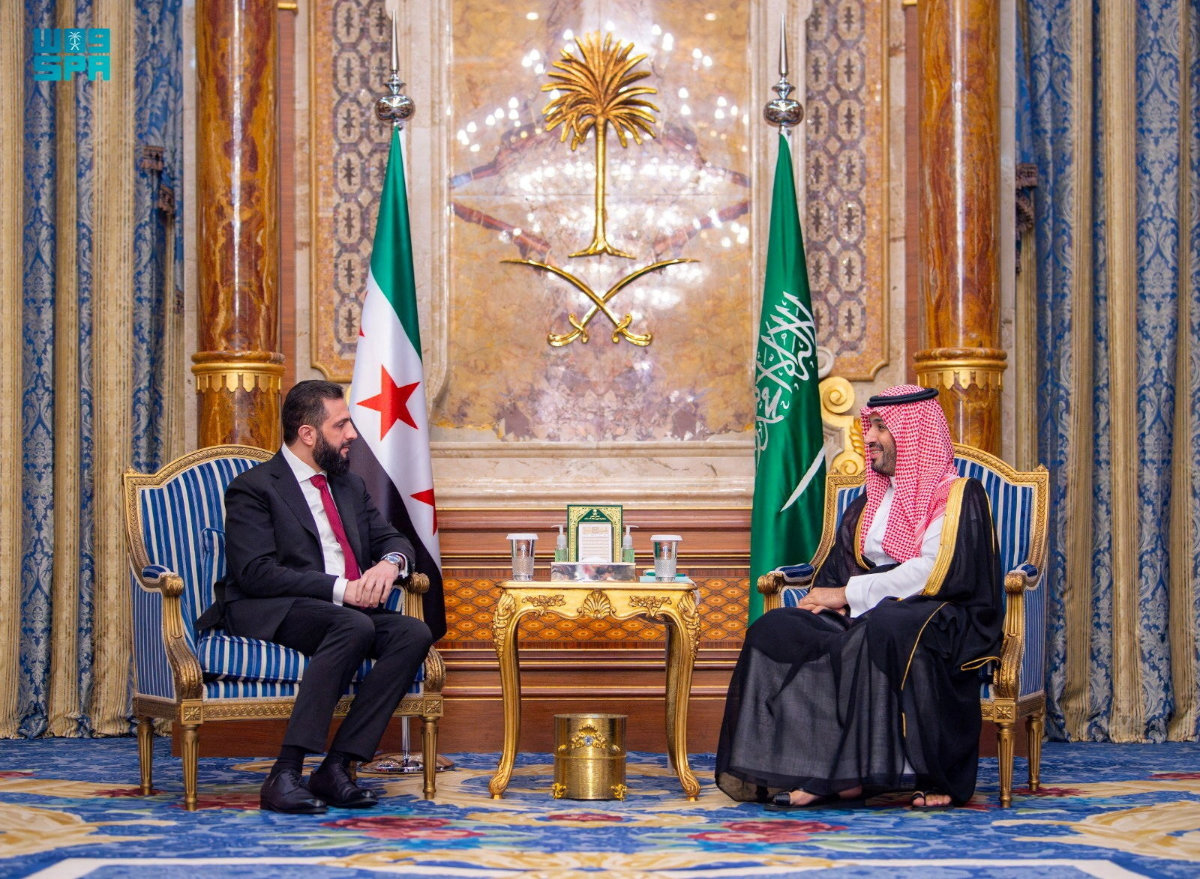
The meeting highlighted Saudi Arabia’s growing role as a central diplomatic and economic player in Syria’s postwar reintegration. For both governments, the broader goal is to turn renewed political engagement into tangible economic gains.
“President Al-Sharaa needs Saudi investment,” Joshua Landis, director of the Center for Middle East Studies at the University of Oklahoma, told Arab News. The Saudi crown prince “can spur that along.”
Two days before Al-Sharaa’s visit to Saudi Arabia, Syria’s Interior Ministry said security forces had foiled a “sabotage plot” by a “Hezbollah-linked cell” in the southern province of Quneitra.
The cell had planned to use Syrian territory to mount a cross-border attack, state news agency SANA reported.
The April 19 incident was the latest in “several attempts to destabilize the country and undermine public security,” the ministry said, adding that the alleged plot involved remnants of Assad’s former regime and individuals linked to Hezbollah.
Authorities reported a similar case earlier in the month. On April 11, the Interior Ministry said its counterterrorism directorate had foiled a planned attack near the Mariamite Cathedral in Damascus and that preliminary investigations showed the cell was linked to Hezbollah.
Hezbollah, however, denied the accusations, calling them “false and fabricated.”
In a statement on April 12, the Iran-backed Lebanese group said it “has no activity, connection, or relationship with any party in Syria,” adding that it has no presence on Syrian territory.
The effort to curb Iran-aligned influence has also extended to Syria’s borders.
On April 15, Syrian authorities said they had discovered a tunnel in the southern countryside of Homs province that extended into Lebanon and seized weapons and ammunition depots allegedly prepared for smuggling, according to Syrian state TV channel Al-Ekhbariya.
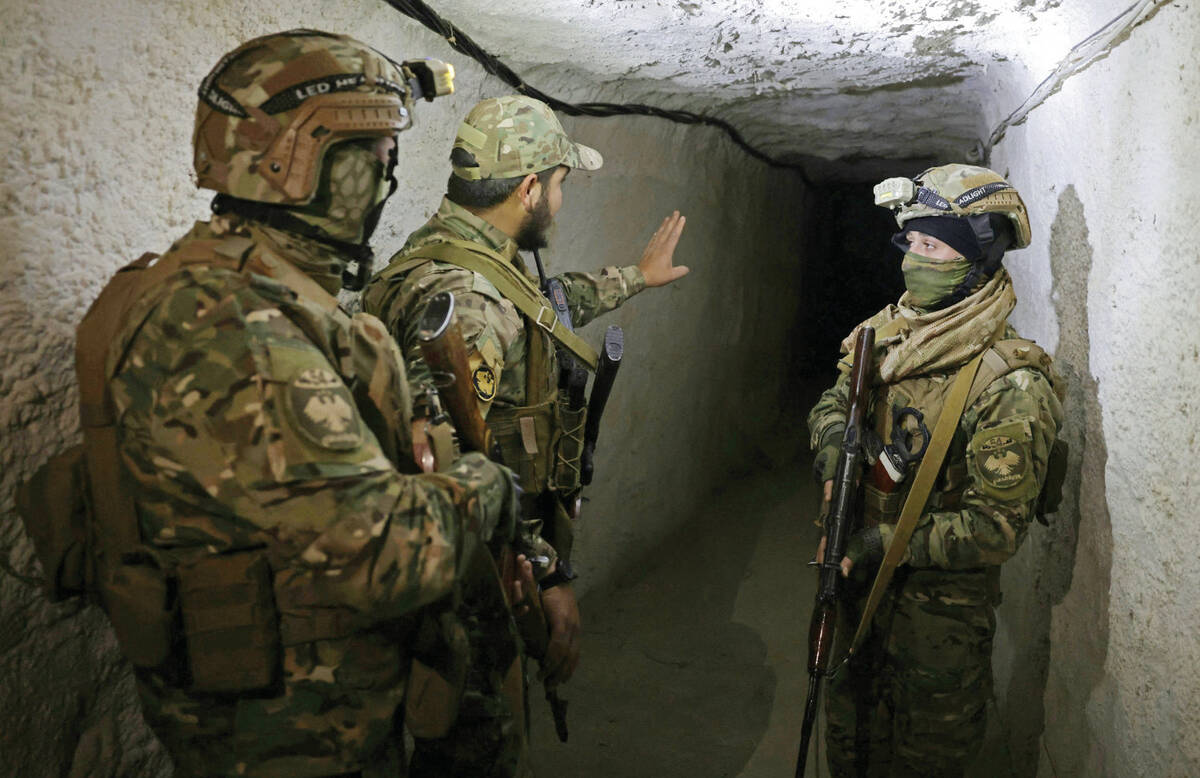
There was no immediate comment from Lebanon.
Hussein Chokr, a Beirut-based policy expert, said dismantling institutions once linked to the IRGC is driven less by Gulf pressure than by the new leadership’s need to consolidate power at home.
“Eliminating the remnants of figures previously linked to the Islamic Revolutionary Guard Corps, who could potentially form a future sphere of influence, is more of a domestic Syrian demand, particularly for the new regime, rather than a Gulf demand,” Chokr told Arab News.
“No system that comes to power through the full exclusion of the previous order is likely to tolerate remnants of that old order retaining even limited levers of influence,” he said. “To do so would risk undermining its narrative and legitimacy in the eyes of those who backed its exclusionary rise to power.”
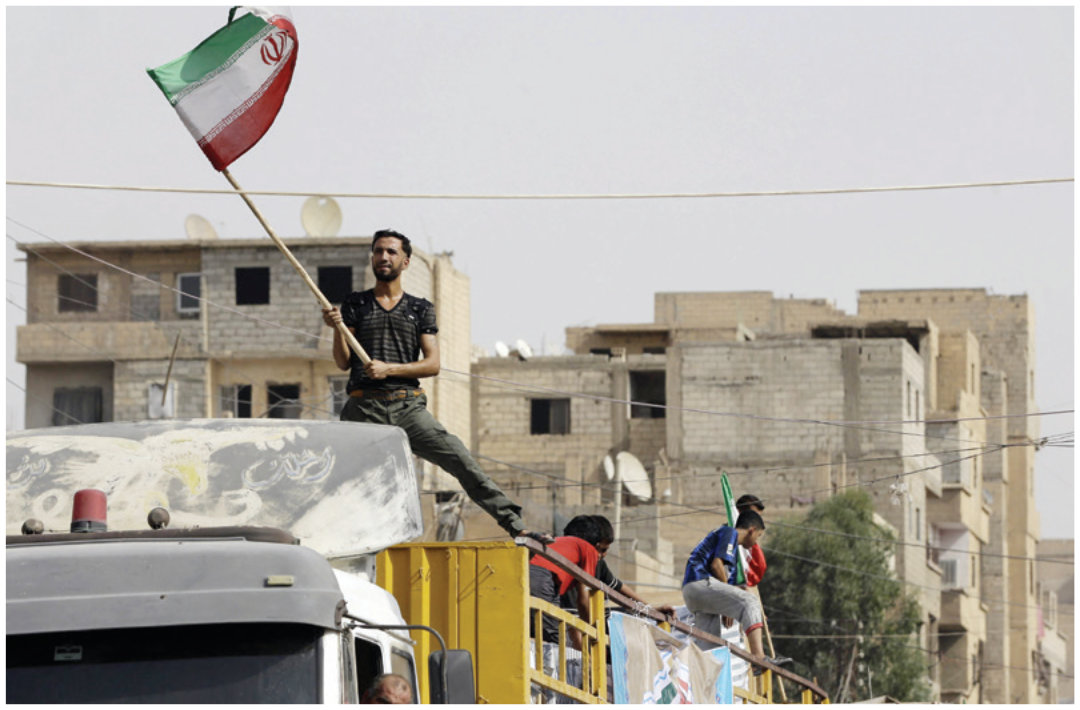
Still, removing those networks is only one part of Syria’s challenge.
Even before the US-Israel war with Iran, Chokr, said the barriers to Gulf investment were formidable.
Those obstacles include “a decayed institutional structure, legislation that does not meet investor needs, uncertainty over the commercial feasibility of investment, and a fragile domestic environment operating under economic constraints that had not yet entered a genuine path to recovery,” he said.
“After the regional war (began), unfortunately, those structural problems remain intact.”
Indeed, Syria’s new authorities inherited an economy hollowed out by nearly 14 years of civil war, mismanagement and sanctions. The country still faces damaged infrastructure, a weakened currency, fragmented markets and an entrenched war economy.
Even so, there are early signs of recovery and reintegration. Many sanctions have been lifted, and the international community has resumed high-level engagement with Damascus.
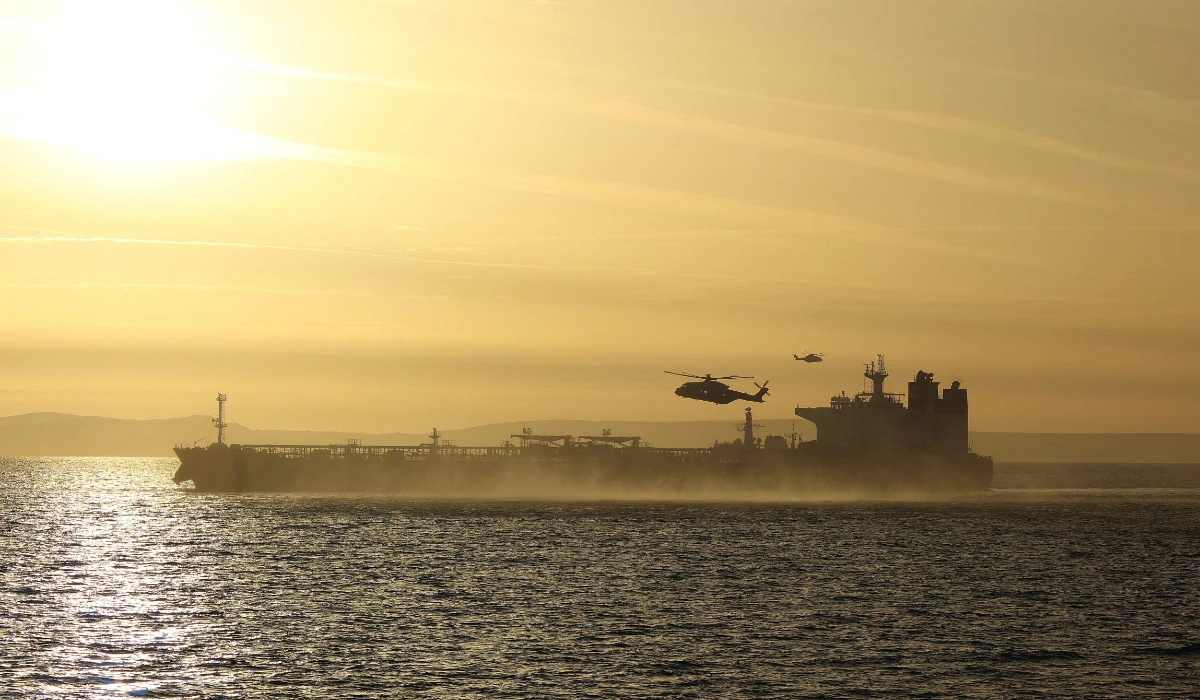
That reopening, however, is unfolding against a volatile regional backdrop. On Feb. 28, the US and Israel launched a joint attack on Iran, which retaliated by targeting its Arab neighbors, Israel and Jordan.
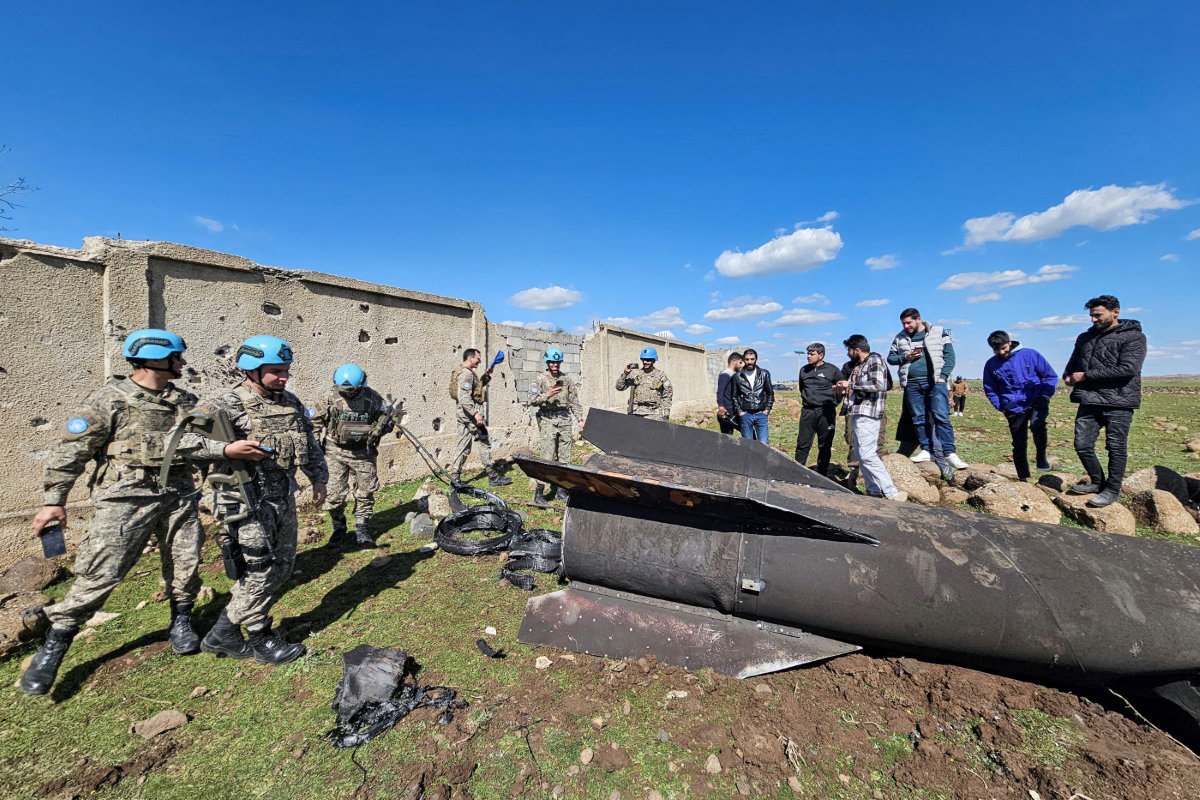
A two-week ceasefire was announced on April 8 and later extended indefinitely by the US, but disruqsqqqqqqqqq
For Iran, Assad’s fall was widely seen as a major strategic defeat. For Syria, it accelerated a reorientation toward Saudi Arabia, Turkiye, Qatar, the West and sanctions relief, rather than a return to Tehran’s orbit.
So, while Iran-linked interests may still linger, they no longer appear to set the direction of the Syrian state.
Ghassan Ibrahim, a London-based Syrian analyst and head of the Global Arab Network, said Syria’s connection to the axis of resistance was effectively severed with the fall of Assad’s government on Dec. 8, 2024.
“Once the Assad regime fell, it became clear that this was never really about the Syrian people,” Ibrahim told Arab News. “There was no clear segment of the Syrian population that genuinely supported the axis of resistance; it was entirely tied to the regime itself.
“Once the regime fell, everything connected to it fell with it, including Iran’s influence. I believe Syria became one of the leading countries in pushing back against Iran.”
Syria’s wartime patronage networks have also been reshaped. “Even the war economy has been completely restructured, and the new government and public institutions are not linked to Iran at all,” Ibrahim said.
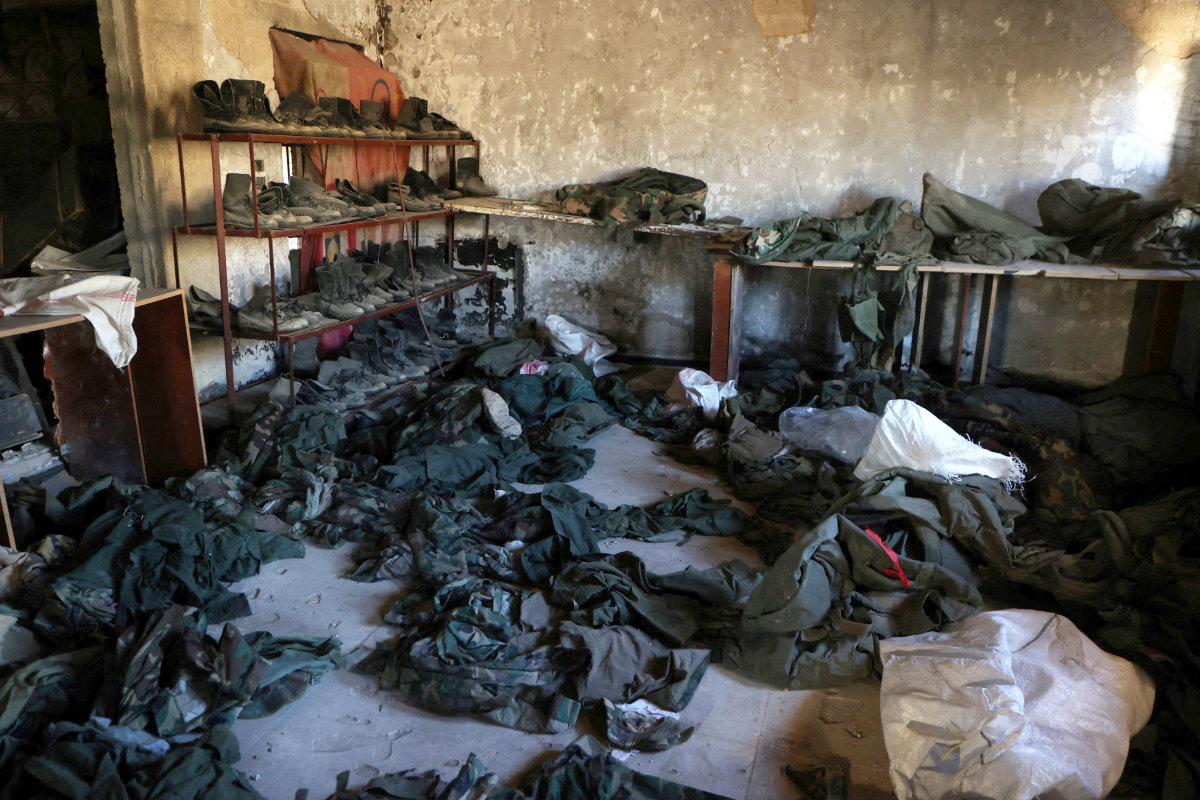
“In fact, Iran is frustrated and feels that it has lost the first war, the one that pushed it back toward its own borders. Obviously, it has also lost Lebanon as a result of the lack of transport links between Iraq and Lebanon, so it may only be a matter of time before Lebanon follows.”
Syria’s leadership, for its part, has tried to keep the country out of the regional war. Speaking from Chatham House in London in late March, Al-Sharaa said that “unless Syria is subjected to direct attacks by any party, it will remain outside this conflict.”
Landis said Damascus has so far managed to “stay out of the regional destabilization brought about by the Israeli invasion of Lebanon and the US-Israeli attack on Iran,” which has “badly hurt” Syria’s two neighbors, Iraq and Lebanon.
Lebanon has borne the brunt of the direct military and humanitarian fallout, while Iraq has been pulled in as both a strategic and economic battleground involving US forces, Iran-aligned groups and the wider war.
On March 2, Hezbollah launched rockets at northern Israel in retaliation for Israel’s killing of Iran’s supreme leader, Ayatollah Ali Khamenei.
Since then, Israel has waged a campaign that has displaced more than 1 million Lebanese and killed more than 2,500 people, according to Lebanon’s Ministry of Public Health.
Syria, by contrast, has so far avoided direct confrontation with Israel, even after Israel moved into the UN-monitored demilitarized zone separating the Israeli-occupied Golan Heights from the rest of Syria following Assad’s fall and has since launched strikes across Syria.
“Syria might have been drawn in when Israeli settlers moved across the border into Syria to declare that southern Syria should be part of Israel,” Landis said.
“Although Israeli soldiers escorted the settlers out of Syrian territory, the settlers subsequently met with an Israeli government minister to demonstrate that they have support and should not be viewed as a bunch of weirdos.”
On April 22, the Israeli military said it had apprehended and returned around 40 Israeli activists who had briefly crossed into Syria, AFP reported.
Landis said the threat to Syria remains real, but Al-Sharaa “was restrained and refused to take the bait.” As a result, “he has successfully kept Syria out of Israel’s crosshairs in the latest round of war.”
“To underline his commitment to Syria’s new alignment away from Iran and the ‘axis of resistance’ and toward Saudi Arabia, Qatar, and Turkiye as well as toward the US, Al-Sharaa has mobilized forces along the borders with Lebanon and Iraq to stop cross-border smuggling and prevent the use of Syrian territory by pro-Iranian militias,” he added.
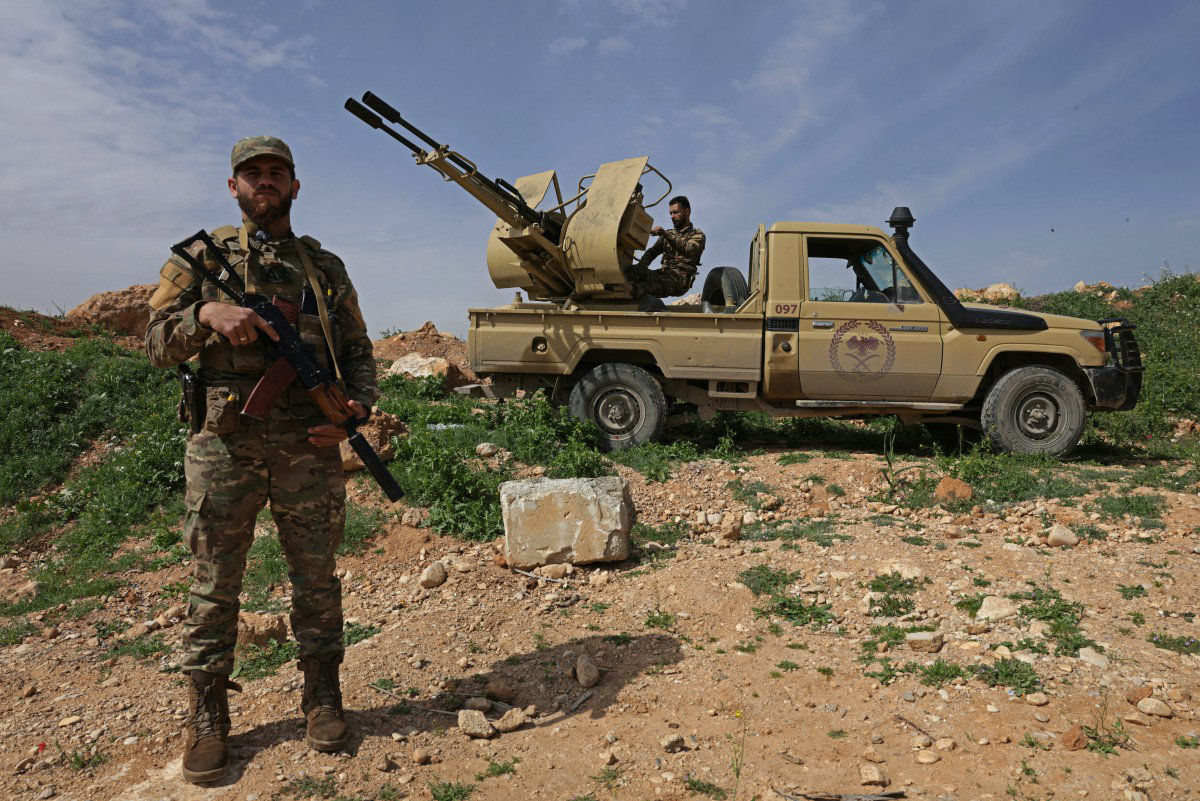
That border push has increasingly taken on a diplomatic dimension. On March 10, Lebanese President Joseph Aoun and Al-Sharaa agreed to activate coordination and consultation on border control, according to official statements.
Then, on April 28, Syria’s permanent envoy to the UN, Ibrahim Olabi, called on the Iraqi and Lebanese governments to deploy official state forces along their borders with Syria and prevent the spread of militia groups amid ongoing regional instability.
Taken together, those moves suggest Damascus is trying to do more than distance itself rhetorically from Iran. It is attempting to dismantle the infrastructure — physical, political and economic — that once anchored Tehran’s influence in Syria.
Whether it can uproot those residual networks without triggering further economic disruption or regional pushback may shape not only Syria’s recovery, but also the depth of Gulf investment it is now seeking.