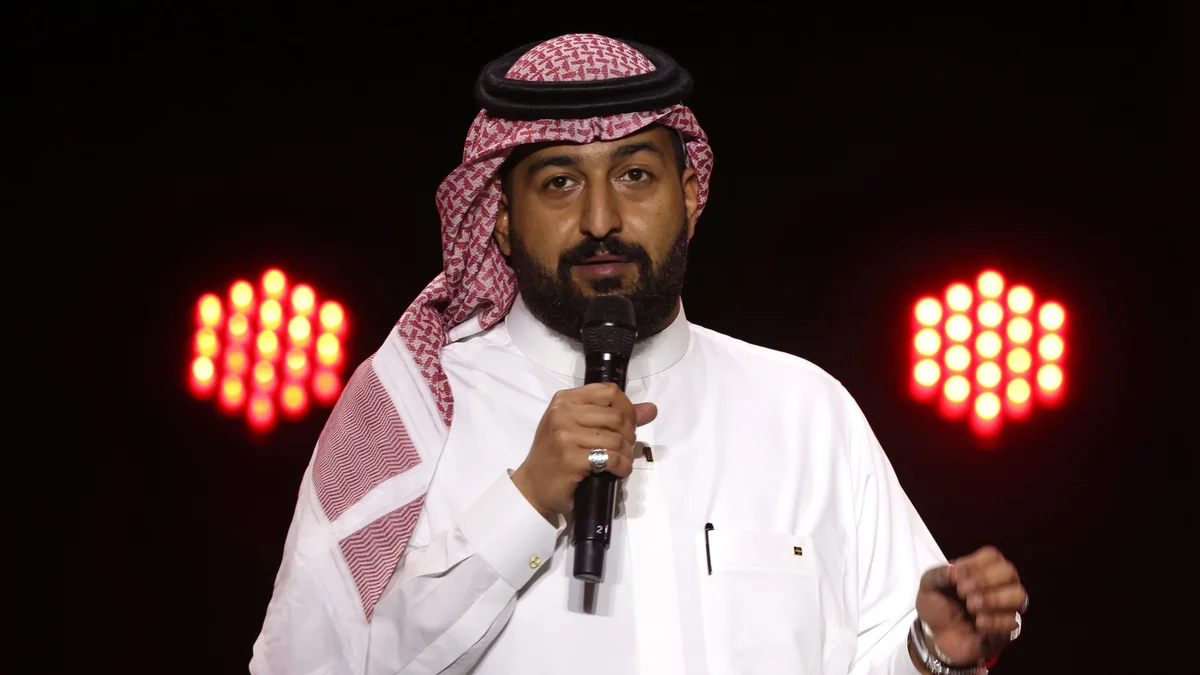
- The Saudi DJ has played a major role in putting Arab hip-hop on the map
DUBAI: For Hassane Dennaoui — aka Big Hass — hip-hop was never just music, it was identity, language and resistance. Now, as his radio show “Laish Hip Hop” celebrates 15 years on air, the presenter, music producer, and hip-hop advocate says his mission remains the same: to serve the culture and the voices behind it.
“Laish Hip Hop” — which airs weekly on Mix FM — is widely credited with introducing Arabic hip-hop to mainstream radio audiences across the region. Launched in 2011, the program showcases local and independent artists from across the Arab world, while also exploring hip-hop culture in general.
“Most people got into hip hop through Tupac or Biggie. I got into it through Arabic hip-hop,” Hass told Arab News.

The show has served as a platform for emerging artists and a space to document the evolution of Arab rap — a genre that was once considered underground or controversial. “I fought hard to have the show on the radio,” Hass said. “It was a six-month struggle trying to convince the station. But I didn’t give up. I’m not doing something against my culture, or against my religion. I’m just really pushing this beautiful concept and culture that started in the early Seventies as a tool to express yourself.”
Initially, the show was not well-received. Not many local-radio listeners were interested in hip-hop. But that did not faze Hass.
“Arabic hip-hop started off as very politically charged and that’s why it didn’t really get a lot of push in mainstream media. I totally get that. But the interesting part is that the reason why Arabic hip-hop is where it is now is because there’s so much diversity to it,” he said. “This is what makes Arabic hip-hop lethal, its diversity; you have rappers from Tunisia, Morocco and Algeria, then rappers from the Levant — whether it’s Palestine or Jordan or Lebanon — and then rappers from Iraq, then Kuwait or Saudi Arabia.”
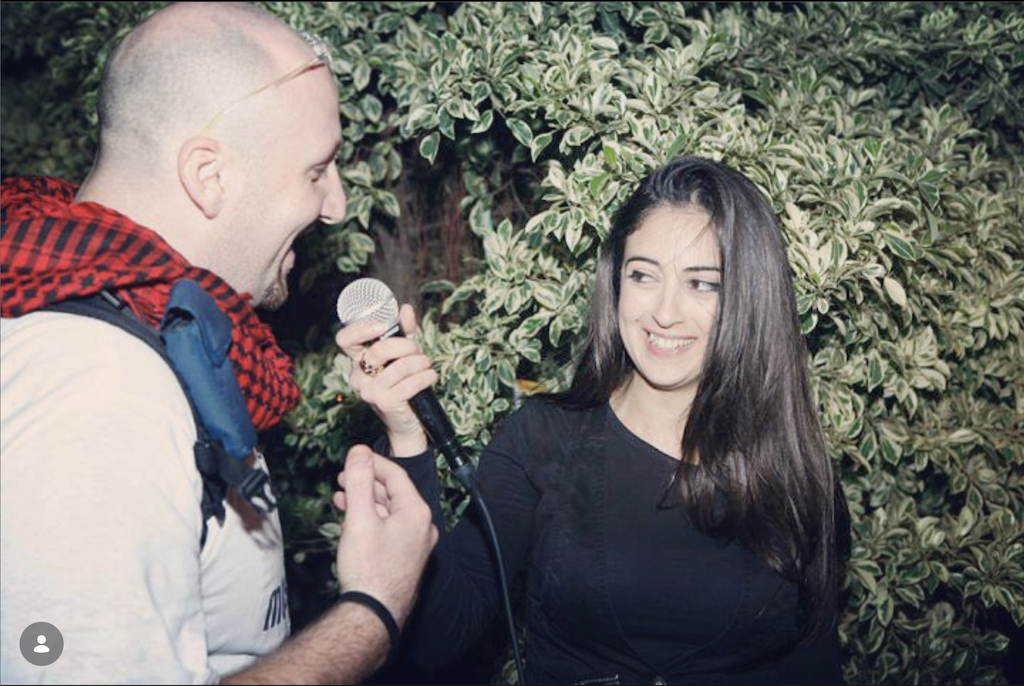
Hass does feel, though, that despite this diversity, Arabic hip-hop culture needs to make women feel more comfortable about participating.
“I know for a fact that in some places we, as men, are not making a safe environment for women to express themselves. So, my dear brothers, I want you to look at yourselves in the mirror,” he said. “This has nothing to do with women. This has everything to do with you.”
It wasn’t until Hass hosted his first guest on the show — Saudi rap artist Qusai Don Legend The Kamelion — that he felt he was moving in the right direction.
“Qusai has done so much for Arabic hip-hop, for Saudi hip-hop, and I wanted to make it a point to have a Saudi rapper on the show,” he said. “We had a beautiful conversation and right after the show I received some amazing feedback from rappers — back then there wasn’t a lot of social media — and they were so happy about it. Like, ‘Hey! We finally have a show that will play our song on the radio.”
Speaking of social media, Hass said he worries that the “true essence” of hip-hop is starting to fade because of social media’s constant driving of trends and algorithms, which he feels have “diluted the essence of Arabic hip-hop in a way.”
Still, he’s sure that the genre will survive. “Hip-hop has been 50-plus years — it’s here to stay,” he said.
And he’s confident his show will continue to prosper too. “‘Laish Hip-Hop’ has been documenting Arabic hip-hop for the past 15 years — the evolution, the ups, the downs, the stories, the positives and the negatives,” he said. “This show has given me a voice and a channel to be able to reflect my culture, my roots.”