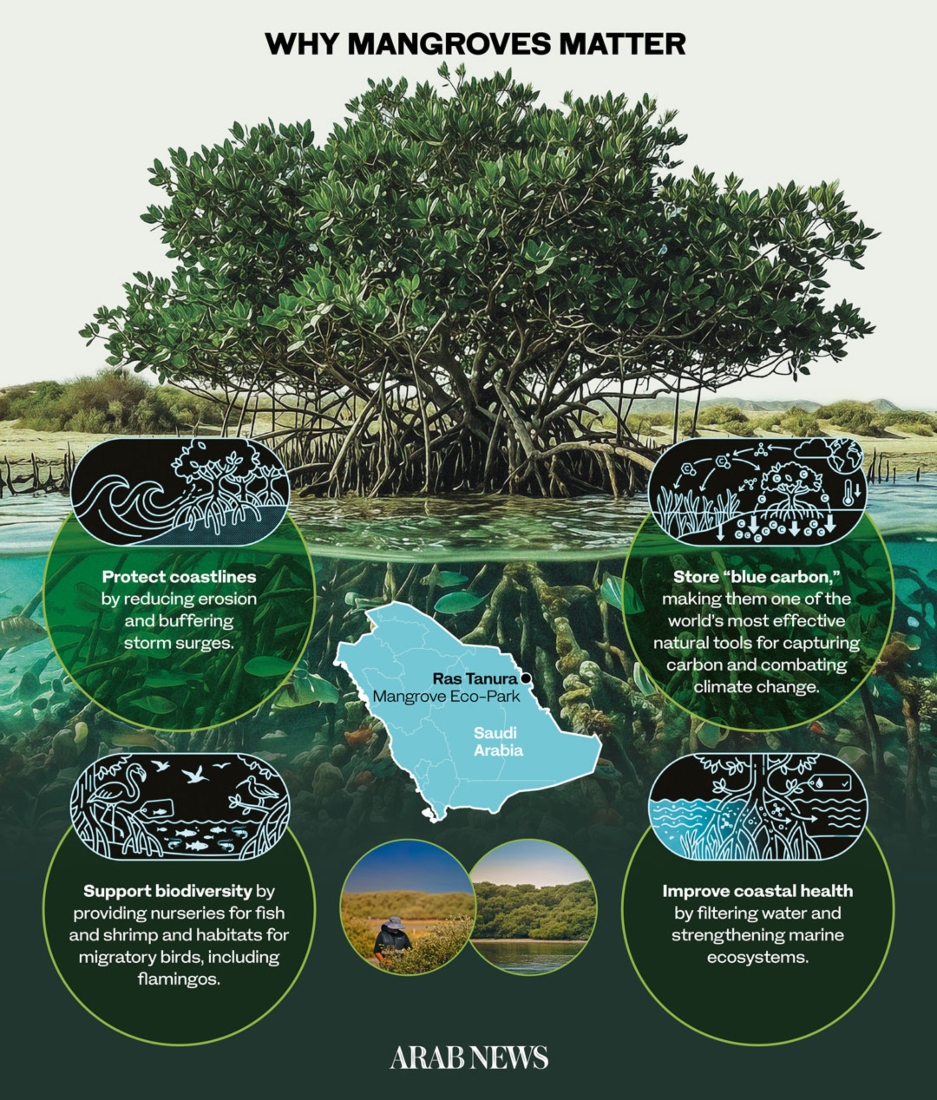

RAS TANURA: The Arabian Gulf coastline is chockfull of treasures, and the Grey Mangrove, known as Avicennia marina, will greet you readily at the surface.
Situated in the aptly-named Ras Tanura, its city moniker was derived from the Arabic for “Cape Oven,” due to it’s oven-like heat and humidity; this mangrove-fringed inlets and bays that skirt around Ras Tanura’s Mangrove Eco-Park protect that salty, humid strip of area where the land meets the sea. It is free and open to the public.
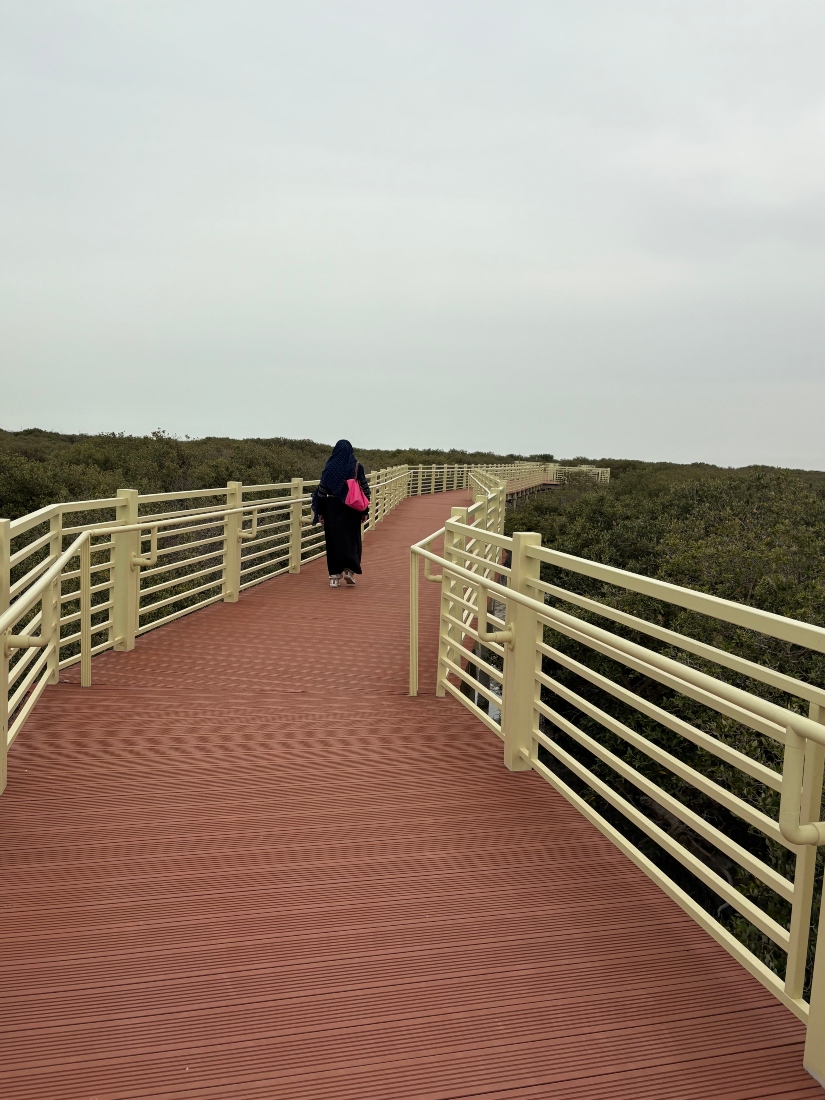
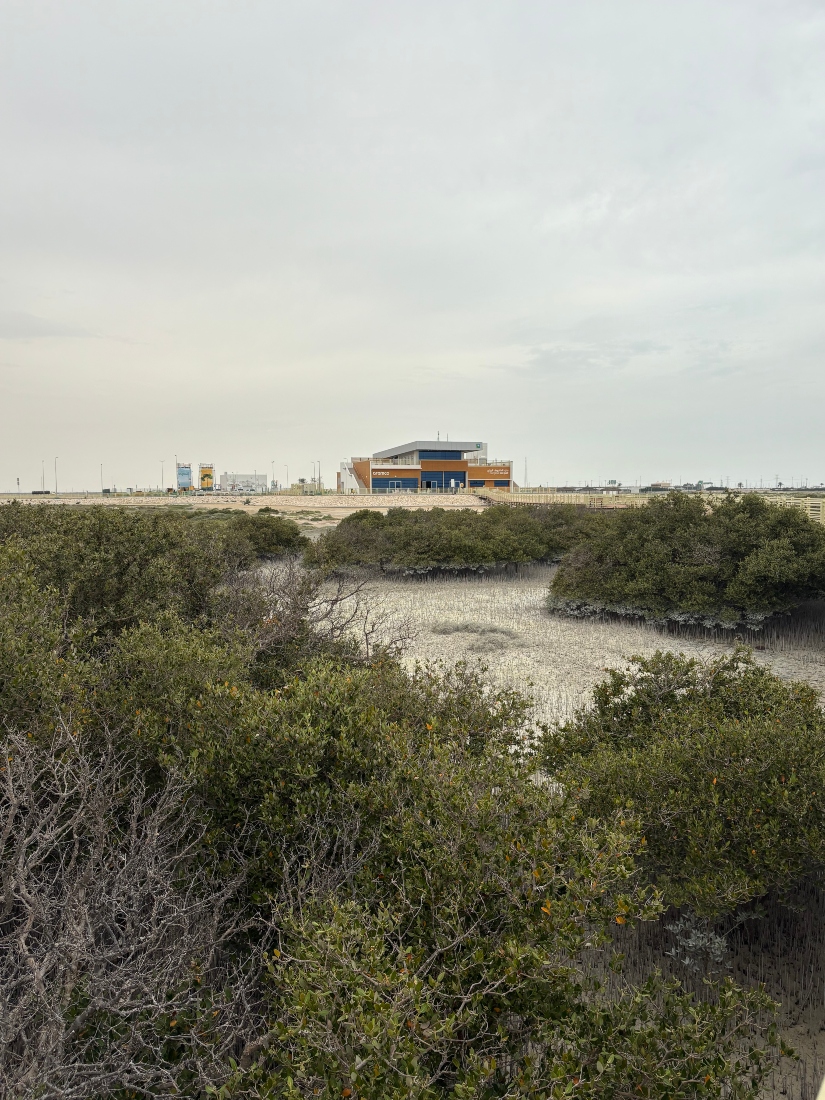
Launched in 2021, the park is the only one of its kind in the Kingdom, created to protect coastal wetlands and to serve as an educational playground for fun facts to rise to the surface, as part of the Saudi Green Initiative, which was also inaugurated in 2021. Authorities have committed to planting 100 million mangrove trees by 2030 as part of the effort to support the Kingdom’s sustainability goals and its net-zero emissions target by 2060.
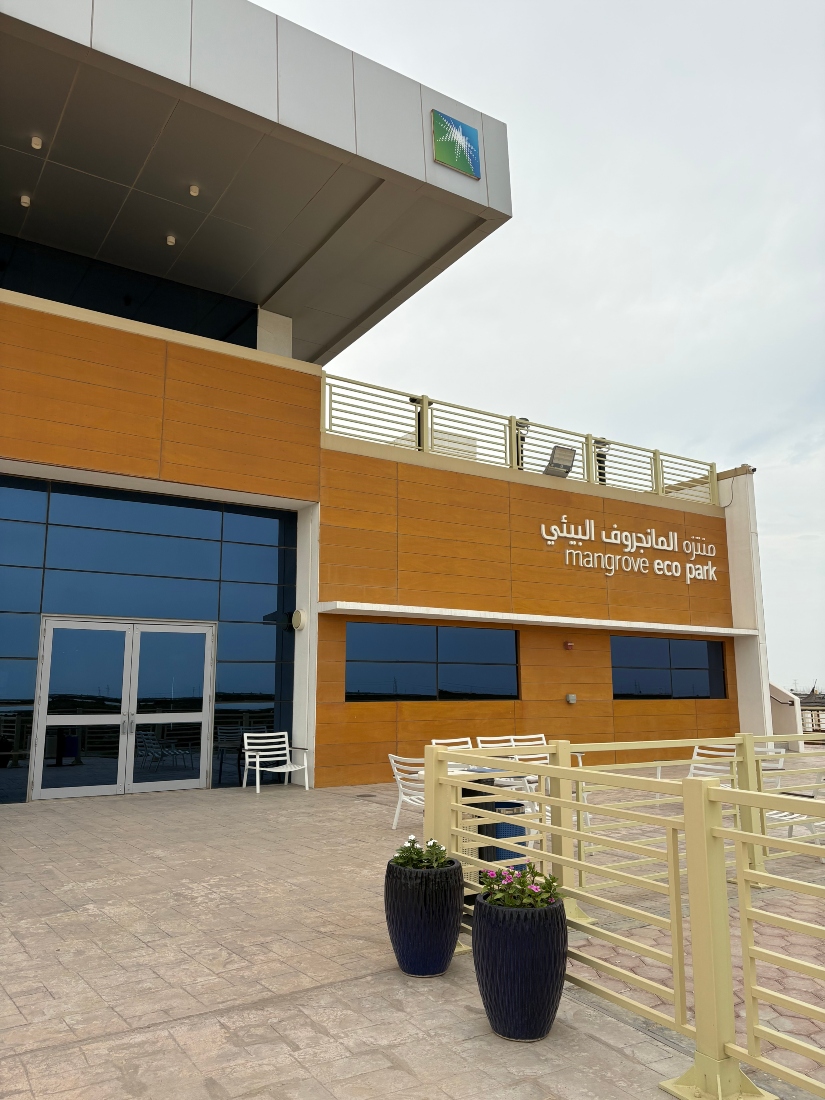
On points, a portion of the Mangrove Eco-Park is designated for research activities, with ample views of wandering white flamingos and plenty of misty salt air.
Arab News spoke to Thamer S. Al-Mutairi, manager of Aramco’s Mangrove and Forestation Division about the most fascinating findings on the ground — and within the water.
“Mangrove Eco-Park at Ras Tanura covers an area of approximately 64 sq. km., featuring public boardwalks, educational facilities, and long-term scientific monitoring systems,” he said.
Mangroves have been a vital part of the ecosystem in Saudi Arabia and has provided a vibrant habitat for birds and other marine life, such as nurseries for fish and shrimp.
There have evidently been challenges — and triumphs — in ensuring that these mangrove saplings survive in the harsh, salty environment of the Eastern Province. The expert team working alongside Al-Mutairi has been able to adapt in their planting techniques, in order to address those intense factors.
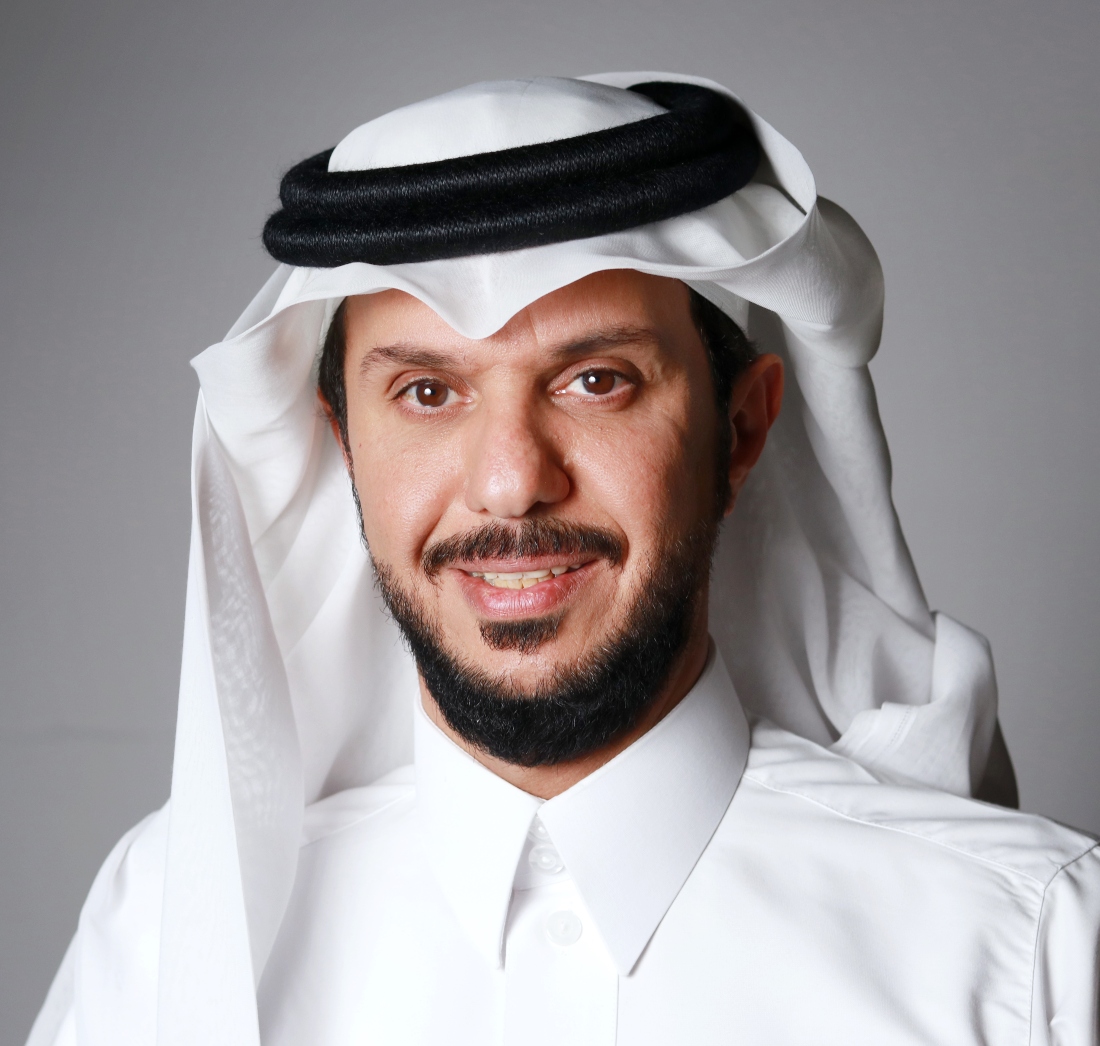
“The primary challenge in the Arabian Gulf is the extreme environmental conditions — particularly the high salinity and temperature fluctuations. We continue striving to overcome these extremes by treating mangrove restoration as a rigorous, science-based endeavor, rather than a simple planting exercise. To adapt, we rely on long-term monitoring, sensors, and collaborations with universities, including institutions such as King Abdullah University of Science and Technology.”
“Blue carbon, or the carbon sequestered and stored in coastal and marine ecosystems, including seagrasses, mangroves, salt marshes and seaweed and in the sediments below, is one of the most effective mechanisms for climate change mitigation and improving the status of coastal ecosystems,” according to the KAUST website.
Another Saudi institution, King Faisal University, has also been working with Aramco on coastal and carbon sinks research.
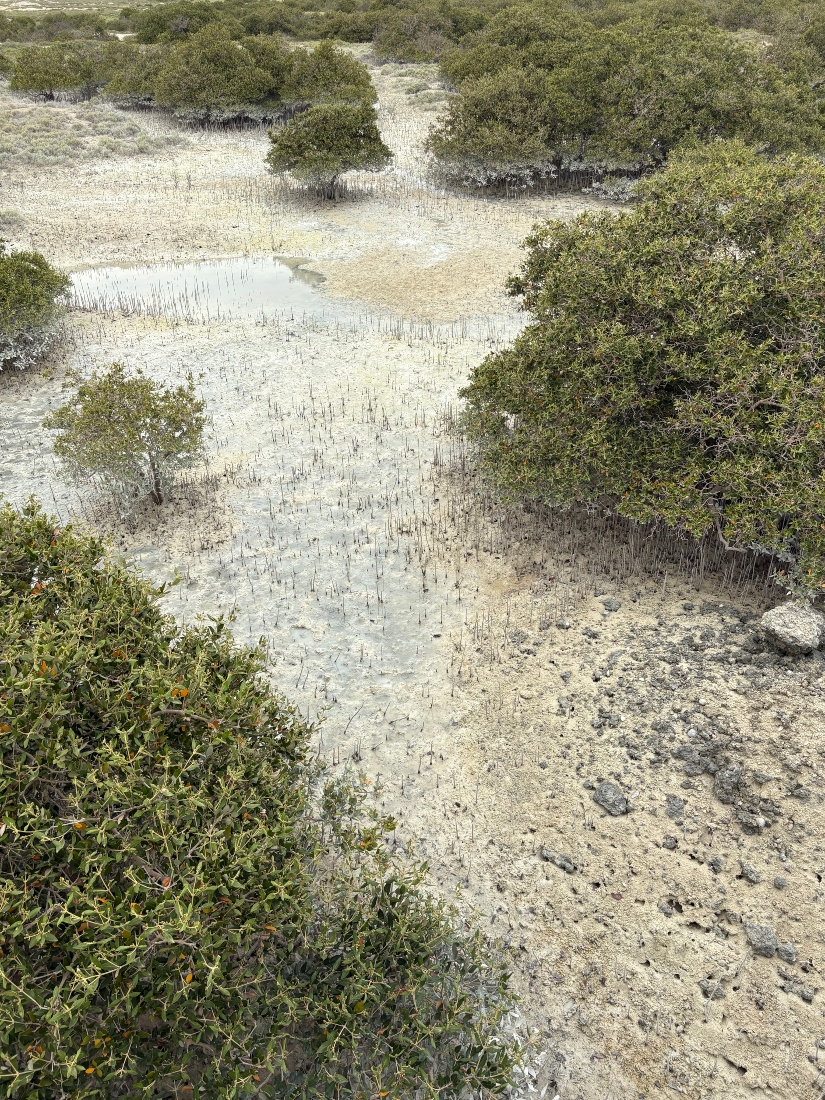
“We are also leveraging advanced technologies, such as drones, to ensure effective monitoring and maximize mangrove carbon credit generation,” Al-Mutairi added. “We also carefully match local mangroves to specific micro-habitats, adjust planting densities, and refine our timing around tides and temperature extremes. This helps young saplings get exposed to just enough stress to build resilience without compromising survival,” Al-Mutairi added.
“Beyond Ras Tanura, these data-driven approaches are being scaled across our wider coastal restoration portfolio, supporting and building on more than 49 million mangroves planted in the Kingdom by the end of 2025,” he said.
Al-Mutairi added that other long-term monitoring data is being gathered to track Aramco’s carbon sequestration and biodiversity net gain initiatives, and that this data will positively influence future local restoration projects.
“We continuously monitor the health, growth, and carbon-sink capabilities of our mangrove forests using a network of sensors and drone technology,” he said.
“Through sustained monitoring, we have successfully established a carbon stock assessment that has been verified by third parties.”
“Regarding ecological health, our focus is on practically supporting and enhancing coastal biodiversity. We do not treat ‘biodiversity net positive impact’ as a slogan; instead, we track indicators such as species presence, habitat use, and water quality trends over multiple seasons. The data we collect at the Mangrove Eco-Park serves as a blueprint. It helps us understand the exact environmental thresholds these plants can tolerate, which directly influences how we refine site selection and planting layouts for future projects. This evidence base underpins Aramco’s broader nature-based solutions program, where mangrove restoration complements other emissions reduction levers — such as energy efficiency, methane and flaring reductions, and renewables — all contributing to our ambition to achieve net-zero Scope 1 and 2 greenhouse gas emissions across wholly-owned operated assets by 2050.”
Aramco has a data-rich, science-backed approach to coastal restoration, and they are eager to dive even deeper.
“We have an ambition to plant 300 million mangroves in Saudi Arabia by 2035,” he said. "As of the end of 2025, Aramco has planted a cumulative total of over 49 million mangrove trees in the Kingdom; this includes approximately 6 million mangroves planted in 2025 alone.”
Al-Mutairi is personally excited for what is to come. “One particularly remarkable outcome is seeing these restored mangrove stands function as ‘living laboratories.’ Our teams can observe first-hand how root-structures stabilize shorelines, filter water, and provide nurseries for juvenile fish and invertebrates,” he said.
“Equally important, is the social dimension. The Eco-Park has become a vibrant community and educational hub. Our public boardwalks and facilities are seeing growing interest from schools, universities, and local families who visit to learn about Saudi Arabia’s coastal environments.”