

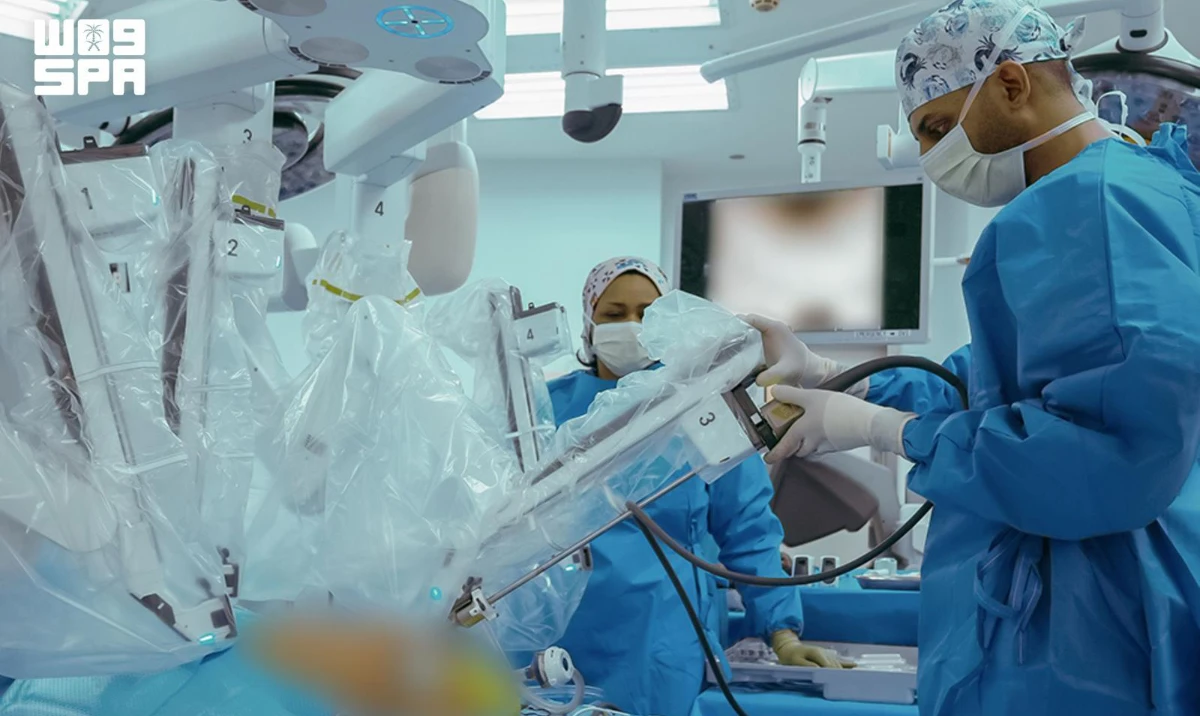

Artificial intelligence has moved beyond the pilot stage in Saudi Arabia’s healthcare system. What was once viewed as a future ambition is now becoming part of everyday clinical practice, helping hospitals improve patient safety, streamline operations, and support better decision-making.
This transformation reflects more than technological progress. Under Vision 2030 and the Health Sector Transformation Program, Saudi Arabia has invested in the digital infrastructure, workforce capabilities, and regulatory framework needed to integrate AI into healthcare delivery. Increasingly, the focus is shifting from treating illness after it occurs to preventing it through predictive, connected, and data-driven care.
The Kingdom’s progress underscores an important lesson: successful AI adoption is defined not by algorithms alone, but by how effectively technology is integrated into clinical workflows.
From ambition to implementation
One of AI’s most significant contributions is in medication management, where hospitals are using intelligent systems to connect prescribing, dispensing, and medication administration into a single digital workflow.
Rather than relying on disconnected processes, clinicians now have access to integrated information that helps reduce medication errors, improve inventory management, and support faster clinical decision-making.
Platforms such as BD’s Incada bring together data from connected medication management systems, allowing healthcare providers to monitor inventory, identify usage patterns, reduce waste, and improve operational efficiency. AI-powered analytics also enable clinicians to retrieve insights using natural language, providing faster access to information without adding complexity to already demanding clinical environments.
The value of these technologies is best measured by patient outcomes rather than technical capability.
At King Fahad Medical City in Riyadh, the introduction of automated pharmacy and medication management systems produced measurable improvements, reducing dispensing errors from 1 percent to 0.24 percent, lowering incomplete prescriptions, shortening pharmacy waiting times, and cutting medication waste by more than 80 percent.
These results demonstrate how digital transformation can improve efficiency and patient safety simultaneously.
Improving safety while reducing pressure
Across Saudi Arabia, hospitals implementing AI-enabled pharmacy automation are reporting similar benefits.
Studies have shown reductions of more than 50 percent in patient waiting times, increases in patient satisfaction of more than 20 percent, and productivity gains among pharmacists of roughly one-third. Some healthcare facilities have also reported eliminating dispensing errors entirely after introducing automated medication systems.
These improvements matter because medication errors remain one of healthcare’s most persistent patient safety challenges worldwide. Reducing those risks not only improves outcomes but also allows healthcare professionals to devote more time to clinical care instead of repetitive administrative tasks.
Importantly, AI is not replacing healthcare professionals. It is helping them make safer, faster, and more informed decisions.
The rise of connected care
The next stage of healthcare transformation extends beyond automation to connected care.
Many hospitals still operate with fragmented information spread across multiple systems. Connecting prescribing, monitoring, laboratory, and medication data gives clinicians a more complete picture of each patient, enabling earlier intervention and better coordinated care.
AI strengthens this approach by identifying patterns clinicians may not immediately detect while ensuring decisions remain grounded in comprehensive patient information.
One promising example is predictive patient monitoring during surgery. Traditional monitoring often identifies complications only after physiological changes have occurred. AI-powered technologies can analyze subtle changes in real time, allowing clinicians to anticipate complications such as hypotension before they become critical.
This shift from reacting to deterioration to anticipating it represents one of AI’s most significant contributions to patient safety.
Rather than replacing clinical judgment, predictive analytics provide physicians with earlier warning signs and enhanced decision support, enabling intervention before complications escalate.
Predictive healthcare
As AI adoption accelerates, healthcare is entering a new phase in which prediction becomes as important as treatment.
Future healthcare systems will increasingly identify patients at risk before disease progresses, coordinate care across multiple clinical settings, and deliver personalized interventions based on continuously updated clinical information.
Achieving this future requires more than advanced technology. It depends on secure data governance, interoperability across healthcare systems, responsible AI implementation, and continued investment in clinicians, who remain central to every medical decision.
Saudi Arabia has already established many of these foundations. Continued investment in digital infrastructure, healthcare innovation, and AI is positioning the Kingdom among the countries moving most rapidly from AI experimentation to real-world clinical implementation.
For technology providers, the opportunity is no longer simply to build smarter software. It is to develop solutions that integrate seamlessly into healthcare systems, support clinicians, and improve outcomes without adding complexity.
Ultimately, the success of AI in healthcare will not be measured by the sophistication of its algorithms. It will be measured by safer hospitals, fewer medical errors, more efficient clinical workflows, and better patient outcomes.
Saudi Arabia is demonstrating that when AI is implemented thoughtfully, these goals are no longer aspirational—they are becoming everyday clinical reality.
• Omar Malabarey is country general manager at BD Saudi Arabia.


