- Restrictions imposed at settlement gas stations, especially in Ariel, in the face of a fuel crisis tied to broader economic strain, including banking restrictions
- Escalating violence and tougher security measures following deadly clash in Tell last week increasingly restrict movement, limit access to fuel and work
LONDON: As fuel shortages deepen across the occupied West Bank, Palestinians who had turned to nearby Israeli settlements for gasoline now face new restrictions that could further limit their mobility and ability to work.
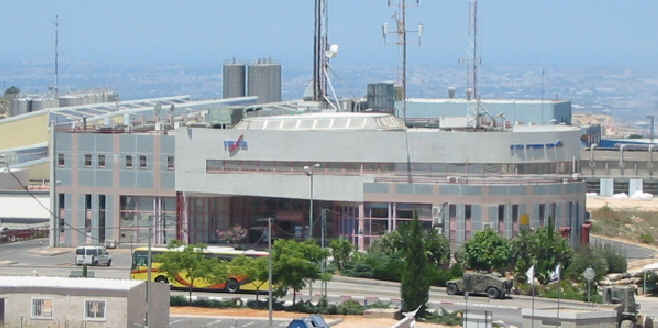
Palestinian employees at Barkan Industrial Park in the northern West Bank said they were told on Wednesday they could no longer refuel at gas stations in the nearby Israeli settlement of Ariel, Palestinian and Israeli media reported.
The notice, circulated through WhatsApp, and in some cases delivered verbally during the workday, warned that as of Thursday, workers who attempted to refuel could face detention, questioning or workplace penalties, The Times of Israel reported.
The message cited guidance from security officials at Ariel municipality, and said Palestinian employees would be barred from entering the Ten gas station in western Ariel and the Sonol gas station at the entrance to the settlement.
Labor advocates quickly criticized the decision. Assaf Adiv, executive director of the Israel-based MAAN Workers Association, said the gas stations had long served both Israelis and Palestinians, and the restriction appeared to lack any legal basis. He reportedly contacted Ariel’s mayor and the head of Barkan Industrial Park urging them to rescind the directive, describing it as a violation of workers’ rights.
Local authorities denied issuing any such instructions, however. Ariel municipality told The Times of Israel it was “unfamiliar with the message that was circulated” and no directive was issued by its security officials. Barkan Industrial Park referred inquiries to the Samaria Regional Council, which similarly said it had no knowledge of the notice.
It comes as Palestinian areas face a deepening fuel crisis. Demand at Israeli gas stations in the West Bank has surged as their Palestinian counterparts struggle as a result of supply shortages.
Palestinian officials attribute the disruption to a broader economic crisis involving Israeli banks that has left businesses unable to deposit cash and maintain normal operations.
Diana Mardi, a field researcher with the Israeli organization Bimkom — Planning and Human Rights, described conditions in the West Bank as “catastrophic.” The availability of fuel, she said, had been one of the last elements sustaining a semblance of normal life in the territory.
“People would still wake up and go to work, even without pay in some cases,” she told Arab News.
“For many, whatever income they earned barely covered transportation or basic needs. The situation is extremely dire. This crisis has caused significant harm and it remains unresolved.”
Even when fuel was available, access remained difficult. Long queues at gas stations, sometimes causing hours-long waits, had become common, compounded by restrictions on movement.
“Fuel is still coming in but who can afford to wait three hours just to fill a tank?” Mardi said. “Some people arrive with only a quarter-tank and run out while waiting, especially with the added traffic caused by roadblocks, gates and security checkpoints.”
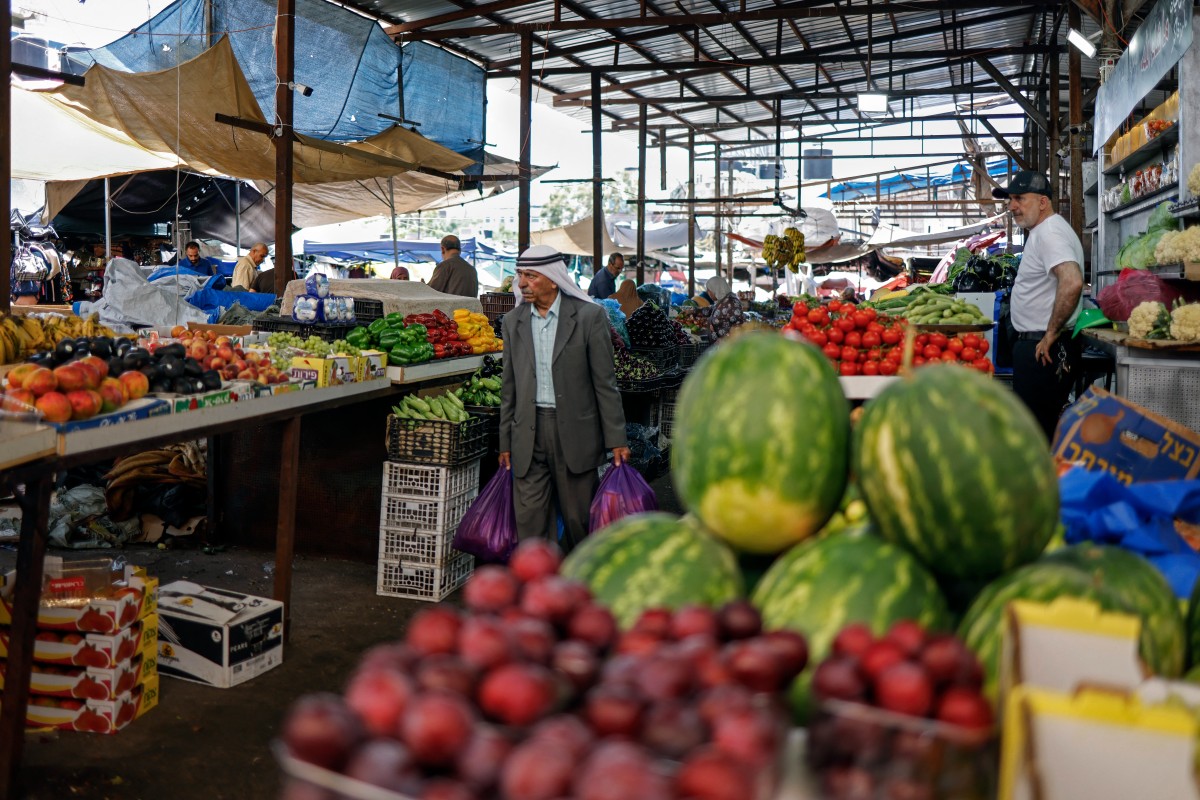
On Wednesday, the Palestinian minister of finance and planning, Estaphan Salameh, proposed the creation of a public gasoline company, Agence France-Presse reported. The West Bank currently imports all of its fuel from Israel, which has occupied the territory since 1967.
Palestinian businessman Samir Hullileh told AFP the Palestinian Authority’s fiscal problems were the primary driver of the crisis, and a public company would not resolve present or future shortages.
Mardi said the crisis was a reflection both of the ongoing fuel shortages and a tightening of restrictions on the movement of Palestinian, particularly in areas around settlements such as Ariel.
“In recent weeks, as fuel supplies have dwindled, Palestinians have increasingly turned to nearby settlements where access is possible,” she said.
“Entering Israel requires permits, so settlements became the most accessible alternative, especially for laborers.”
That access, however, has been affected by a deteriorating security situation. New restrictions were imposed following an incident in the village of Tell, near Nablus, on July 24 when more than 20 Israeli settlers from Havat Gilad reportedly attacked homes on the eastern edge of the village. Residents initially repelled them but the settlers returned alongside Israeli soldiers. Four Palestinians, an Israeli settler and an Israeli soldier were killed, according to media reports.
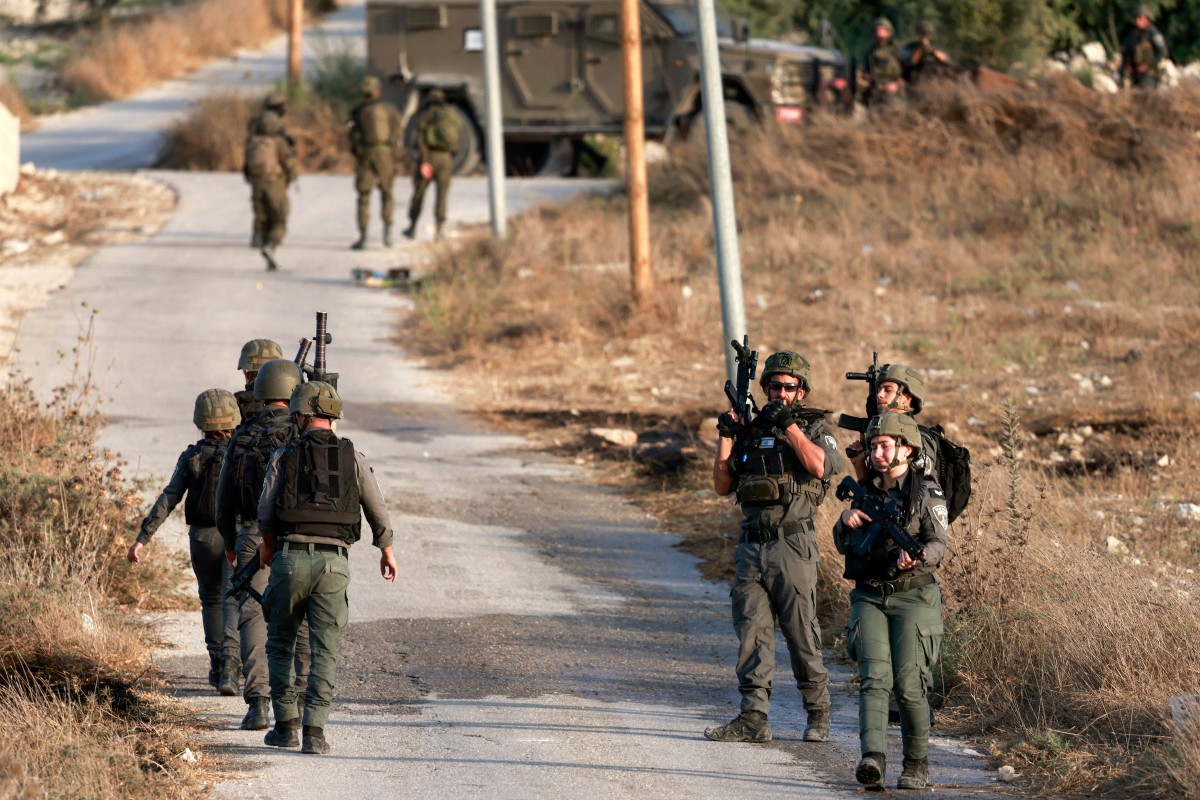
Since then, the West Bank has experienced intensified violence, including raids, road closures, demolitions and arson. Israeli authorities have introduced measures restricting Palestinian access to certain areas, including settlements and parts of Israel and Jerusalem, Mardi said.
“These restrictions, which took effect starting Sunday, have left many workers without jobs until further notice,” she said.
“In practice, they have also cut off access to fuel in settlements, which had become a crucial workaround.”
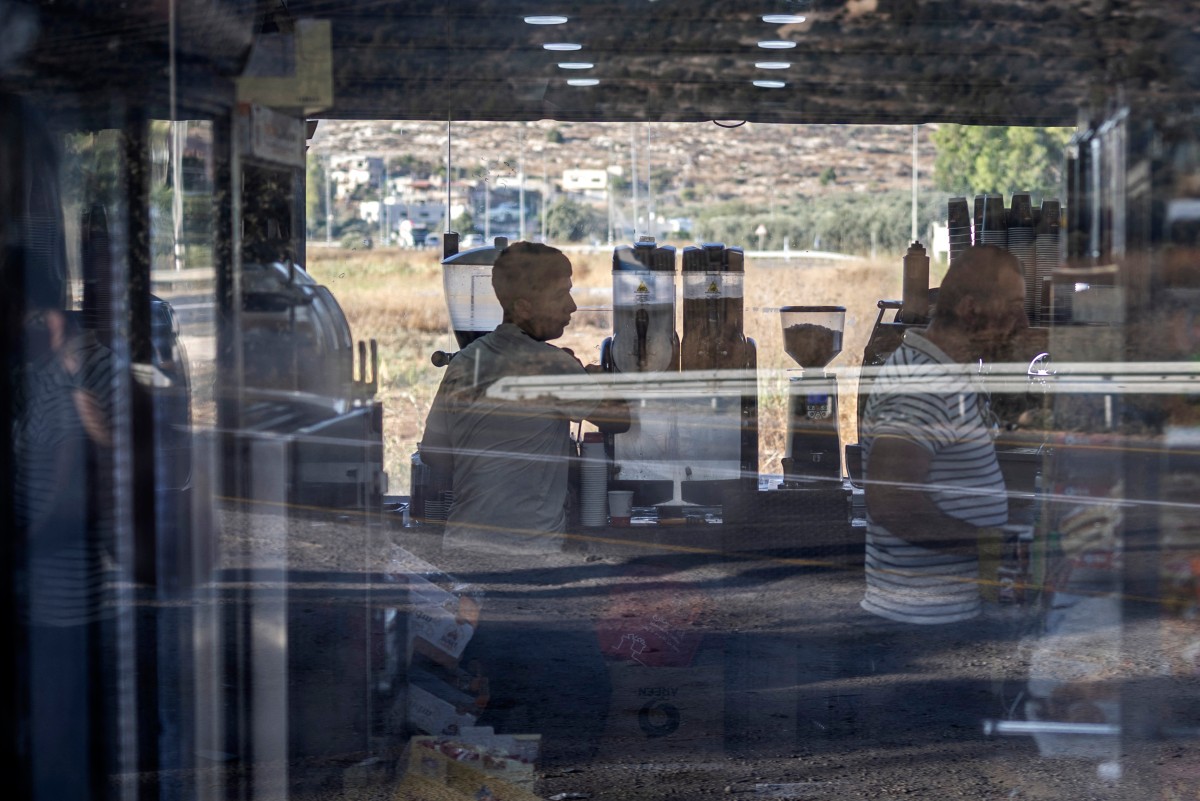
Enforcement of the restrictions varies by location. In some areas, particularly where gas stations lie outside settlement gates, Palestinians have continued to refuel. Mardi said Maale Adumim, Kfar Adumim and the Mishor Adumim industrial zone as examples of places where this was possible, underscoring the uneven application of restrictions. In Khan Al-Ahmar, meanwhile, the situation remained fluid and subject to change.
In response to the restrictions, Palestinians have developed informal coping mechanisms, including mobile applications that alert users when fuel becomes available at specific locations. Still, Mardi stressed, the crisis is far from limited.
“It has added another burden to people already struggling,” she said. “Some still had jobs, even if low-paying or irregular. This crisis was the final blow for many.”
Pressures both from the Israeli policies and internal Palestinian challenges have compounded the situation, she added: “Everyone is under strain and that strain is being passed along. In the end, ordinary people are the ones paying the price.”