- Morocco considers Ceuta and Melilla remnants of colonial occupation whose return is necessary to complete its territorial integrity
- Spain insists the two enclaves and flashpoints for irregular migration are integral parts of its territory and refuses to discuss sovereignty
LONDON: Ceuta and Melilla, two Spanish-controlled cities on Morocco’s Mediterranean coast, remain at the heart of one of the world’s longest-running territorial disputes.
In recent times, they have become key points in Europe’s migration-control system. Spain depends heavily on Moroccan security forces to stop migrants from reaching the cities. When relations deteriorate, Madrid frequently accuses Rabat of easing border enforcement to apply diplomatic pressure.
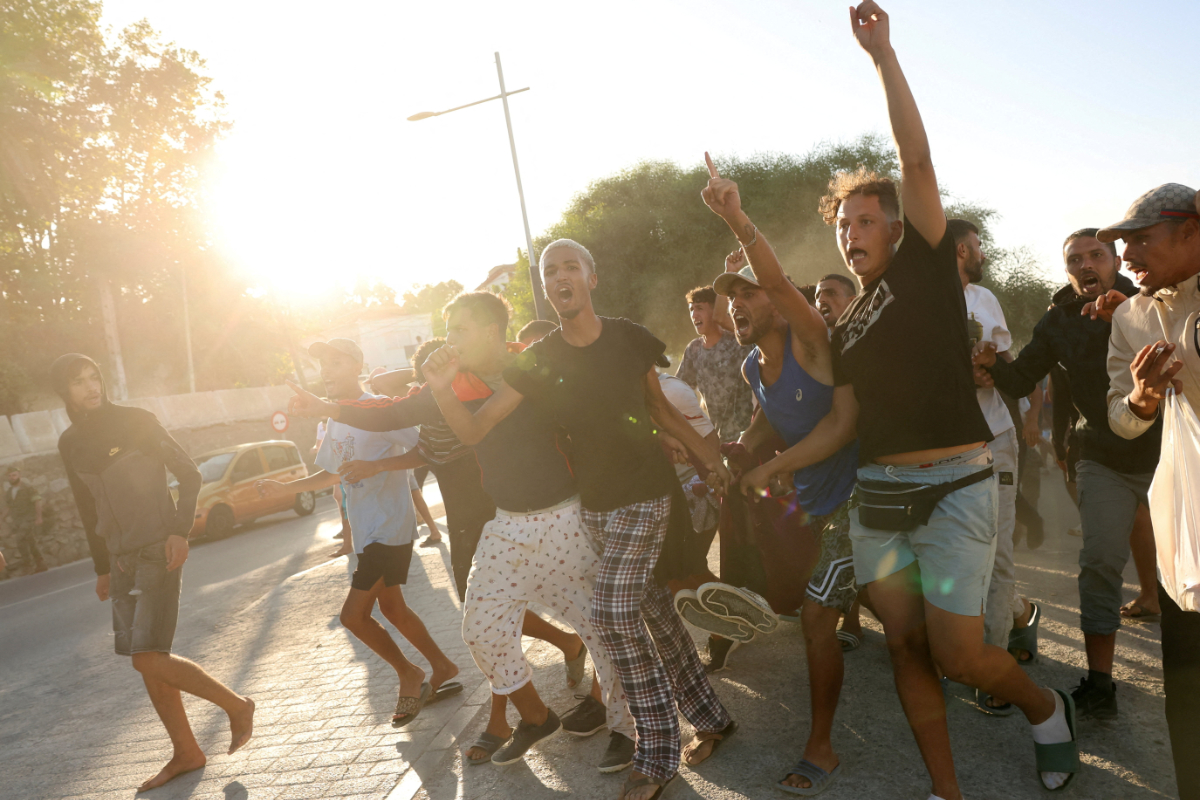
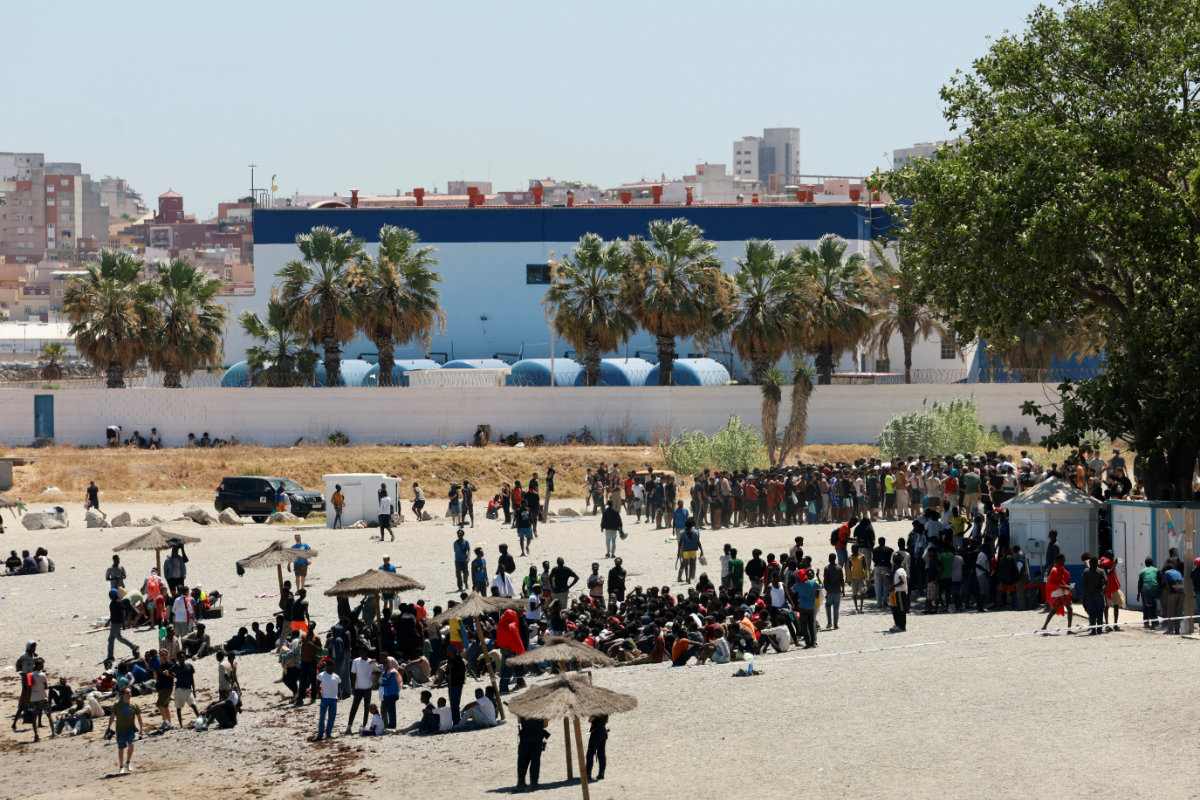
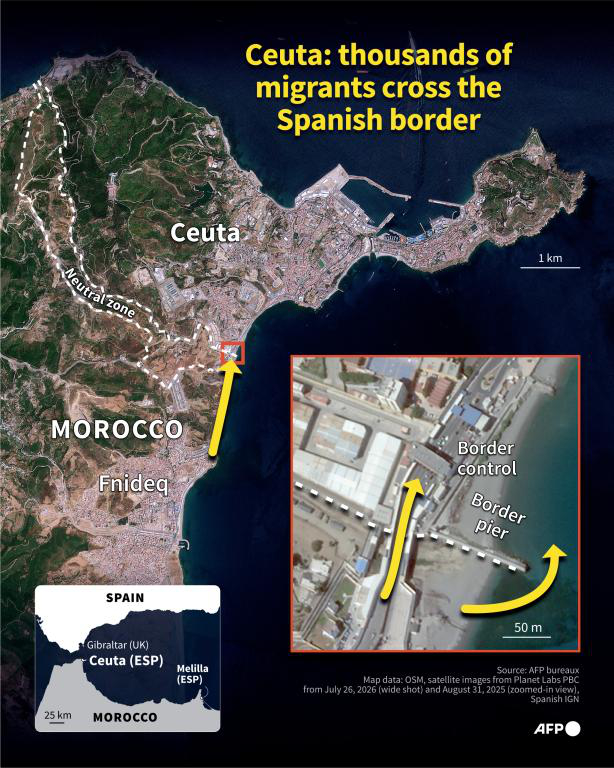
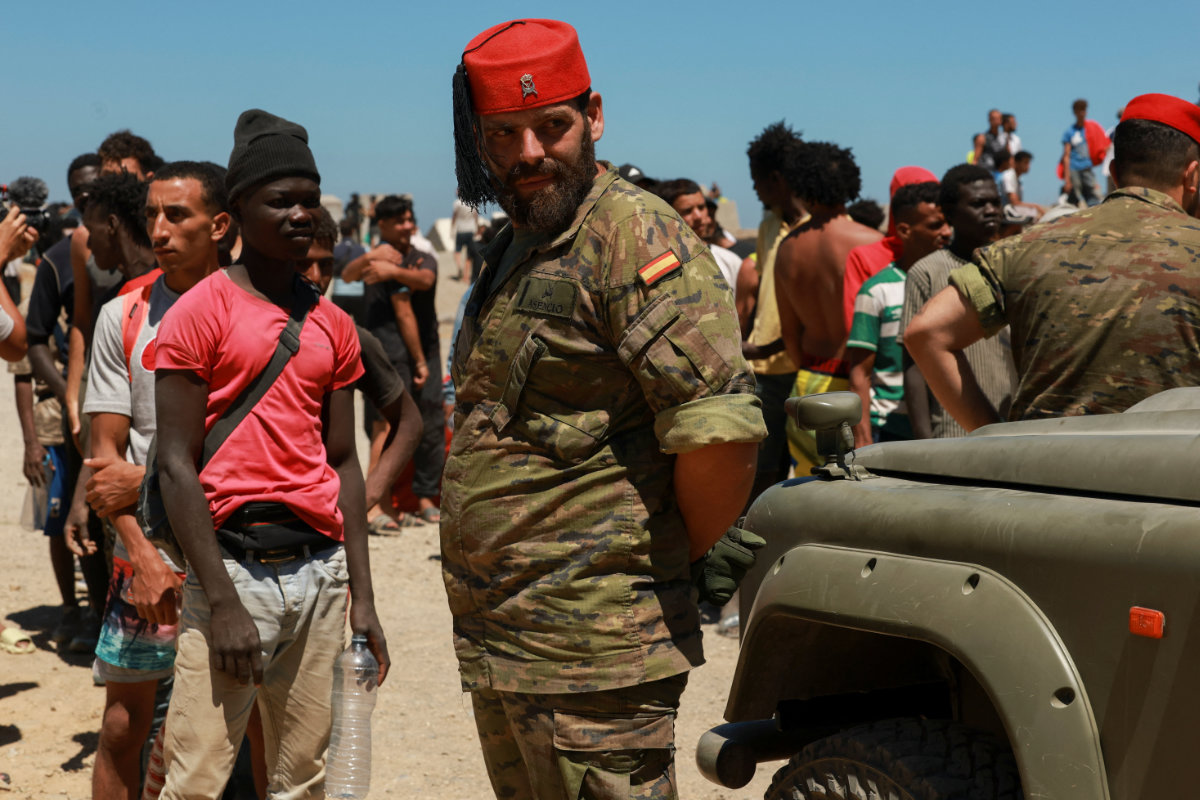
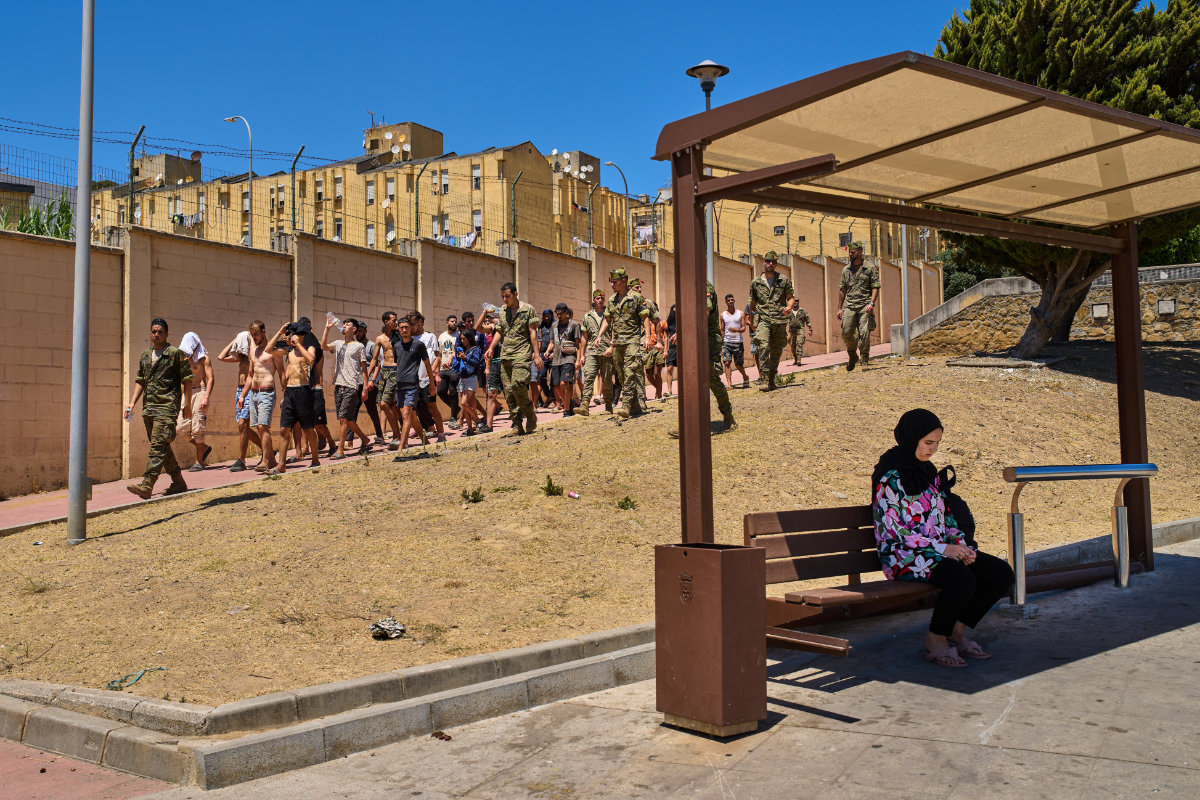
Predictably, the sudden, unauthorized arrivals on Thursday and Friday of 50,000 to 60,000 mostly young men from the Moroccan side stirred up diplomatic and political storms.
The humanitarian crisis caused by the rush of people has also reopened the debate concerning immigration into Europe and beyond..
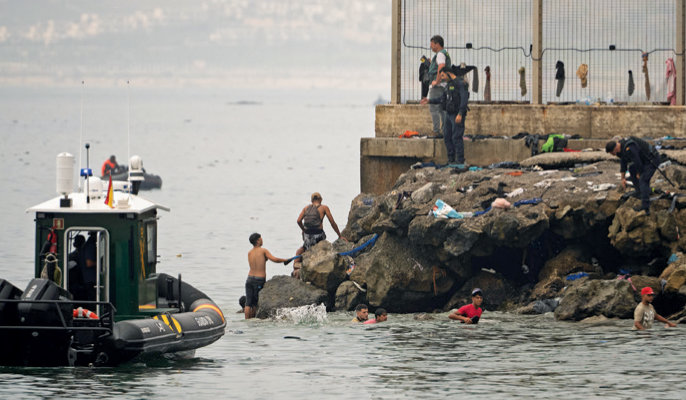
Most of those who swam, scrambled and later charged into Melilla had reportedly walked back to Morocco by Sunday, while others tried to blend in and stay on, according to news agency reports.
At least 72 migrants died, including some who drowned and others who were killed in a stampede to cross a breakwater barrier, according to Spanish authorities.
Madrid regards Ceuta and Melilla as fully integrated parts of the Spanish state. Rabat considers them remnants of European colonial expansion whose return is necessary to complete Morocco’s territorial integrity.
The dispute has largely been managed through diplomacy, but tensions over migration, customs, security cooperation and Western Sahara repeatedly bring it back into focus.
Ceuta lies opposite Gibraltar at the entrance to the Mediterranean, while Melilla sits farther east near the Moroccan city of Nador.
Both are surrounded by Moroccan territory and separated from mainland Spain by the Mediterranean Sea. Spain administers them as autonomous cities whose residents hold Spanish citizenship and vote in Spanish and European elections.
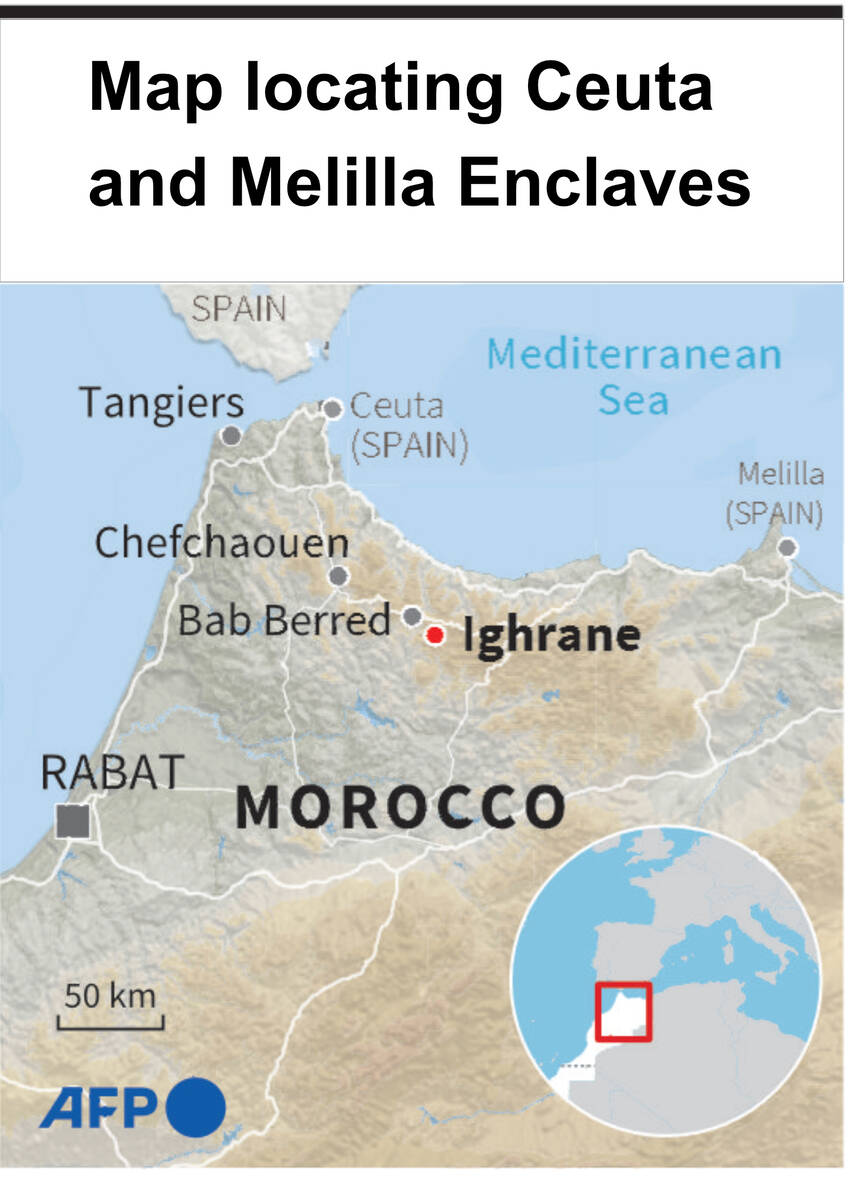
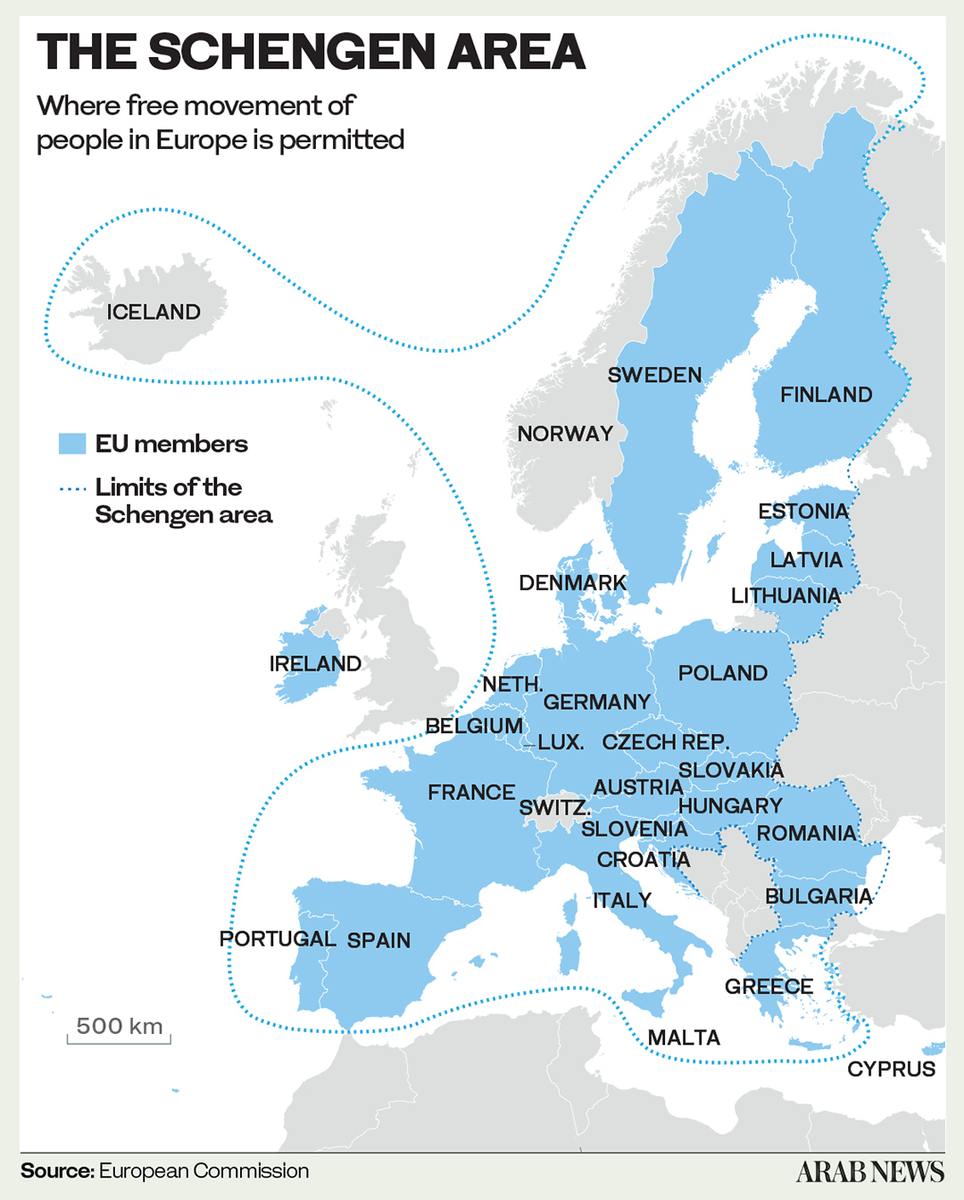
They also form the EU’s only land borders with Africa, making them major flashpoints for irregular migration.
Spain controls several smaller islands and rocky outposts along Morocco’s northern coast, which Rabat regards as part of the same unresolved territorial issue.
Ceuta was captured by Portugal in 1415 and later passed to Spain. Melilla was seized by forces serving the Spanish Crown in 1497.
Spain argues that its control predates the establishment of its protectorate over northern Morocco in 1912 and therefore differs from its later colonial rule.
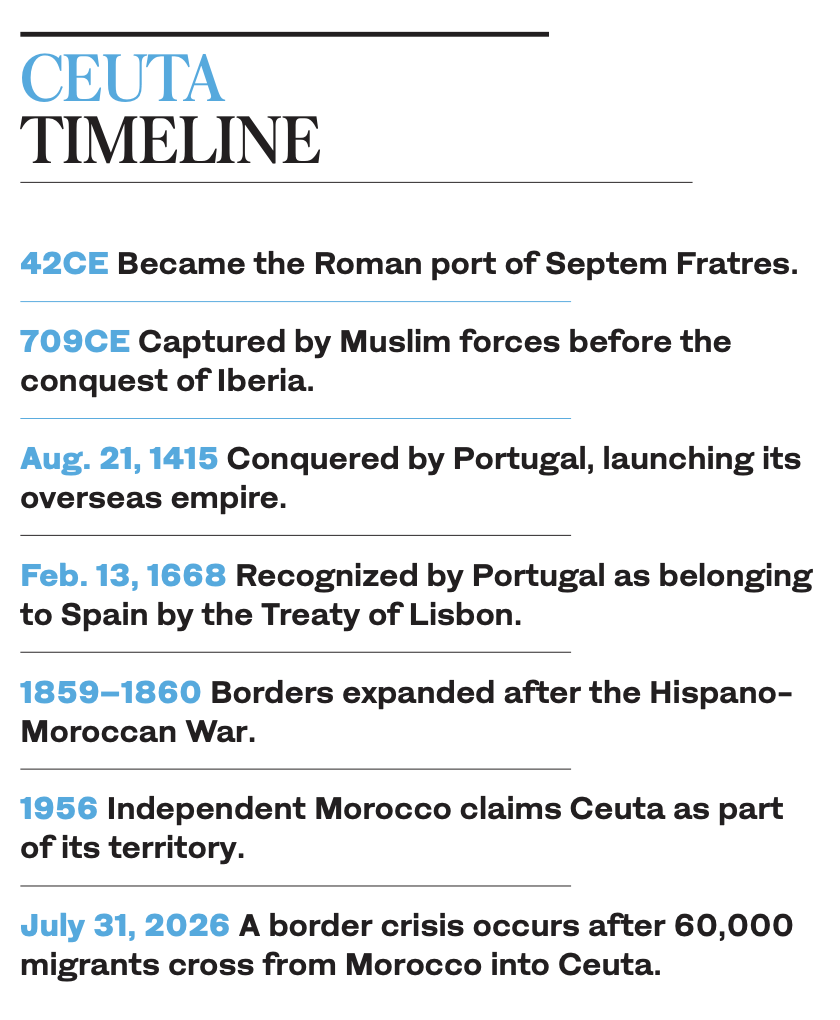
Morocco rejects that distinction. From Rabat’s perspective, the cities were acquired through military conquest, and the age of an occupation does not remove its colonial character.
When Morocco regained independence from France and Spain in 1956, Madrid retained Ceuta, Melilla and several smaller territories.
Spain later returned Tarfaya in 1958 and Ifni in 1969, but kept the two northern cities.
Morocco argues that its decolonization remains incomplete.
Its case rests on geography, historical continuity and territorial integrity. Both cities sit on the African mainland, depend heavily on surrounding Moroccan regions and have no land connection to Spain.
Rabat also argues that European conquest interrupted Moroccan sovereignty over its northern coast rather than creating an unquestionable permanent right of possession.
Morocco raised the issue at the UN in 1975, describing the cities and nearby Spanish-held territories as remnants of colonial occupation.
Although Rabat has generally pursued the claim through diplomacy, it has never formally recognized Spanish sovereignty over them.
Madrid rejects the colonial label and insists Ceuta and Melilla are integral parts of Spain.

Its position is based on centuries of continuous administration, constitutional incorporation and the wishes of the cities’ present-day populations.
Spain also points out that Ceuta and Melilla are not included on the UN list of Non-Self-Governing Territories.
That gives Madrid a strong advantage under the current international order.
Morocco’s supporters, however, argue that the legal and political structures created by the administering power cannot alone erase the circumstances in which the territories were acquired.
The most obvious comparison is Gibraltar.
Spain continues to demand the return of the British-controlled territory at the southern tip of the Iberian Peninsula, arguing that foreign sovereignty there violates Spanish territorial integrity.
Morocco asks why the same principle should not apply to Spanish-controlled territories on the Moroccan coast.
Madrid rejects the comparison, saying Gibraltar is formally classified by the UN as a Non-Self-Governing Territory while Ceuta and Melilla are constitutionally incorporated into Spain.
From Rabat’s perspective, however, Spain applies one standard on the European side of the Strait and another on the African side.
No international court has issued a binding ruling on sovereignty over Ceuta or Melilla.
Spain exercises effective control, the residents hold Spanish citizenship, and the territories are treated internationally as Spanish-administered cities.
This means the legal status quo favors Spain.
But Morocco argues that the absence of a UN decolonization process does not amount to a ruling against its claim. It sees the dispute as a political and colonial question that has never been properly adjudicated.
Madrid is also unlikely to accept sovereignty negotiations, and many residents of the cities would oppose incorporation into Morocco.
Any future settlement would therefore require a long-term negotiated process involving guarantees for citizenship, local autonomy, religious and cultural rights, and economic access.
Such an outcome remains distant.
Spain controls Ceuta and Melilla because Iberian forces captured them centuries ago and Madrid has retained the power to administer them ever since.
That long period of control has strengthened Spain’s legal and political position, but it has not erased the colonial circumstances in which the cities were acquired.
Morocco’s claim is complicated by the cities’ integration into Spain and the identity of their current residents.
Yet Rabat’s central argument remains powerful: European sovereignty over fortified territories on Morocco’s coast is a surviving legacy of colonial expansion.
Until Spain accepts that the issue is open to discussion, Ceuta and Melilla will remain symbols of what Morocco considers an unfinished process of decolonization.
On Sunday, shops in Ceuta reopened, and the usual blend of residents and tourists in the city of 84,000 was filling the open-air terraces, restaurants and cafes, the Associated Press news agency said.
“It’s not the young men’s fault,” said Mohamad Abdelkader Driss, 44, a waiter at a fried fish restaurant in town. “If you open the border, of course everyone comes in, but the young men aren’t to blame. The authorities are responsible.”