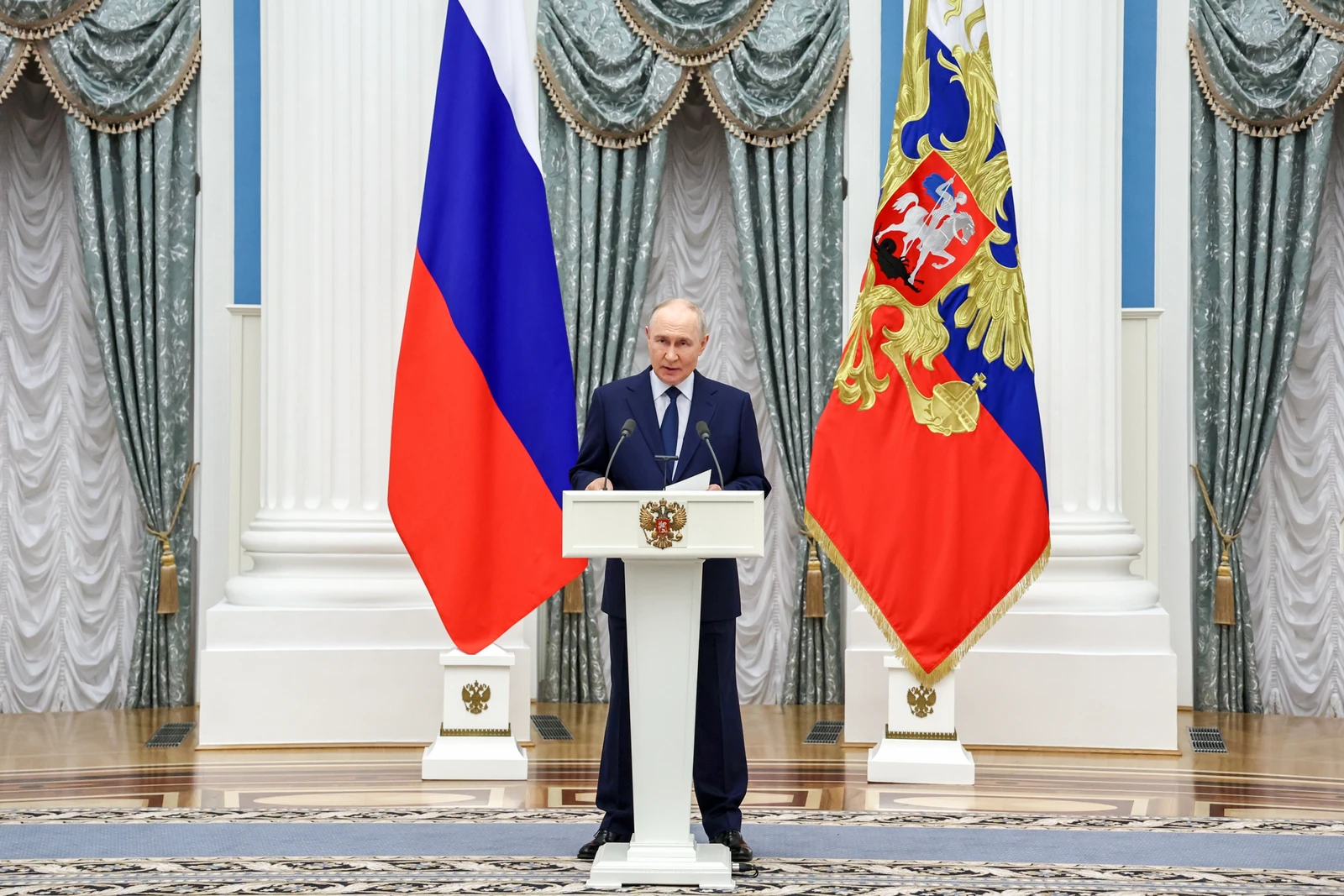
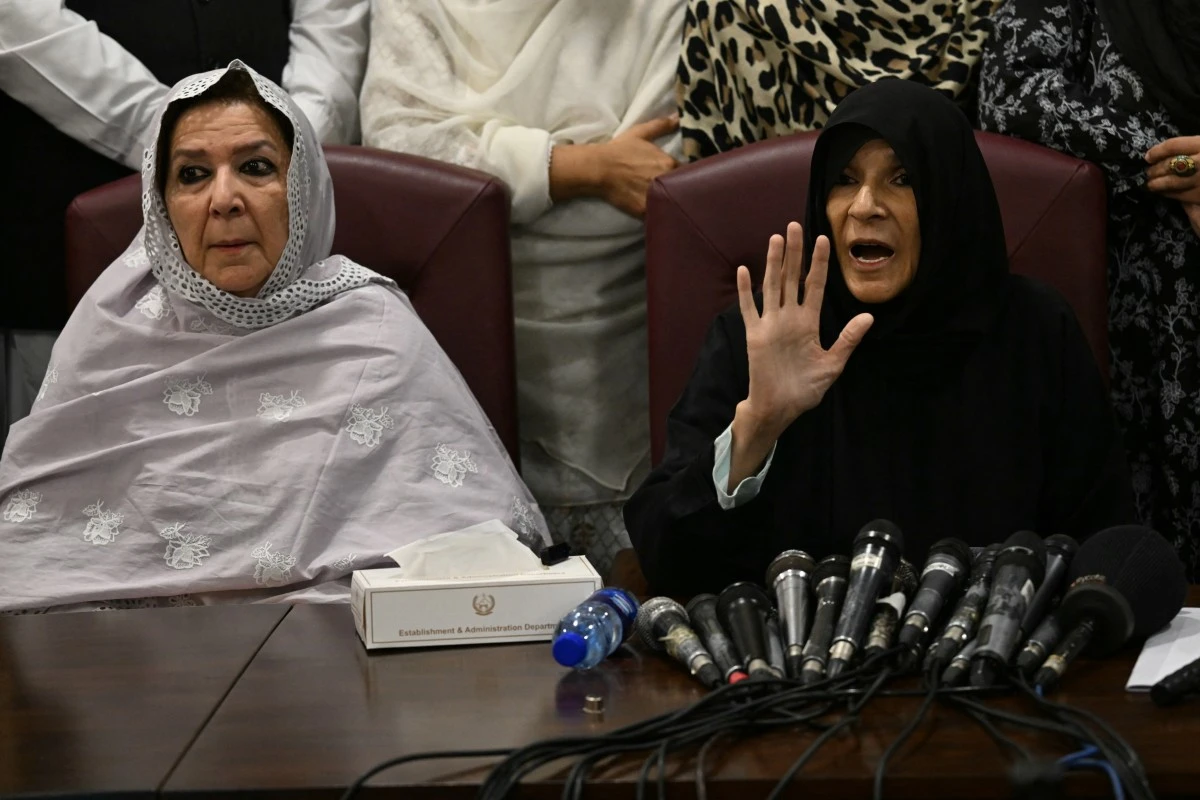
CAIRO, 28 December 2005 — The newly formed Arab Parliament convened for the first time yesterday in Cairo, the latest effort by the Arab League to revitalize its activities in the region. Arab League Secretary-General Amr Moussa and Egyptian President Hosni Mubarak addressed the 88-seat interim Parliament’s inaugural session at its temporary venue at Arab League headquarters in Cairo.
Current MPs — four from each of the League’s 22 members — were nominated by their countries and will serve for a five-year period. The birth of the new institution, Mubarak told delegates, was in line with “the aspirations of our people for greater democracy.” Moussa agreed, saying that the creation of the Parliament was proof that “development of democracy in the Arab world was underway.”
MPs later elected Mohammed Jasim Al-Saqr of Kuwait as the first speaker of the Arab Parliament for the coming five years, said Arab League spokesman Alaa Rushdi. Saqr, who has been head of the Kuwaiti Parliament’s foreign relations committee, has an initial term of one year, the Egyptian state news agency MENA said.
A permanent Arab Parliament will eventually be based in the Syrian capital Damascus and aims to become a fully fledged elected legislature modeled on Europe’s Strasbourg-based assembly. Mubarak called the inaugural session “a historical occasion which opens new horizons for joint Arab action.” But Rawhi Fattouh, speaker of the Palestinian legislature, said the Parliament would be valuable only if it kept an eye on the actions of Arab governments. “It must be a monitor of Arab executive institutions, but if it is just a union of parliaments then it’s not going to be important,” he told reporters after the meeting.
The concept of the Arab Parliament was part of a package of institutional changes promoted by Moussa as a way to make the Arab League a stronger and more effective institution. But Arab heads of state have not approved other aspects of the package, including an Arab court of justice and an Arab security council to handle regional disputes.