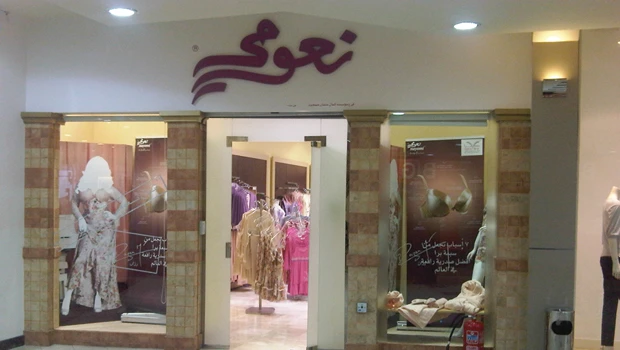
- JEDDAH: More than four years after the Labor Ministry requested lingerie shops replace male sales clerks with women, a regional chain has started experimenting with this policy.
“We immediately hired women after the Labor Ministry’s request (in 2005), but we encountered some issues,” said Sarah Bin Sahal, area retail manager for the Nayomi lingerie chain.
Nayomi operates more than 30 lingerie outlets, about a third of the stores are “women-only” shops, meaning that men cannot enter.
The two experimental branches — both in Jeddah — employ women in “family only” stores, meaning only men and women who are married or related can enter. The rest of the Nayomi stores use male sales clerks like most lingerie shops.
In 2005, the Ministry of Labor asked lingerie shops to begin moving toward women-only staff, giving them a two-year deadline, that has long since lapsed.
Four years later, only a few shops have attempted to adhere to the ministry’s noncompulsory order and try out female sales staff in places where men can enter.
Confusion among lingerie shop owners lingers. If they employ women sales staff, especially Saudi women, do their establishments need to be converted into “women-only” stores or can men enter them if accompanied by a female relative? Will they have problems with the religious police if they go for the latter and have Saudi women sales clerks attending male customers? Nayomi will be the first lingerie outlet to find the answers to these questions after trying the “women-only” model and encountered problems. Having a “women-only” retail space requires investment in structural alterations to the premises including eliminating one of the most important elements: An attractive storefront display that invites customers inside. Stores that cater only to women cannot have windows where people on the outside can see in.
“We found it really hard to attract costumers in an ‘women-only’ shop since we couldn’t display our merchandise on the storefront,” she said.
These “women-only” establishments also require a security guard to keep men out.
Another problem, said Sahal, is that these converted shops cannot compete with those employing male sales clerks: Those shops have inviting storefront displays to draw in the customers, men and women. “After all the trouble we went through, we found out that the (ministry’s) initiative was optional,” said Sahal, referring to the 2005 Labor Ministry request that lingerie shops stop using male sales clerks. “Women-only lingerie stores have another significant drawback: Men are sometimes welcome. “Women don’t always want to shop without their husbands,” she said. “Most of the times the husbands are the ones paying.” One of the reasons behind getting salesmen out of these stores and replacing them with women is to open up part of the services industry to Saudi women. Hiring Saudi women as sales clerks in lingerie shops has been seen as an obvious starting point.
But Sahal says retail storeowners are also encountering problems with “unqualified saleswomen” and high employee “turnover.”