Vladimir Putin has made an art of turning weakness into strength. As Russian and Syrian forces pound Aleppo in the biggest assault of Syria's five-year civil war, the Russian president clearly has emerged as a dominant force in the Middle East. Two years ago Russia had virtually no presence in the region, aside from a naval base in Syria. Today Moscow's fighter jets and missiles fly over Syrian, Iranian and Iraqi airspace.
Over the last year, Putin has inserted Russia into the Syrian conflict and shored up the regime of President Bashar Assad as it was on the verge of collapse. The Russian leader has forged a quasi-military alliance with Iran that has allowed him to project power in the Arabian Gulf — something that has evaded Moscow since the end of World War II.
If that wasn't enough, Putin's relationship with Turkey, which seemed to be on a collision course after Ankara downed a Russian fighter jet last year, has now warmed to the point where Putin and Turkish President Tayyip Erdogan are about to restore full diplomatic relations. All the while Putin has maintained a close and productive relationship with Israeli Prime Minister Benjamin Netanyahu.
How is Putin able to maneuver the shifting sands of the Middle East so effectively and forge ties with countries that are seemingly at odds with each other? Why has Russia been more effective than the United States in furthering Moscow's own agenda in the region?
Putin is able to quickly identify Russia's foreign policy interest in a given conflict and commit resources to it — and then abruptly change course once Moscow's core interest has either been met or has changed.
Since the 1979 revolution in Iran, the United States has aligned its interest in the Arabia Gulf with countries such as Saudi Arabia, Kuwait and Qatar. In turn, these countries have invested heavily in the United States — from buying US debt, to investing in real estate and buying billions of dollars in American military hardware.
The relationship between Riyadh and Washington remains particularly strong. These countries feel that Washington is obligated to share their view of the Middle East, which means backing them regardless of whether any conflict they engage in is against the interest of the United States. They have no such influence in Moscow. Even as Moscow backs Iran and the Assad regime in Syria, Arab leaders continue to court Putin and look for ways to collaborate with him. Saudi Arabia, for example, is currently trying to coordinate with Moscow on how best to stabilize oil markets and want Putin to pressure Iran to do the same.
Russia's partnerships are based on cold, hard realism. Putin's sole aim is to further Moscow's interest. He's unburdened by a legacy of alliances that do not serve Russia's strategic aims. He supports Damascus, Tehran and the Shiite government of Iraq because he views extremism as a long-term threat that has destabilized countries in the Middle East, and which he fears could wreak havoc in countries close to Russia's borders. Yet this coordination and collaboration with Shi'ite Iran doesn't preclude him from working with Sunni Arab states to promote trade for Russian industry and its atomic energy program.
Putin is doing all of this while remaining close to Netanyahu. Even though Putin is working with Syria and Iran — Israel's mortal enemies — he has convinced Netanyahu that these alliances are not meant to threaten Israel's existence, but rather serve a larger purpose of defeating "Sunni extremism." Russia continues to cooperate with Israel in diverse fields such as energy, agriculture and arms. Russia and Israel also maintain close military contacts and Putin is careful not to transfer offensive weapons to Israel's foes.
Juxtapose this with how Netanyahu treated Obama and interferes in US domestic politics. In the run-up to the Iran deal, Netanyahu used the influence of AIPAC and other pro-Israel lobbying organizations to try and undermine a sitting president and scuttle his signature foreign policy achievement.
As long as Russia has a more nimble and opportunistic approach to the region, Washington will have a hard time confronting it — and Moscow's influence will continue to grow.
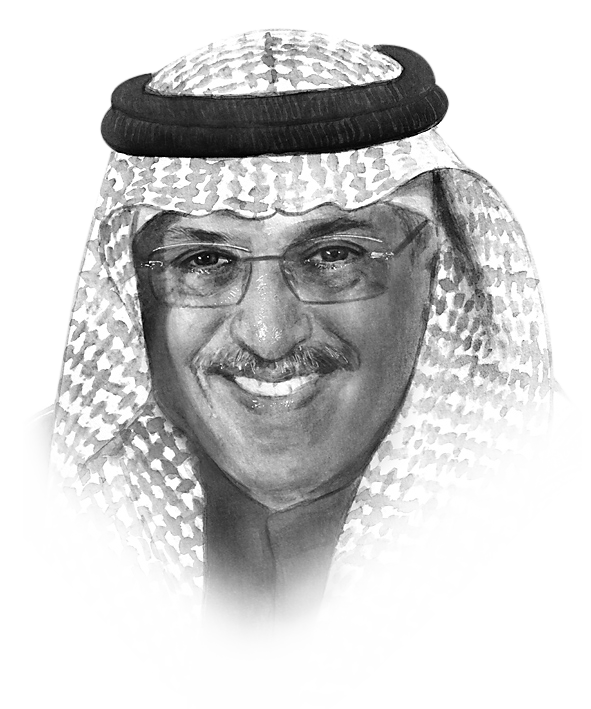
• Amir Handjani is a fellow with the Truman National Security Project and Board Member of the Atlantic Council. The opinions expressed are his own.