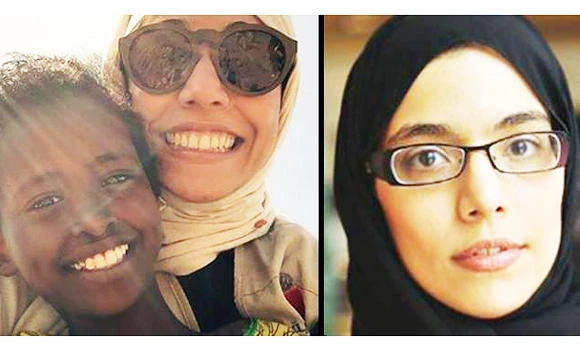
Saudi kindergarten teacher and elocution expert Bahisa Al-Arabi has launched a worthwhile initiative under the slogan ‘Be a Different Bride.’ She encourages brides to support a social project instead of focusing on an extravagant wedding. As a role model, she chose to forgo holding a luxurious wedding and donated money to a poor village in the small horn of Africa country Djibouti, to provide clean drinking water, build a network of watering wells and restore village homes.
In this interesting interview with Sayidaty, Al-Arabi, who gave a TEDx Talk at the University of Dammam, encouraging students to follow by example, shares her humanitarian vision.
In Arabic the name Bahisa means the language of bravery. To what extent are you affected by your name?
My dad chose my name, and I chose to be courageous and to take initiatives to please God.
As well as winning local and international awards in elocution, you have chosen to donate all your wedding costs to a poor village. Tell us about your journey.
It is a journey of a person who believed in herself and her ability to make an impact, and that God will be with those who are true to their goals. It has been an enjoyable passage, one where I have appreciated God’s grace to deliver a message and spread it.
You and your husband went to a village in Djibouti to make the donation together. Why did you choose to go there?
Djibouti was one of our choices to share the joy of our wedding, and I decided to share the bliss with all of those who are worthy, without conditions.
How did you feel when you provided a poor village with clean water services?
The need to do more… God uses us to help our brothers.
What things did you notice in Djibouti besides poverty? What about the status of women and education, for example?
There is hope in the Rahma development complex, which educates children in three languages, trains girls in sewing skills and sends boys to college to study engineering. Despite the pain and hardships it may require to give them a better future, we should contribute and lend a helping hand.
How did you get the idea of donating money to help poor villages, rather than having a costly wedding?
Weddings are a declaration of joy, but have turned into a lot of exaggeration. The call came to share true happiness with those who don’t have it and deserve it, for the feeling of happiness to spread.
Did your family influence you to help the poor?
Certainly, they have had the greatest impact in helping me to perform all the rightful duties with love.
Who else set an example for you?
My husband and I follow Abi Dahdah and his wife’s steps, God bless them.
There are poor people in Saudi Arabia as well. How come you chose to go to Djibouti?
Our kin deserve our good deeds, and as I said earlier Djibouti was a choice.
Do you have other ideas to help motivate Saudi women to be philanthropic?
Constructive ideas gain greater strength when implemented, so I have to work more to motivate them.
Who are your most important supporters?
I have a great team of supporters such as my mother Souad, my father Abdul Hakim and my husband Touhami. I also have my friends Mannan, Afnan, Mohammed and Hala, the students in my class and all of those who pray for me.
What other interests do you have?
I’m interested in everything that makes me a better human being, but I adore reading and poetry.
Do you have a special saying you believe in?
Break in your shoes with pride and run in the paths of goodness.
—
Email: [email protected]
A different bride: Bahisa Al-Arabi leads with example