
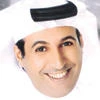

The Saudi novelist and Arabic Booker prizewinner Abdo Khaal once said that the main problem of our society is that it hides its issues so deep, it become nearly impossible to talk about them anymore. If that was the case back in the days of classical writings and traditional media it is certainly not the case now with the new social media revolution.
With more than 3,000 percent increase in Twitter accounts last year, 6 million Facebook users, and 90 million daily YouTube views, Saudi popular movement through social networks had become a serious influencer in daily life and language in Saudi Arabia.
The Saudi community found itself at the speed of a click getting the latest news, gossip, and views on every subject or concern that is happening around the clock. There is no longer a taboo on unmentionable subjects such as gender roles, sex, politics, and religion and much more, as it relatively is in traditional media.
Even the Ministry of Information had announced lately that it is an impossible task to monitor or control what people share on the Internet.
Maybe the good side of this overwhelming open space of expression is that it had stimulated traditional media to try to catch-up with the accelerating power of critique and disclosure, that the new social media players are using as a tool to expose and fight corruption. Thus we are now witnessing a noticeable increase in freedom of expression and criticism in our newspapers and TV channels.
But on the downside, a recent study by the Foundation for Defense of Democracies initiated last year for the use of radical language in the Saudi social media, found that 75 percent of the Arabic language posts reflected hate speech and hostility toward the new ideas of change, intellectual differences, and non Muslim cultures in general.
In a staggering change of fundamentalist establishment’s strategy of opposition to what they used to consider as corrupting tools of the modern technology, much of the radical hate speech has transcended with their embracement of many of the popular social media platforms, which makes it very hard to control this disgraceful behavior.
If we take into account that the international community is keeping an eye on our social media activities, since it is one of the few outlets that Saudis can express themselves with relative freedom, then we expect that the image we are portraying now is a limited and degrading one of what we could become.
A tweet: “From the streets of Cairo and the Arab Spring, to Occupy Wall Street, from the busy political calendar to the aftermath of the tsunami in Japan, social media was not only sharing the news but driving it.”
— Dan Rather


