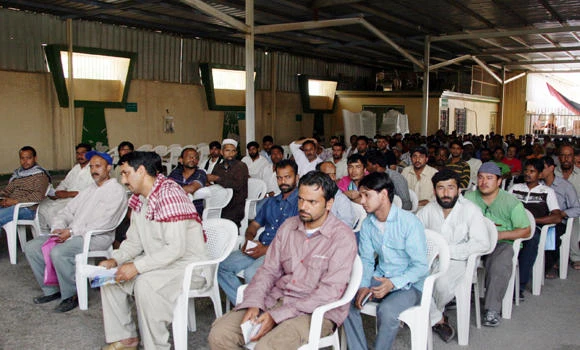
JEDDAH: The passport department in Makkah has corrected the status of more than 125,000 of 250,000 Myanmar nationals by giving them residency cards without fees for four years.
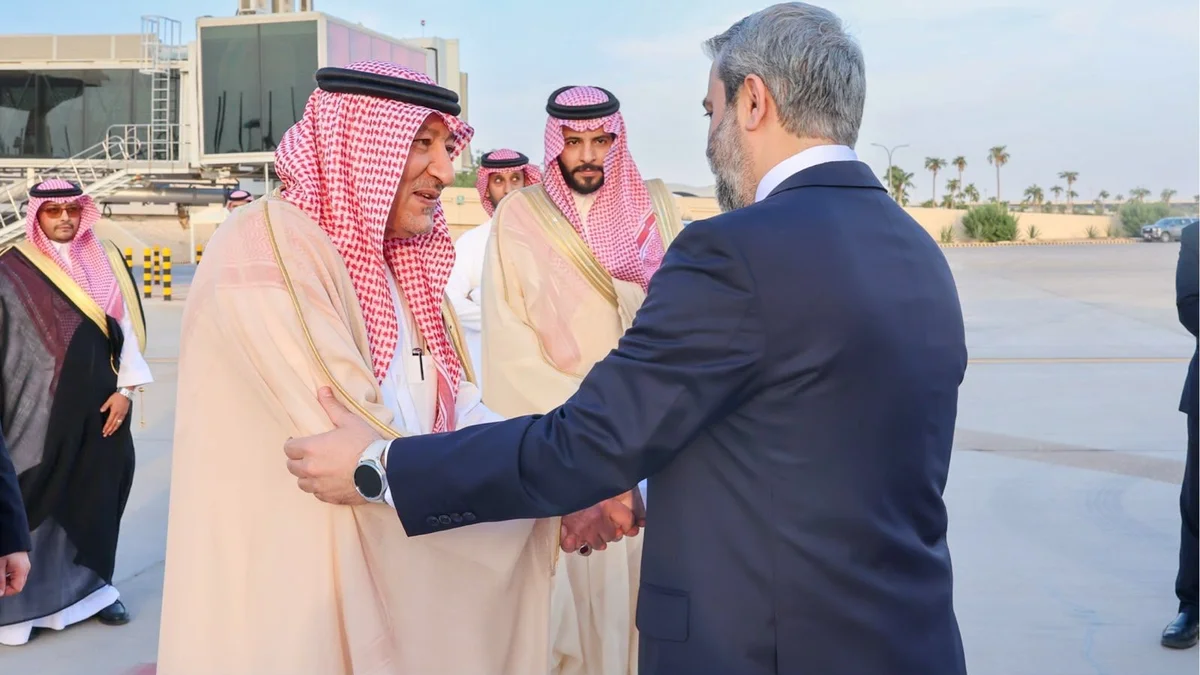
The correction process, which started following instructions from Makkah Gov. Prince Khaled Al-Faisal in 2014, has received appreciation from a delegation of the United Nations.
The process has been described as a pioneering experiment because it has been done according to humanitarian specifications, without taking ethnicity or race into consideration, local media reported on Monday.
The residency card enables free treatment, education and employment to the holder.
Local media toured the passport department accompanied by Col. Mohammad Maqboul Al-Jahni, chairman of the correction committee, and Col. Mohammad bin Abdullah Al-Hussein, official spokesman for the passport department in Makkah. Al-Hussein explained about the correction mechanism.
The procedure starts by ensuring that there are no security notices or previous criminal records.
The second stage involves the completion of the personal file which has the passport application and medical tests with a stamped printout from the labor office if the sponsor is a company or an establishment. If the sponsor is an individual, he should meet recruitment regulations in terms of financial ability and number of family members, with the identification application of the beneficiary stating his nationality, in this case Myanmarese.
The third stage involves two routes — the first relates to beneficiaries with no computer records. Data is registered on the computer and the beneficiary is then assigned to a sponsor before giving him a residency visa for four years. The second path is allocated to expatriates with computer records. Procedures involve making sure there are no criminal records or absconding reports; data is then amended and added, his sponsorship is then transferred and visa of four years is stamped.
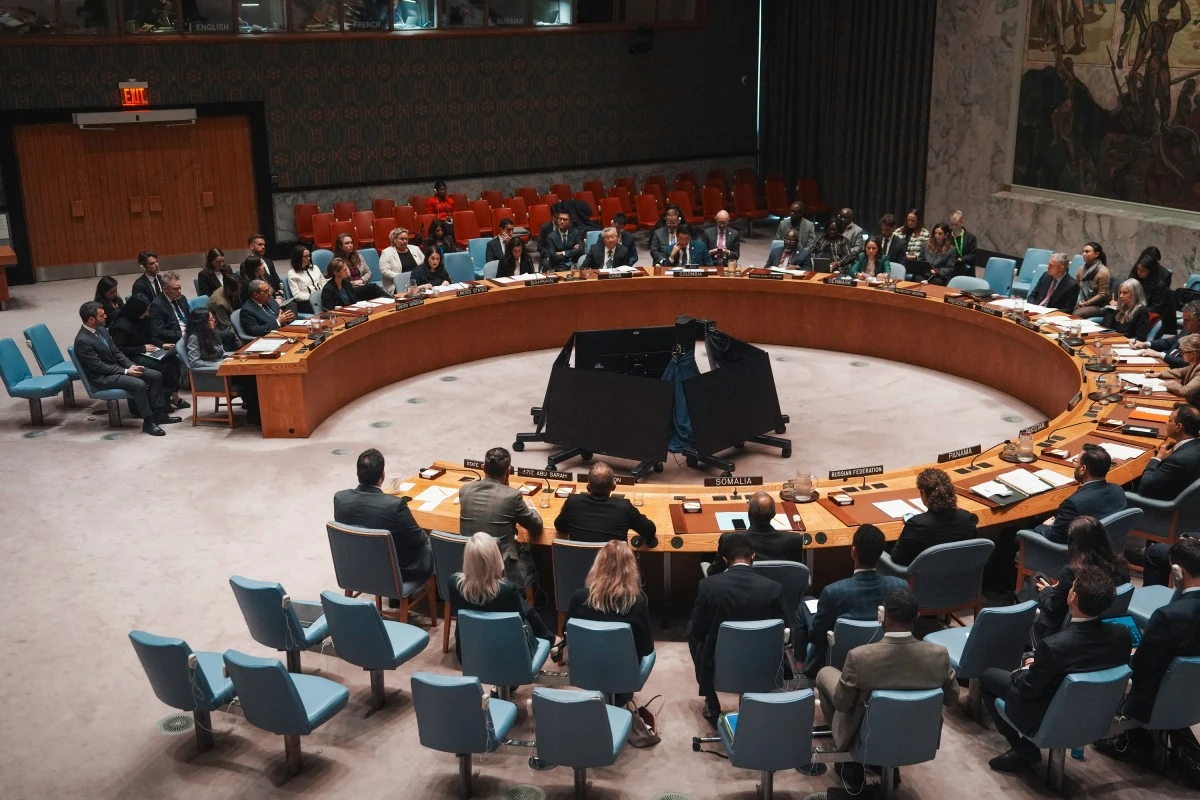
A delegation from the United Nations High Commissioner for Refugees (UNHCR) in the Gulf Cooperation Council visited the Kingdom recently and reviewed this experiment. They praised the role of the Custodian of the Two Holy Mosques for his humanitarian gesture toward them.
125,000 Myanmar expats get ID cards