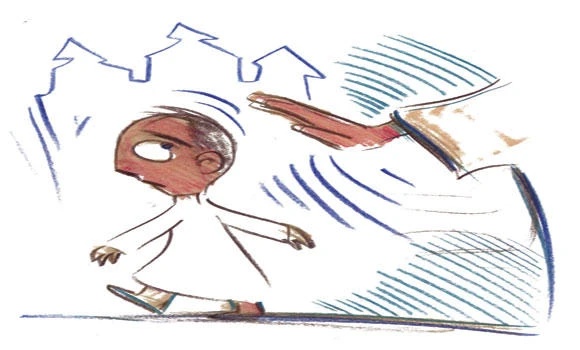
Some parents are forcing their children to work and beg at the holy sites, local journalists have discovered.
During a press tour of Arafat and Muzdalifah recently, many children were seen standing behind stalls selling cold drinks, cooked meals, mobile phones, mobile recharge cards, phone chargers, shoes, umbrellas and mattresses.
Dr. Mufleh Al-Qahtani, president of the National Society for Human Rights, urged government officials to tackle this problem. Al-Qahtani said child labor is banned under Saudi labor laws and international human rights charters.
Salah Mohammad, an 8-year-old from Burma, complained to journalists about working in the scorching heat among large piles of rubbish. He said his mother told him the Haj was an excellent opportunity to make money for his family.
“During the Haj season I sell rice my mother cooks, which is preferred by pilgrims from Southeast Asia. I also sell sweets and cold drinks,” he said.
Mohammad, who is in grade two in Al-Rusaifah neighborhood in Makkah, said he makes around SR1,500 a day, and as much as SR10,000 at the end of the season. He hands this money to his older brother who transfers it back home to his father who has financial and health problems. He said his father is confined to his home because of the current security situation in Burma.
Fayez Al-Aqil, a human rights activist, said poverty was creating this situation. Often children are also forced to beg under the guise of working.
He said many parents and family members are not educated and unaware of the grave health and psychological dangers faced by these children.
Dr. Mohammad Al-Sibai, a consultant pediatrician, said children are more prone to contract diseases because of their weak immune systems. He said children need different nutrition compared to adults, and over 12 hours of sleep at night. Working among pilgrims was very dangerous because “they can catch many diseases.”
Children forced to work at holy sites