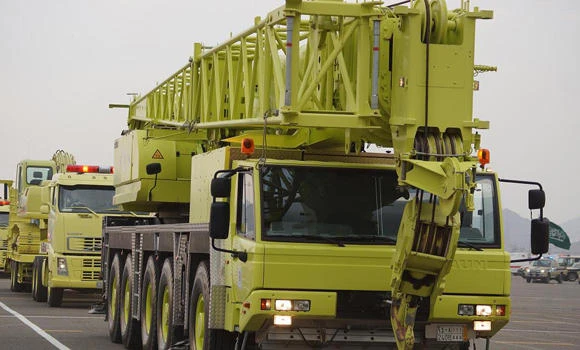
The Civil Defense in Makkah has an emergency plan in place for the last 10 days of Ramadan to deal with possible floods, fires, earthquakes and traffic accidents.
Director of Makkah Civil Defense Maj. Gen. Jameel Arbaeen said all teams are ready to deal with the expected influx of Umrah pilgrims in the coming days, which will place pressure on services in the city.
He said the plan was formulated under the guidance of Interior Minister Prince Muhammad bin Naif.
Arbaeen said the Civil Defense has identified 12 risks, including those related to the ongoing expansion inside the Grand Mosque. All this requires the presence of Civil Defense officers inside and outside the mosque.
He said the plan includes additional ambulances, rescue and firefighters. There are also medical services and emergency shelters ready for major accidents involving moving large numbers of pilgrims.
Arbaeen said the potential risks listed in the plan include the threat of fire in car parks, electricity stations, hotels, residential towers and tunnels that lead to the Grand Mosque. This is in addition to the risk of congestion and overcrowding inside the mosque and central area.
The plan takes into account the risk of strong winds, torrential rain and even earthquakes and tremors.
He said there are 120 field units for rapid fire and rescue intervention in all parts of the city, and emergency teams around the clock inside and outside the Grand Mosque. There are also teams of officers on motorcycles ready to deal with various incidents involving vehicles.
Arbaeen said the Civil Defense is using state-of-the-art technology this year to monitor the housing facilities of pilgrims and pollution levels in the tunnels of Makkah. It also uses smartphone applications to spread awareness among pilgrims of potential threats to their safety.
Civil Defense has emergency plan for Makkah