
- Prince Faisal bin Salman inaugurated a program by Darah to preserve and publish the works of pioneering historians in Riyadh
- The initiative aims to enrich Saudi Arabia's historical heritage by collecting, cataloguing, and publishing various historical materials
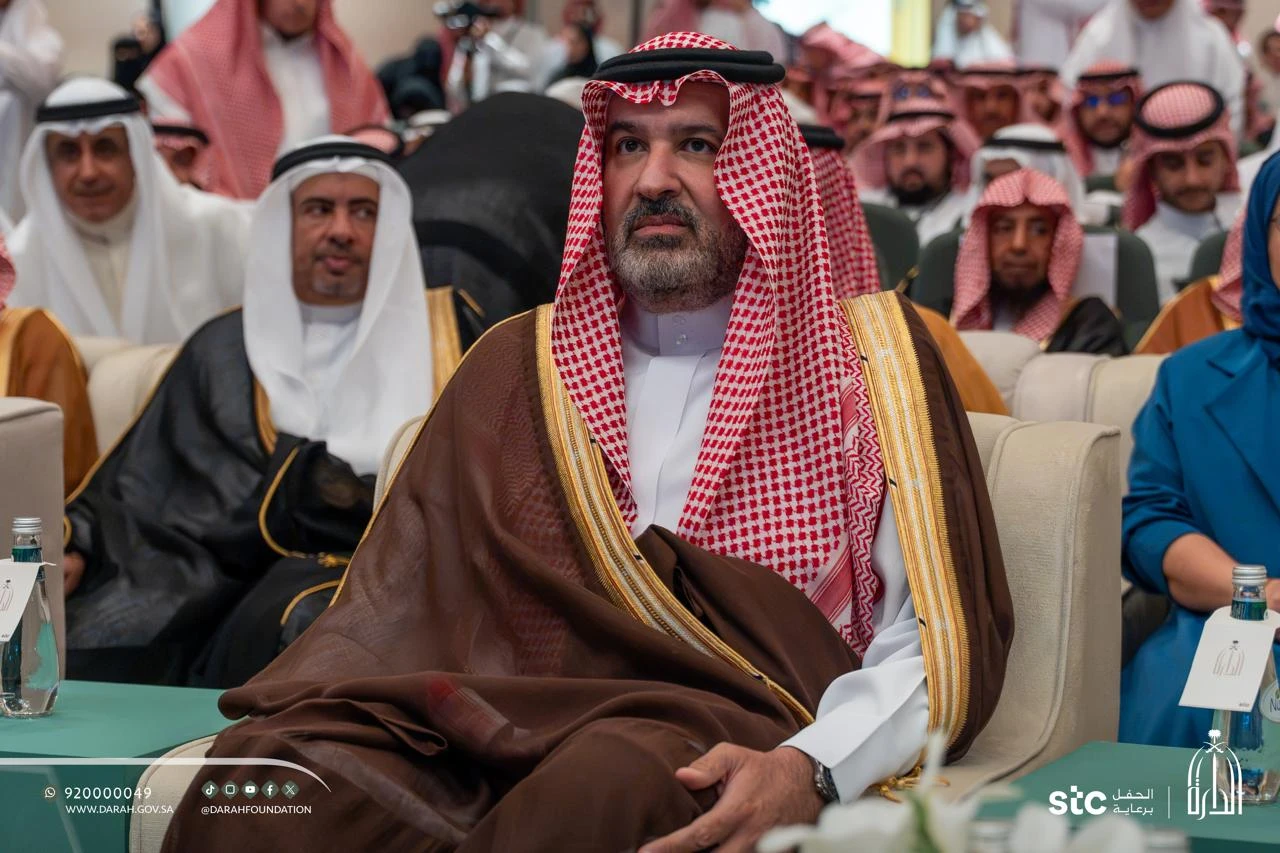
RIYADH: Prince Faisal bin Salman bin Abdulaziz, special adviser to the Custodian of the Two Holy Mosques and chairman of the King Abdulaziz Foundation (Darah), launched a scientific program in Riyadh on Wednesday to preserve and publish the works of pioneering historians.
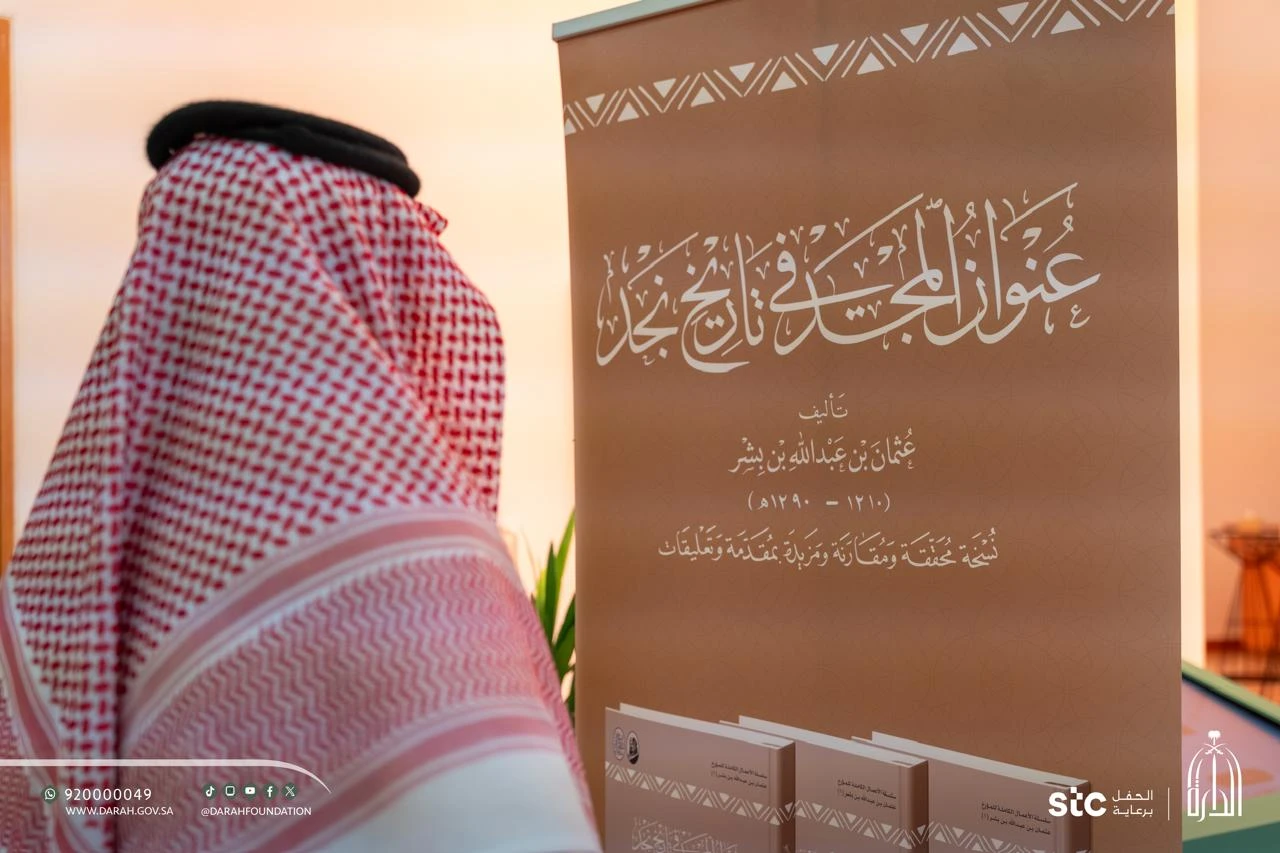
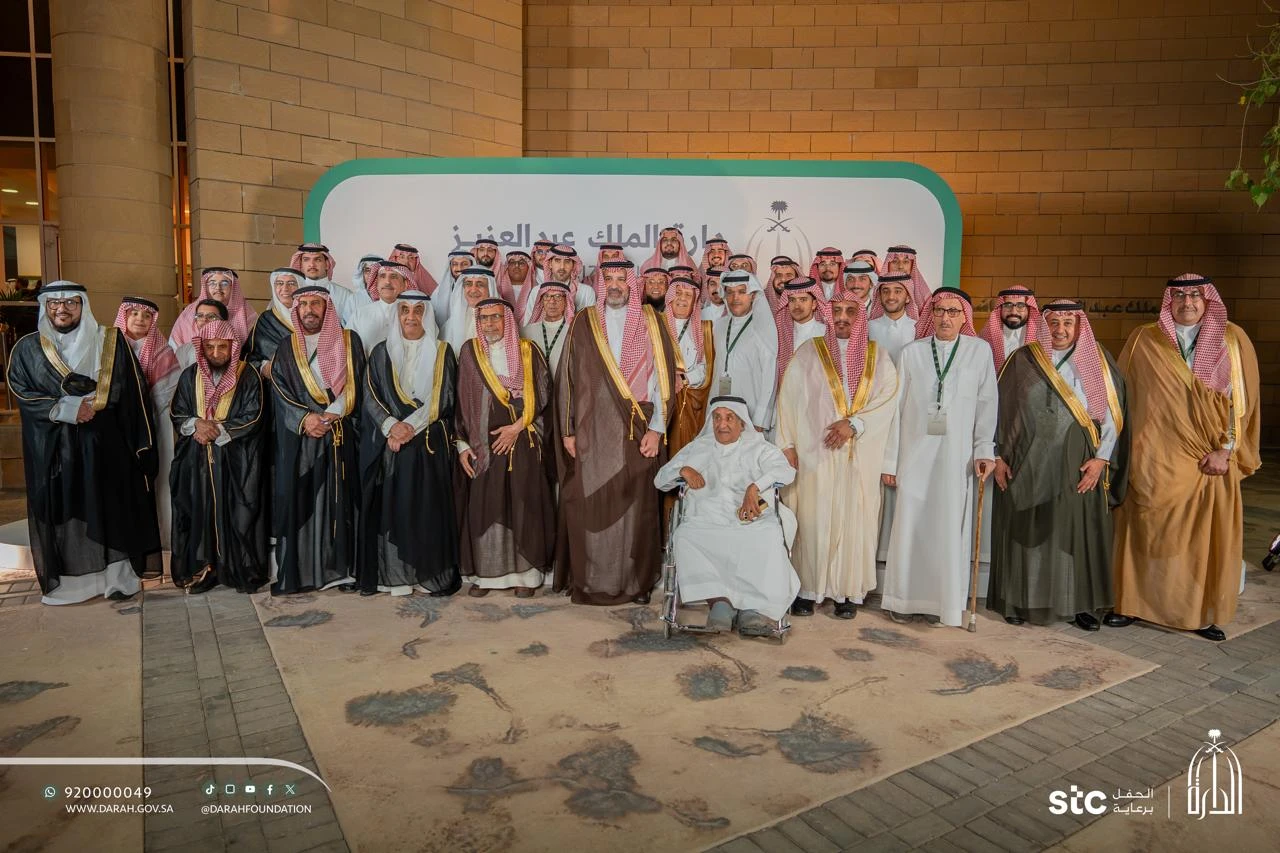
Its first project is a new edition of “Unwan Al-Majd fee Tarikh Najd” (“A Title of Glory in the History of Najd”), the landmark historical work by Othman Bin Abdullah Bin Bishr. The launch drew a large gathering of historians, researchers and others interested in the Kingdom’s history.
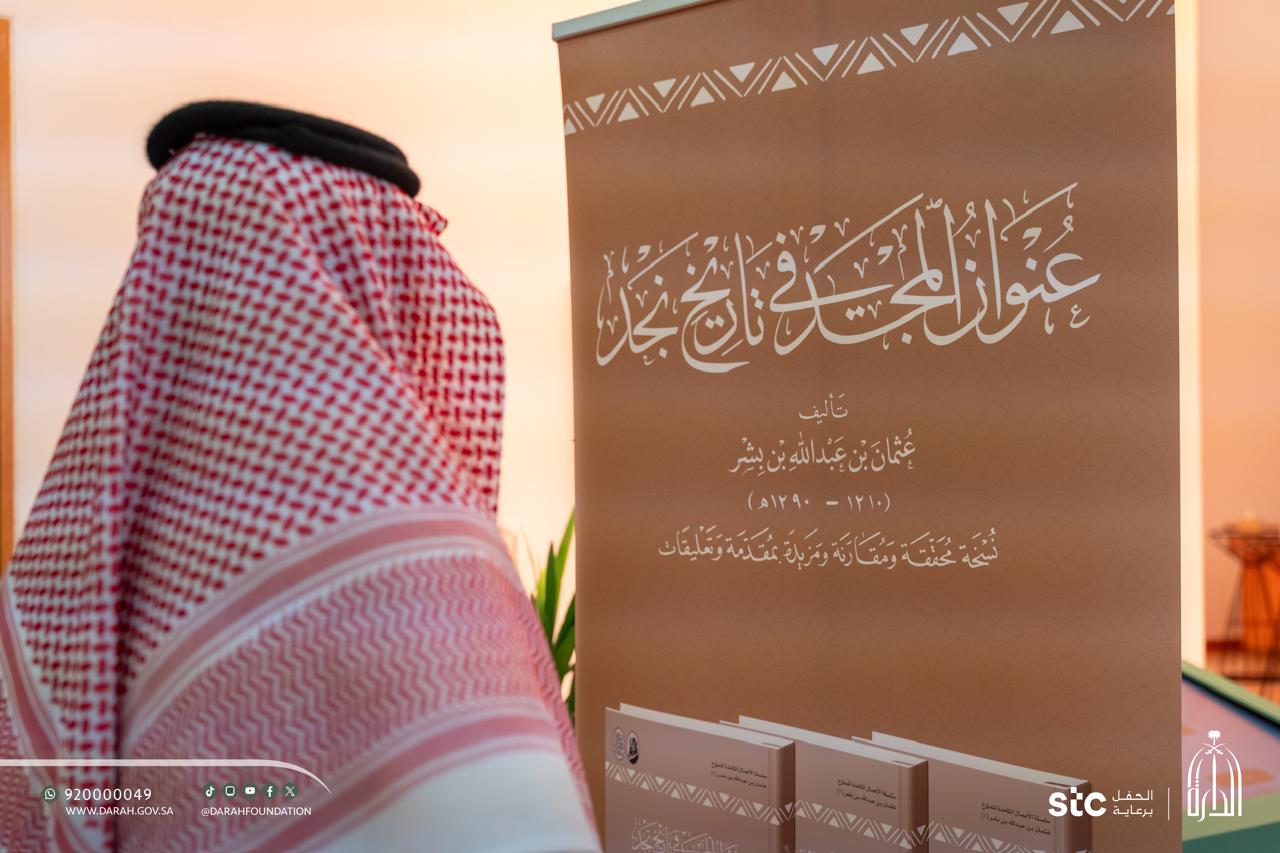
The initiative forms part of Darah’s efforts to preserve Saudi Arabia’s historical heritage and enrich its documentary resources. It focuses on collecting, cataloguing, studying, editing, documenting and publishing the works of pioneering historians, including books, manuscripts, historical documents and other related materials.
“The program aims to make these sources accessible to researchers and those interested in history, support historical studies and preserve this body of knowledge for future generations,” said a statement from the foundation.
“Unwan Al-Majd fee Tarikh Najd” is a key historical source documenting the history of the Saudi state, Najd and the wider Arabian Peninsula. Written by Ibn Bishr, the book provides documentation of major historical developments and events associated with the region.
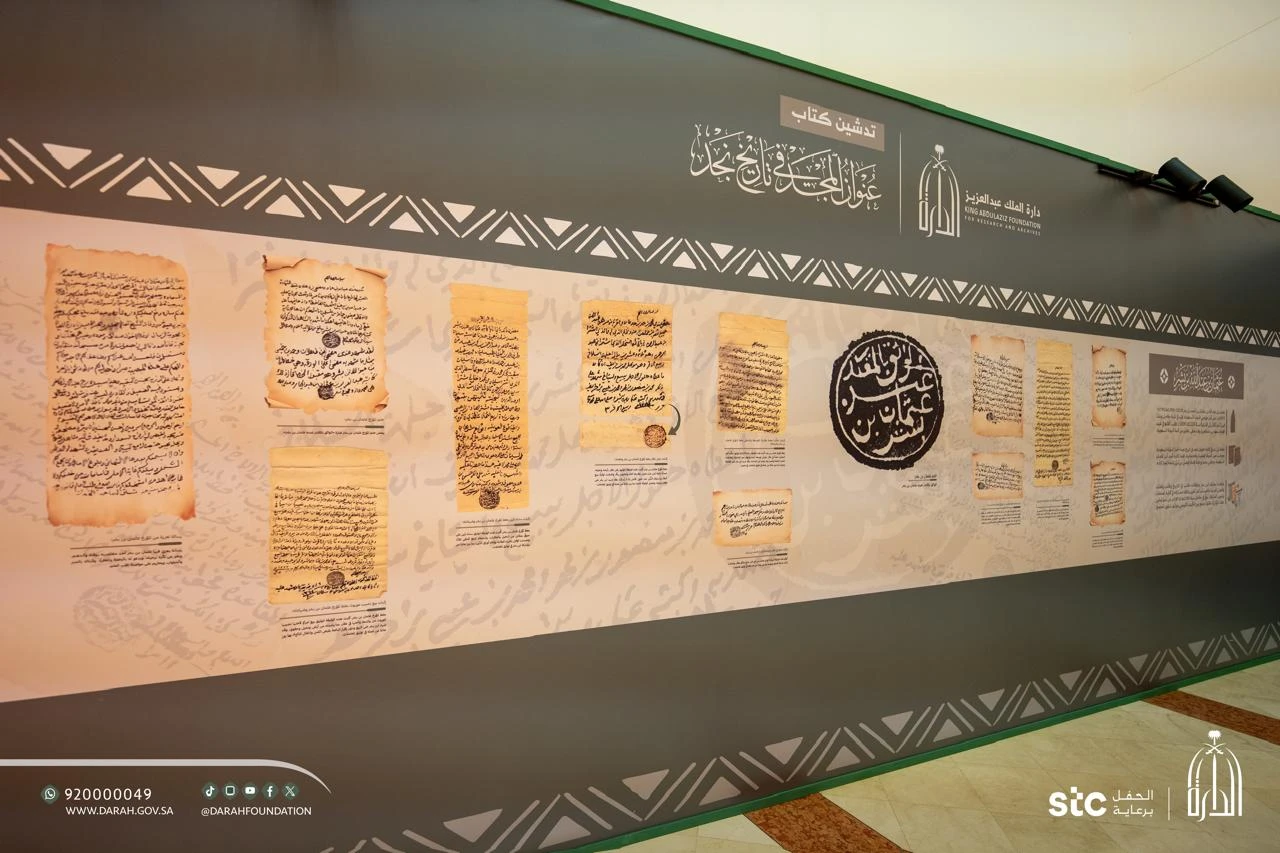
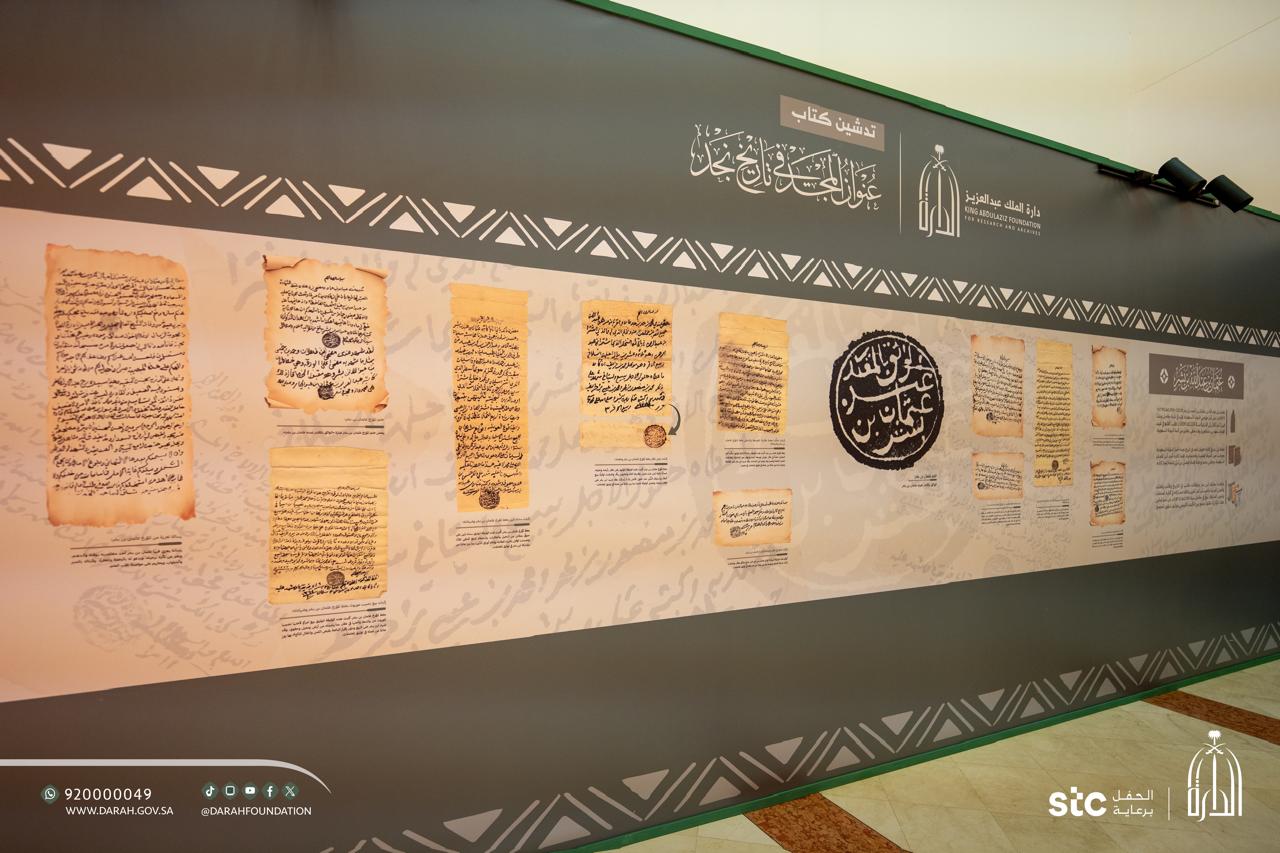
The new edition is based on a manuscript handwritten by the author himself, which served as the principal reference for the scholarly editing process. The text was examined and compared with other manuscript copies, with differences documented and the wording reviewed. The work also involved clarifying concepts and terminology, expanding footnotes, and adding scholarly annotations to support the text and its historical context.
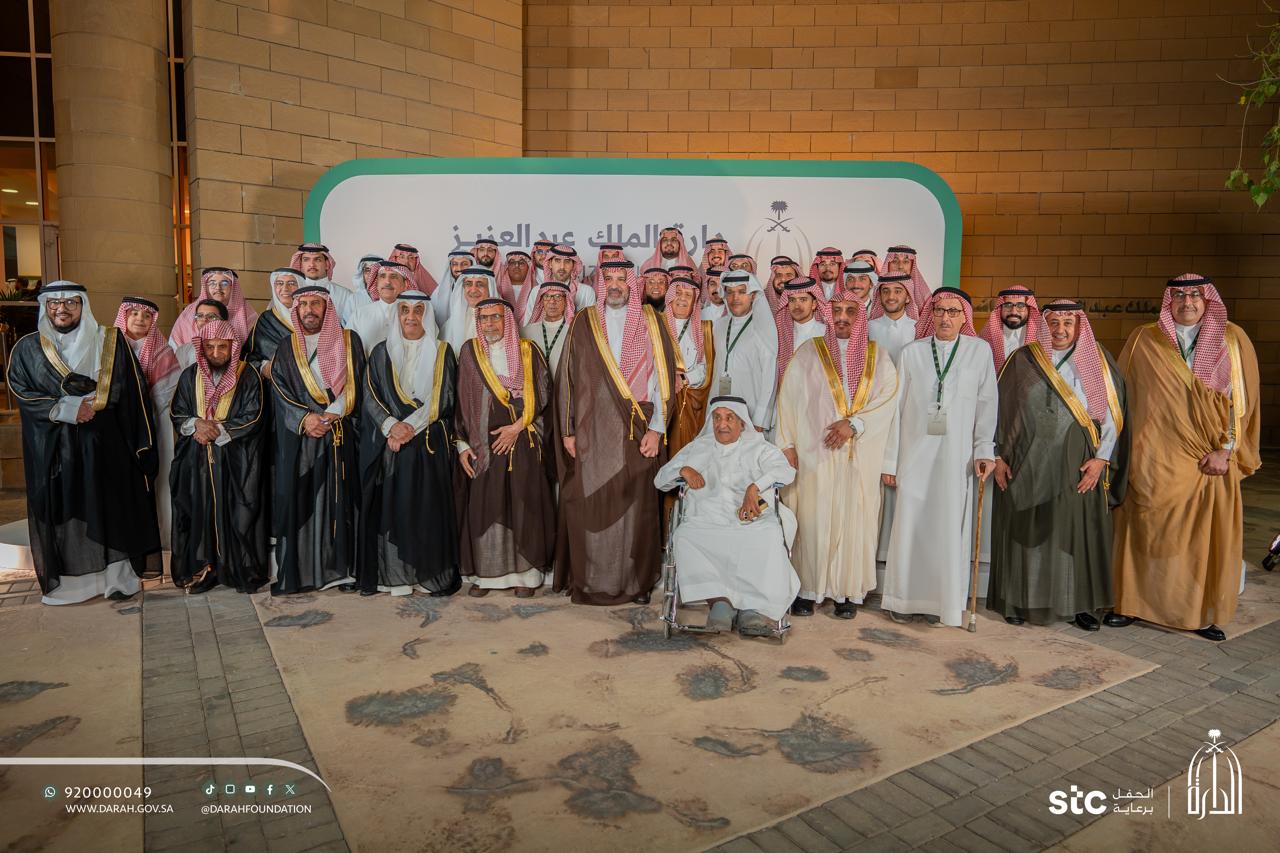
Sultan Al-Owairdi, Darah’s official spokesman, told Arab News the book was chosen as the program’s first release because of its scholarly value as a source on the history of the Saudi state, as well as Ibn Bishr’s status.
The availability of the author’s own handwritten manuscript made it possible to produce a new edition grounded in the original text, he added. This approach reflects the program’s commitment to returning to primary sources and subjecting them to rigorous scholarly examination and editing. The editing process also involved examining the author’s writing method, verifying the text, explaining terminology and adding scholarly notes and historical analyses to clarify the material.
“The manuscript, written in Ibn Bishr’s own hand, was presented by the Al-Bishr family to King Salman bin Abdulaziz. Researchers used it as a reference for the new edition, comparing it with other manuscript copies and documenting textual differences,” he said.
Al-Owairdi said the program’s first phase would also cover works by Moqbel Al-Thukair, Khaled Al-Faraj, Ibn Laboon and Mohammed Al-Fakhri, with other historical figures being considered for inclusion as it developed.
One of the main challenges was identifying the collection of materials scattered across different locations he added. Establishing an accurate text also required careful examination and comparison of manuscripts, particularly when historical accounts differ or available copies are incomplete. Researchers should additionally verify names, places and dates while preserving the original author’s wording and writing style.
Looking ahead, Darah aims to establish a sustainable scholarly series dedicated to collecting, editing and publishing the works of pioneering historians, beginning by completing work on Ibn Bishr’s writings.
Darah also plans to strengthen cooperation with families and institutions that hold manuscripts and historical documents, while improving access to the published works so they can continue to support research and raise awareness of the Kingdom’s history.