- High Commissioner for Human Rights Volker Turk also urges whichever government takes power in Israel after this week’s election to ‘change course massively’
- He raises ‘very serious concerns’ over destruction caused by Israeli military operations in southern Lebanon, calls for ‘very robust follow-up and questions of accountability’
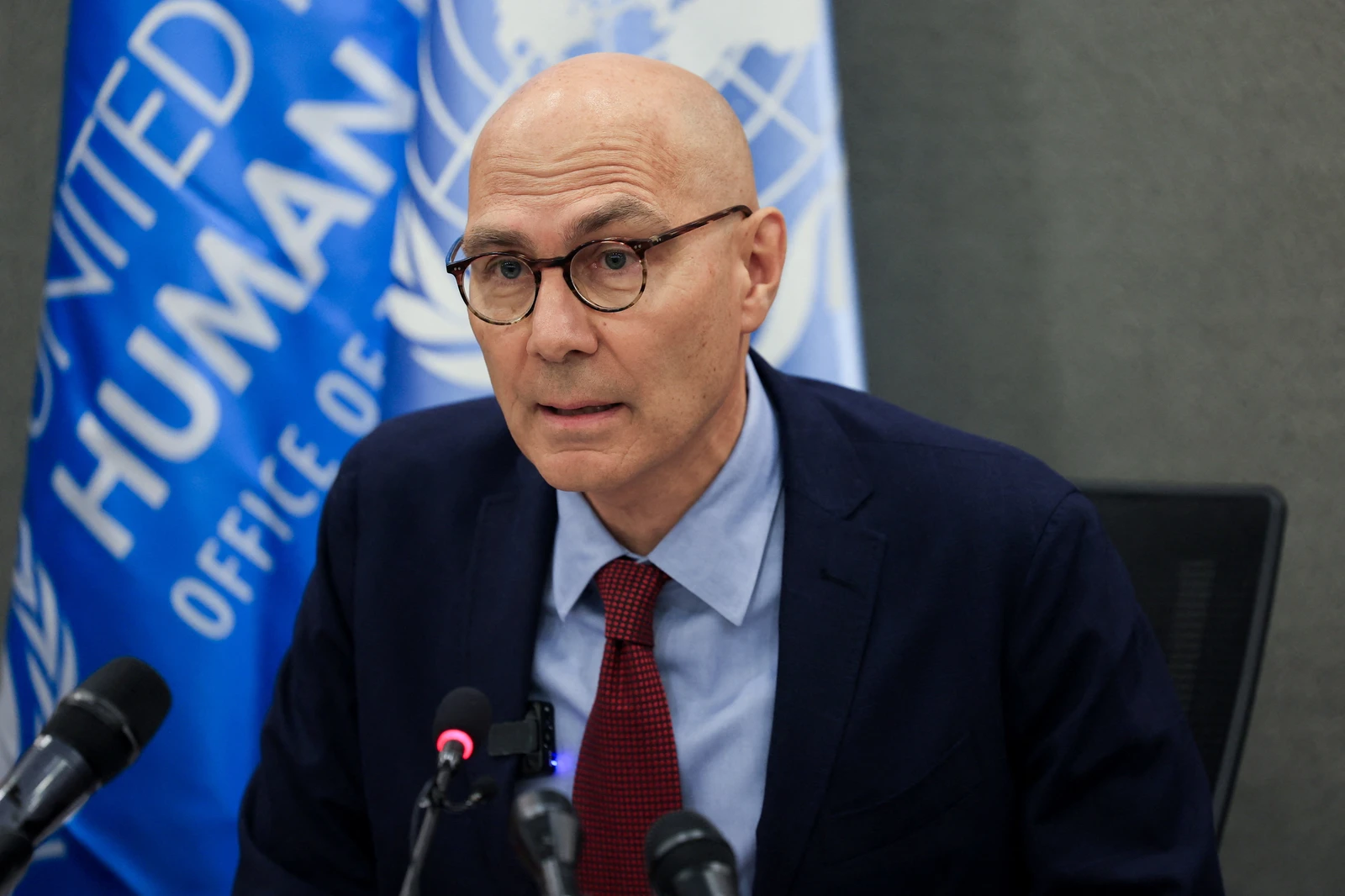
NEW YORK CITY: Attacks by the Yemen-based Houthis on airports and other civilian infrastructure in Saudi Arabia raise the question of possible war crimes, the UN’s top human rights official told Arab News, as he also condemned the detention of dozens of UN staff in Yemen by the Iran-backed militia.
Volker Turk, the UN’s high commissioner for human rights, said that under international humanitarian law, a civilian airport can only be attacked if it is a legitimate military target.
“If you start attacking civilians, civilian infrastructure, it does raise questions of war crimes, indeed,” he said during a press briefing in New York on Wednesday.
Turk said he was “very worried about the escalation that we see,” and once again highlighted the 71 UN workers currently detained by the Houthis, eight of them from his own office. Some have been held for years.
“It’s totally unacceptable,” he said, describing the detentions as “the most flagrant violation” of the privileges and immunities afforded to UN staff.
The workers were being held in “very, very dire” conditions, he added, and they “should be released unconditionally and immediately.”
Earlier this month, Turk condemned a series of Houthi attacks on airports in Saudi Arabia that have killed or injured dozens of Saudi citizens and foreign nationals, called for serious investigations into the strikes, and demanded that those responsible be held to account.
He said at the time that “attacks on civilians and civilian infrastructure are prohibited under international humanitarian law.” Five airports in the Kingdom, including King Khalid International in Riyadh, have come under Houthi attack since Oct. 5, killing at least 22 people and wounding more than 350.
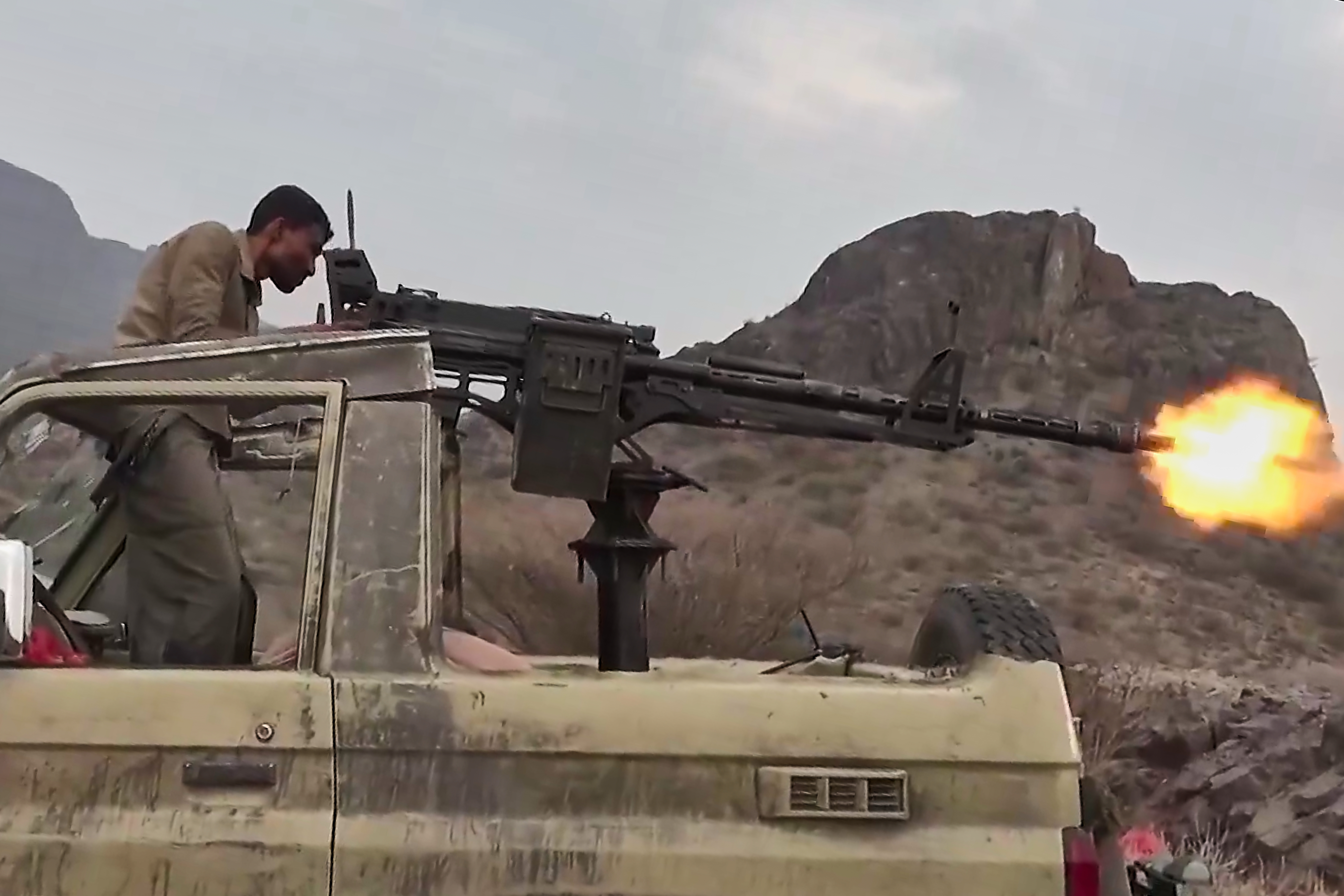
Maj. Gen. Turki Al-Maliki, a spokesperson for the international Coalition to Restore Legitimacy in Yemen, said on Oct. 15 that King Khalid International alone had been targeted 20 times since the start of the month. The attacks have continued since then, and the coalition said on Wednesday it intercepted a Houthi ballistic missile fired toward the city of Taif.
Turning to Israel, where voters went to the polls in a general election on Tuesday, Turk had a blunt message for whoever forms the next government: “Don’t continue the current course of warfare, where you think you’re above international law, because I think that’s what we have, frankly, seen.”
Israeli authorities have obligations under international humanitarian law and international human rights law “and they need to respect them,” Turk said. “I hope that the next government will do precisely that and change course massively.”
He said the monitoring, documenting and reporting his office carries out in Gaza and the West Bank, as well as Lebanon and Syria, remained “an extremely important function” in the efforts to ensure the world is aware of the facts.
Turk also rejected the suggestion that his office had been silent on the actions of Hamas. He said he had “repeatedly” condemned the Oct. 7 attacks and that his office monitors the conduct of Hamas and the Palestinian Authority as well as that of Israeli authorities.
His office was “extremely worried” about reports of Palestinians being executed in Gaza, which he described as “essentially, extrajudicial killings.”
Palestinians in Gaza are presently confined to less than 30 percent of the land in the territory and face the threat of “ongoing killings” by Israeli forces, Turk said. He added that he was concerned about “any attempt to intimidate Palestinians, including by Hamas, in any form, or to use violent means against them.”
Regarding the situation in Lebanon, Turk told Arab News that people displaced from the south of the country had described to him the demolition of properties and destruction of areas bordering Israel.
“Once they tried to return, they saw that their whole house was demolished,” he said, recalling his visit to Lebanon at the end of July during which he toured bombed neighborhoods in Beirut and met victims of the Israeli attacks.
The International Organization for Migration puts the number of internally displaced people in Lebanon at 330,000 amid Israeli strikes that continue despite a ceasefire agreement.
Turk said the situation “does raise very, very serious concerns,” with so many of those who were displaced unable to return home, and “there needs to be very robust follow-up and questions of accountability as well.”
The latest findings will form part of an assessment by an investigative team sent by his office to Lebanon in June. The report is still being drafted, he said, and was expected to be published in the coming weeks.