- The Quad meeting at the ASEAN summit marked the alliance's first since Trump's return to power in January 2025, aimed at counterbalancing China's influence in the region
- The US announced new rules requiring special licenses for high-end AI chip exports to several ASEAN countries, raising concerns over trade relations
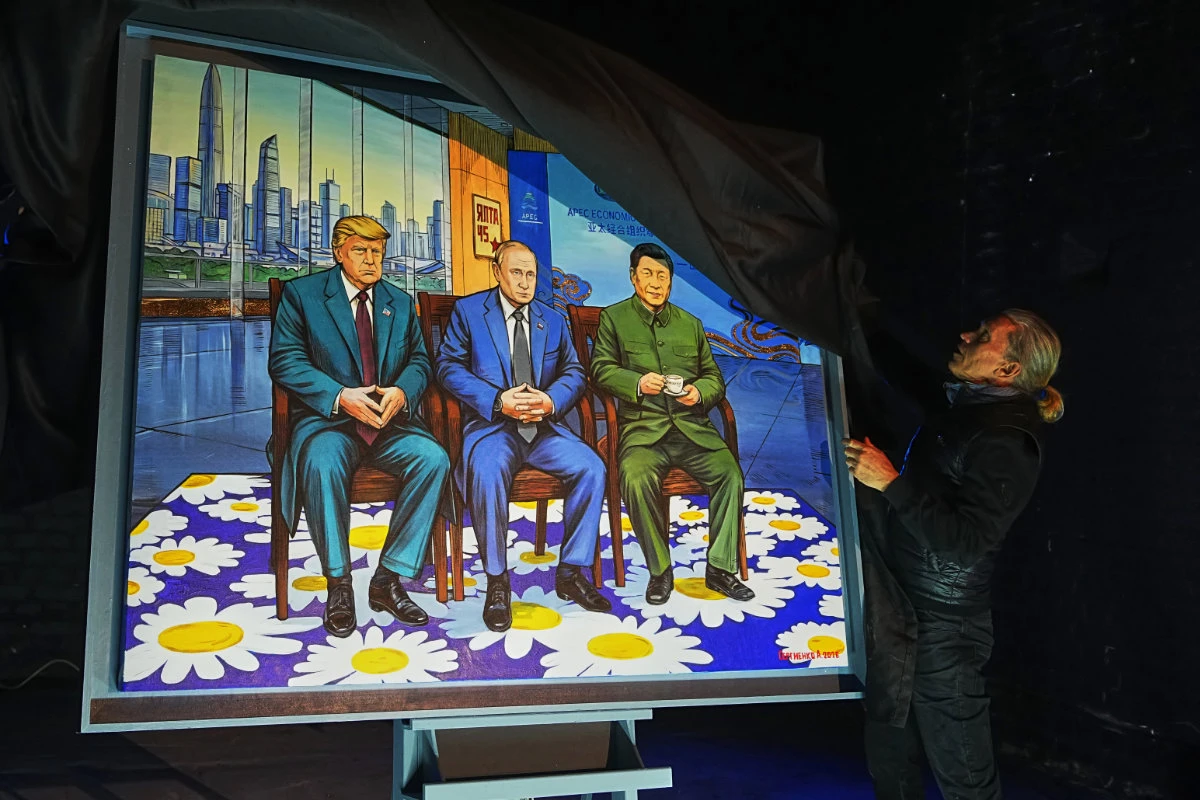
MANILA/SHENZHEN: Russian President Vladimir Putin on Wednesday arrived in China ahead of a summit with his Chinese counterpart Xi Jinping and US President Donald Trump, who is on an Asian tour in search of diplomatic gains after a bruising election defeat back home.
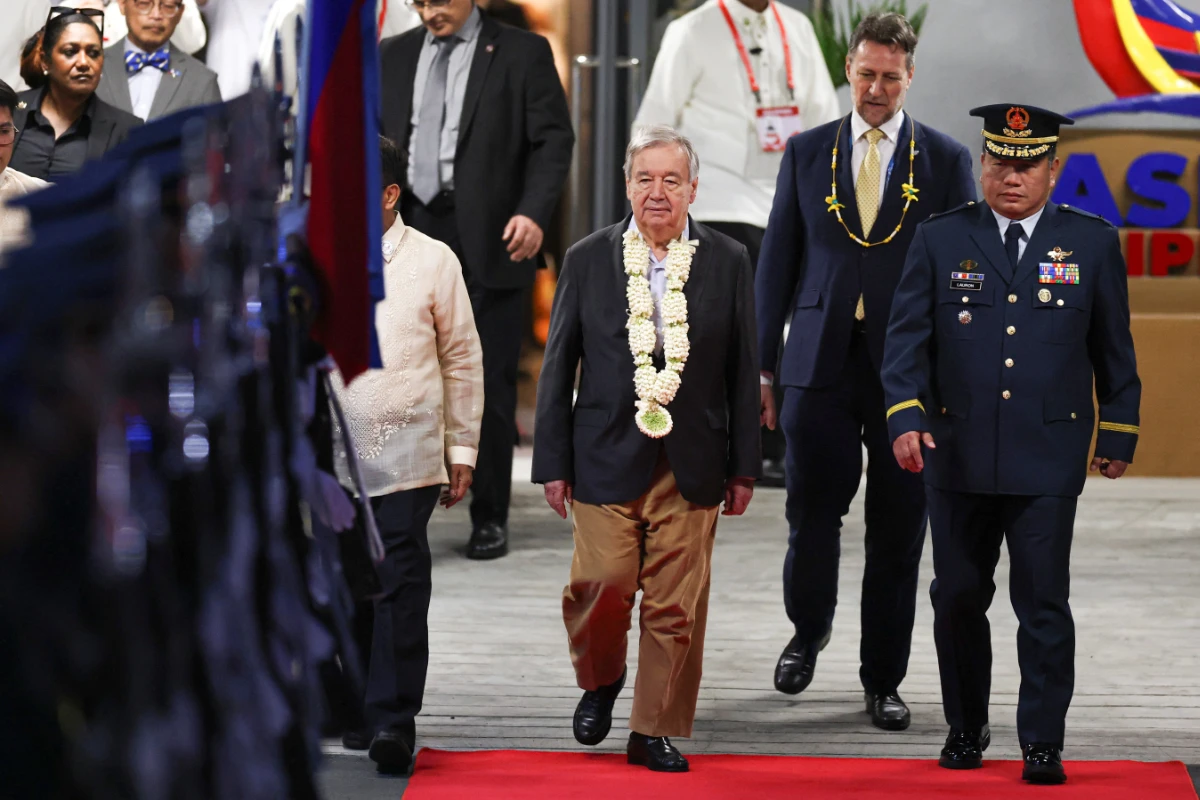
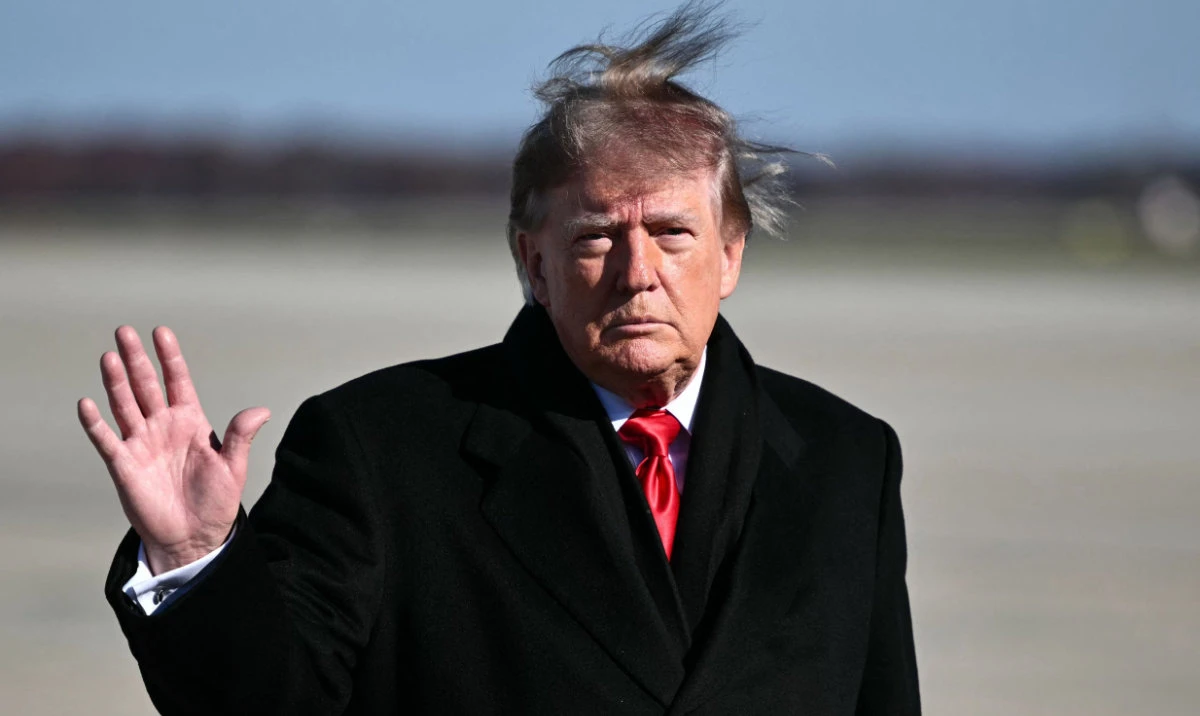
Trump was in the Philippines on Tuesday for a meeting with the leaders of the so-called Quad countries and said he was eyeing one-on-one talks with Putin and North Korea’s Kim Jong Un at his next stop, the Asia-Pacific Economic Cooperation (APEC) summit in China’s Shenzhen.
“If it’s available, I would do that,” Trump told reporters as he stood for photos with fellow Quad leaders Narendra Modi of India, Japanese Prime Minister Sanae Takaichi and Australia’s Anthony Albanese.
He added that North Korea’s Kim “would like” to meet in China, hours after Beijing said it had no information about an encounter between the two.
Trump’s Quad meeting at the 11-member Association of Southeast Asian Nations (ASEAN) summit was the security alliance’s first since his January 2025 return to power.
While the Quad — broadly aimed at counterbalancing China’s regional influence — has quietly progressed in deepening coordination, the short time allotted for Tuesday’s meeting meant it was unlikely to extend beyond pleasantries, according to analysts.
While Trump was greeted in Manila by a marching band and honor guard on the airport tarmac, elsewhere some 2,000 demonstrators faced off with police, carrying banners reading “Trump out now” and “Reject Pax Silica” — a reference to a US supply chain initiative that has divided opinion in the Philippines.
Tariffs, chips and rare earths
While ASEAN leaders have spent three days grappling with a raft of regional issues, the spectre of Trump’s ongoing tariff blitz has loomed large.
Chinese Premier Li Qiang on Monday slammed what he called a “countercurrent of unilateralism and protectionism” while touting Beijing’s own expanding trade with the bloc.
Brazilian President Luiz Inacio Lula da Silva and Canada’s Mark Carney sang a similar tune on trade, with both explicitly citing a need to wean themselves off dependence on the US market.
On Tuesday, a combative Trump showed no let-up in his trade war with Beijing, saying the United States would catch China in rare earths production “within 10 months.”
“We are making rare earths at a level that we’ve never made before. We’re going to catch them within 10 months, they say,” he said.
Hours before Trump touched down in Manila, Washington announced new rules on the transfer of advanced AI chips, a move that could potentially rankle ASEAN members.
Companies shipping high-end chips to Singapore, Malaysia, Thailand and Indonesia will now require a special license, as the countries were said to represent a “higher-than-normal risk of diversion.”
Singapore responded by saying it was now exploring ways to facilitate “trusted access” for firms based in the city-state.
Pax Silica
Trump will meet Philippine leader Ferdinand Marcos at the presidential palace on Wednesday before heading to Shenzhen.
Hayley Channer, economic security director at the Sydney-based United States Studies Center, said the Manila visit was “likely because the US is trying to further its Pax Silica initiative, to build a complete mine-to-chip supply chain.”
Aimed at countering China’s dominance in semiconductors and rare earths, the initiative has been the focus of months of protests in the Philippines, as its flagship 1,620-hectare (about 4,000-acre) AI manufacturing hub north of Manila threatens to displace Indigenous families.
“We are gathered here today to call for the stop of Pax Silica and to save the lands of the Filipino people,” Mariposa, a 21-year-old drag queen, told AFP at Tuesday’s protest while wearing a long black cape emblazoned with the words “Pax Silica Sashay Away!“
US Ambassador Lee Lipton said last week that a long-rumored deal signing for the site would not take place during the president’s visit.
As the ASEAN summit came to a close on Tuesday, President Marcos touted the bloc’s signing of a Digital Economy Framework Agreement — aimed at streamlining digital trade and cross-border payments — as its signature achievement.
But he also acknowledged the failure to deliver a “Code of Conduct” on the South China Sea between ASEAN and China during the Philippines’ year as bloc chair.
Marcos told reporters that “85-90 percent of it has actually been done,” leaving the ball in Singapore’s court when it takes the ASEAN reins next year.