The Indian Embassy has announced new measures aimed at helping nationals who were unable to legalize their status during the grace period.
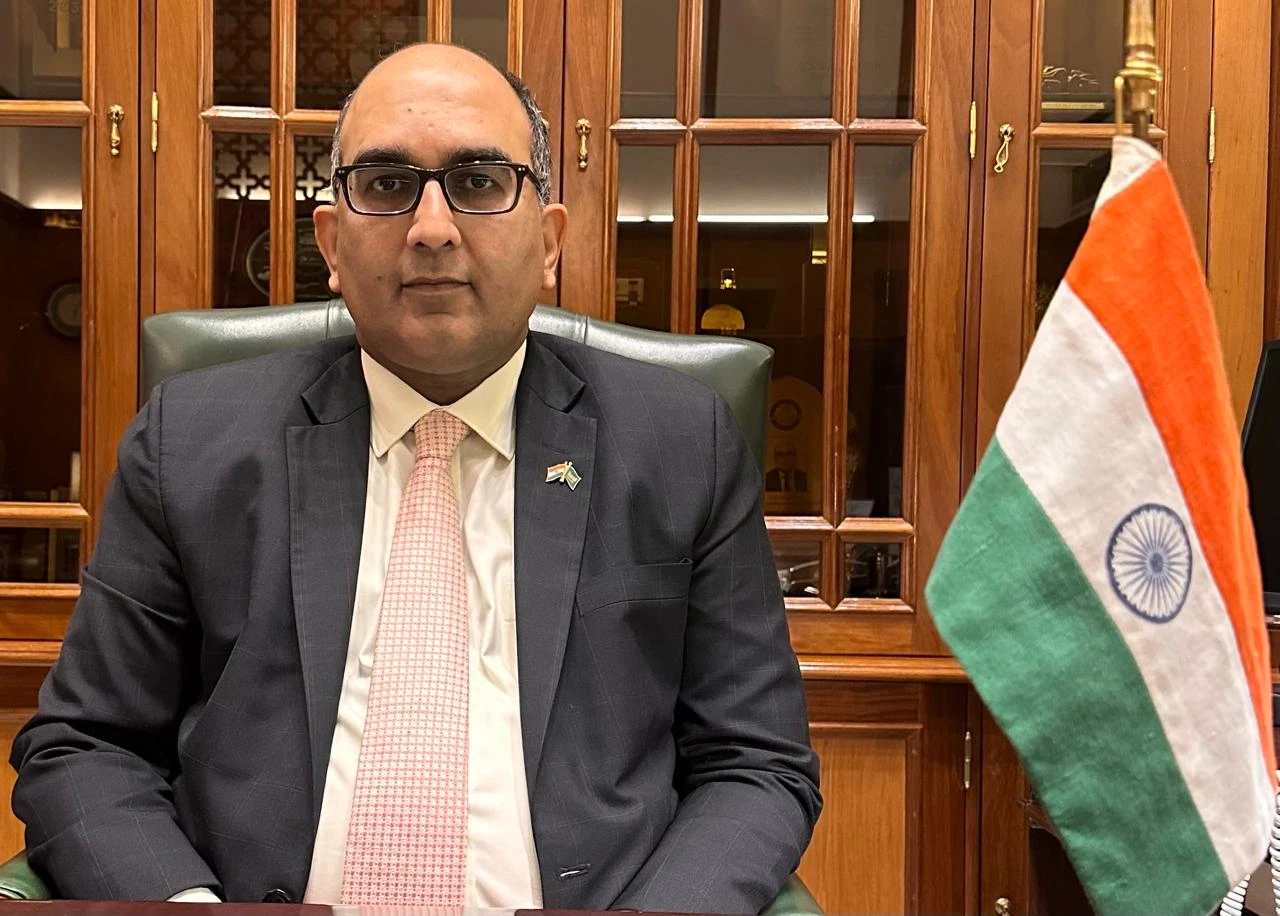
Sibi George, deputy chief of mission at the Indian Embassy, told Arab News on Thursday: “To help Indian nationals, we have set up help cells at the deportation center and labor offices in Riyadh to assist nationals who were unable to correct their status before the end of the amnesty.”
George asserted that he discussed the plight of Indian expatriates who were unable to correct their status with his Saudi counterparts ahead of the amnesty deadline.
“They are our people and they need our help,” the deputy chief said. “There are many nationals who began processing their paperwork before the amnesty ended but ran out of time. These individuals want to go home and require our assistance.”
“The embassy’s helpline is open around the clock. We have also deployed Arabic-speaking officials at the deportation center and labor offices for further assistance. In addition, we will also continue e-registration.”
George said: “We have received figures from Saudi authorities that suggest that more than 1.4 million Indians have availed themselves of the concessions during the grace period up until the end of October. These figures include 434,667 Indians who transferred their services to other firms, 481,233 who changed professions and over 470,000 who renewed their licenses/job permits.”
“Around 134,281 Indians left on final exit during the grace period. The number includes those who availed themselves of the concessions and others who left the country upon completing their contractual period,” he added.
The diplomat indicated many Indians succeeded in returning home without facing penal action. “Nevertheless, the total number of Indians in Saudi Arabia has increased and continues to grow. This renders implication of a mass exodus of Indians from Saudi Arabia inaccurate,” George added.
Saudi Arabia is a growing labor market thanks to major infrastructure and development programs currently being undertaken across the country, he said. As such, Saudi authorities have made it clear that they are in need of expatriate workers to be partners in their economical growth. George reassured Indian nationals that the embassy has put in place an action to plan to help illegal residents.
“We will work closely with volunteers and schools to help nationals in need of assistance. We will also continue to take up their cases with Saudi authorities on a regular basis,” he said.
In a meeting organized after the end of the amnesty period, core groups of volunteers and embassy officials met to discuss and assess the latest developments on the ground.
Addressing attendees, George said: “The embassy is fully aware of its responsibility of ensuring the welfare of the more than 2.8 million Indians currently residing in this country. We will continue our efforts to help our nationals within the rules and regulations of this friendly country.”
Arab News