A senior Nepalese diplomat called on the Saudi government on Thursday to simplify repatriation procedures for the bodies of Nepalese expats that have been lying in morgues across the Kingdom for several months.
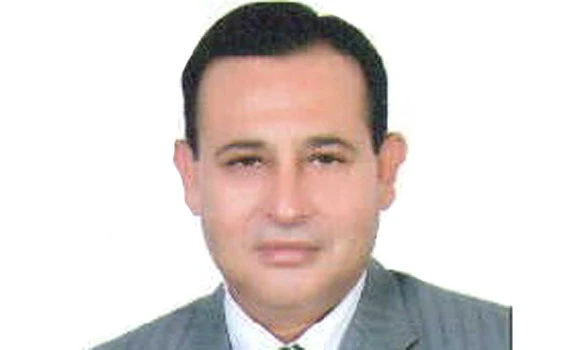
“The repatriation of scores of bodies of migrant workers has been delayed because of complex paperwork procedures,” said Udaya Raj Pandey, Nepalese ambassador. “I will raise this issue with Labor Minister Adel Fakeih during a meeting next week.”
Pandey said several ambassadors from labor exporting countries would meet the labor minister over dinner on May 13 to discuss a range of labor issues.
“Bodies of 27 Nepalese workers are lying in mortuaries in different regions in the Kingdom,” he said.
“Complex paperwork, legal fees and the cost of air transport, in addition to non-cooperation from Saudi sponsors at times, hamper all our efforts to get these bodies repatriated,” he added.
“Some of these bodies have been lying in mortuaries for the last eight months to over one year,” he said. “The problem of corpse repatriation is bigger in Saudi Arabia than in other Gulf states.”
A total of 13 different documents are required in both Arabic and English under the Saudi sponsorship law. These include police and postmortem reports in order for a body to be given an exit visa. The presence of the sponsor is also essential for exit visas.
“We also often come under pressure from families back in Nepal to secure monetary compensation. It can take months to settle such issues,” he said. “To top this off, the manpower crunch at Nepal’s Embassy is said to be adding to insult to injury in getting repatriation procedures completed.”
“Logistical arrangements are another problem, since Saudi Arabia is a big country,” said the envoy. “Some workers die 3,000 km away from Riyadh. In such cases, finding the place and getting the details become a very difficult task for our officials.”
The body of a female worker has been lying in Khamis Mushayt for over a year now, for instance.
“With increasing instances of death being reported among migrants from Nepal in labor destinations, repatriation procedures have become a cumbersome task for stakeholders,” said Pandey. “Family members usually have to wait at least a month to receive the bodies, while many are compelled to wait up to one or two years.”
Around 270 to 290 Nepalese die in Saudi Arabia every year. Nepal’s Embassy managed to repatriate 765 bodies during the last 33 months since Pandey joined the mission in Riyadh. He said 20 bodies were sent back to Nepal last month alone.
Saudi Arabia, which recently opened its diplomatic mission in the Nepal’s capital, Katmandu, last year, is home for over 500,000 Nepalese workers.