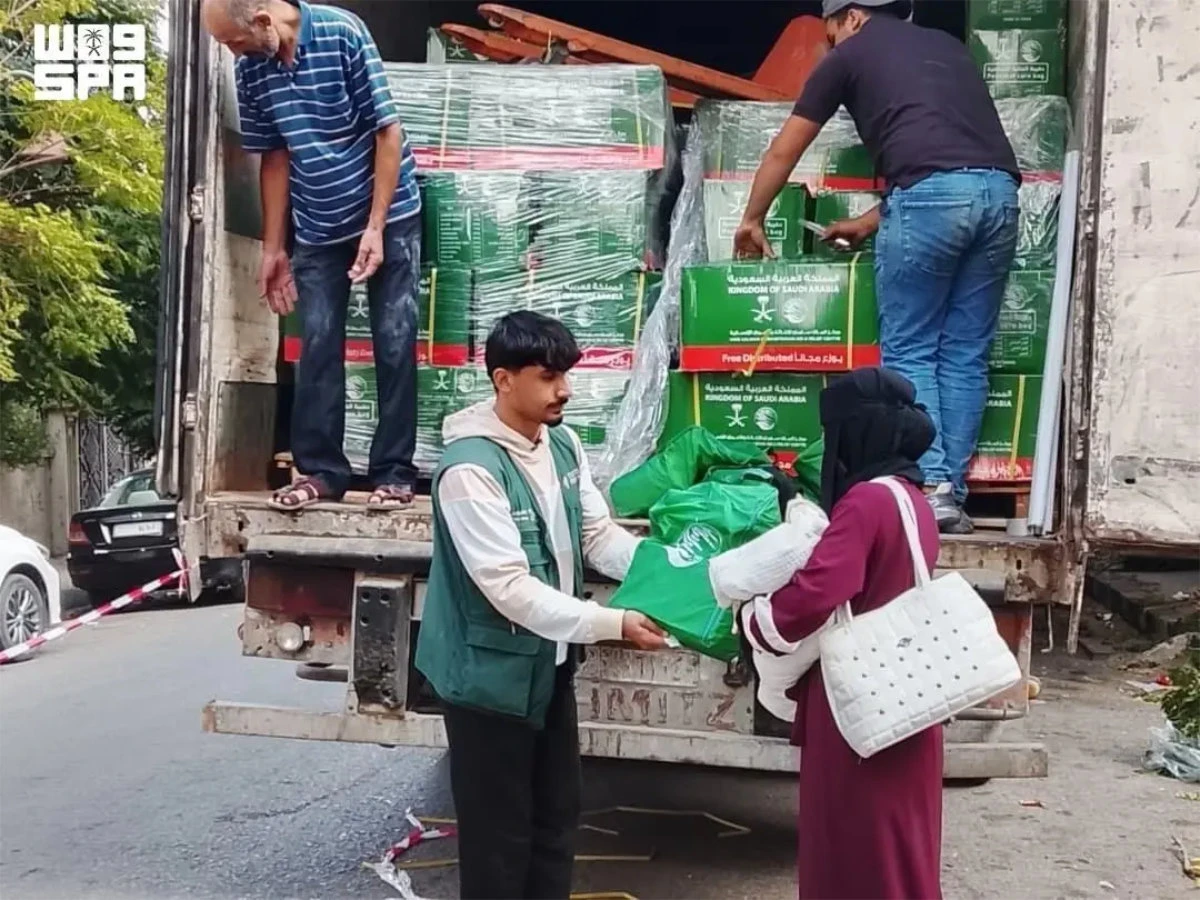
Tens of thousands of illegal and destitute expatriate workers are flooding into Jeddah hoping their consulates and embassies will provide them with travel documents to go home.
Whether it’s a Filipino housemaid from Dammam, an Indian driver from Najran, a Pakistani mechanic from Qassim, a Sudanese shepherd from Arar, or an Egyptian salesman from Hassa, everyone believes that the city is their first step toward a ticket to their homeland.
As a result, thousands of workers are now either camped out in front of their diplomatic missions or living in cheap accommodation across the city.
It’s hard to describe the joy and sheer relief on the faces of workers arriving in the city after traveling, often clandestinely, for long hours from all parts of the Kingdom. Many hitch rides on the many trucks traveling to the Jeddah Islamic Port. Workers fear being arrested by police and other security agencies.
It costs an average of SR 2,000 to reach Jeddah from Riyadh and Dammam, while it costs up to SR 2,500 from Buraidah and Qassim. A ride from the southern province costs between SR 1,500 and SR 1,800.
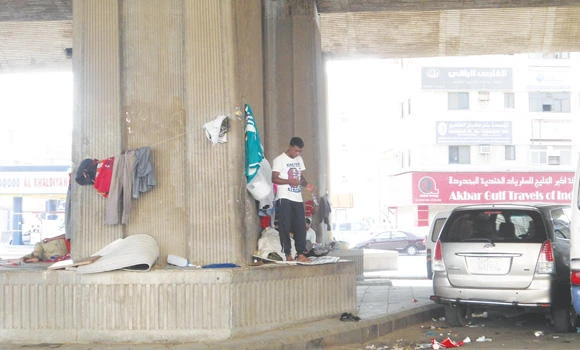
Once workers arrive in the city, there are specific areas for nationals from various countries. Asian men head to the city’s Kandra overpass and Africans to the overpass in the Haraj area. Asian female domestic workers can normally find accommodation in three different localities in the city.
Many workers find odd jobs to try to pay off the debts they incurred when they first traveled to Saudi Arabia. Most hope to be arrested by the Passports Department to be deported.
For runaway or huroob workers, the situation is particularly difficult because their sponsors have to give permission for them to go home. Diplomatic missions have no influence over the process.
For those illegal workers who have also stolen from their Saudi bosses, the situation is worse. The Kingdom has a biometric system in place at all exit points in the country, making it easier to arrest these criminals.
Jeddah a transit point for illegal workers