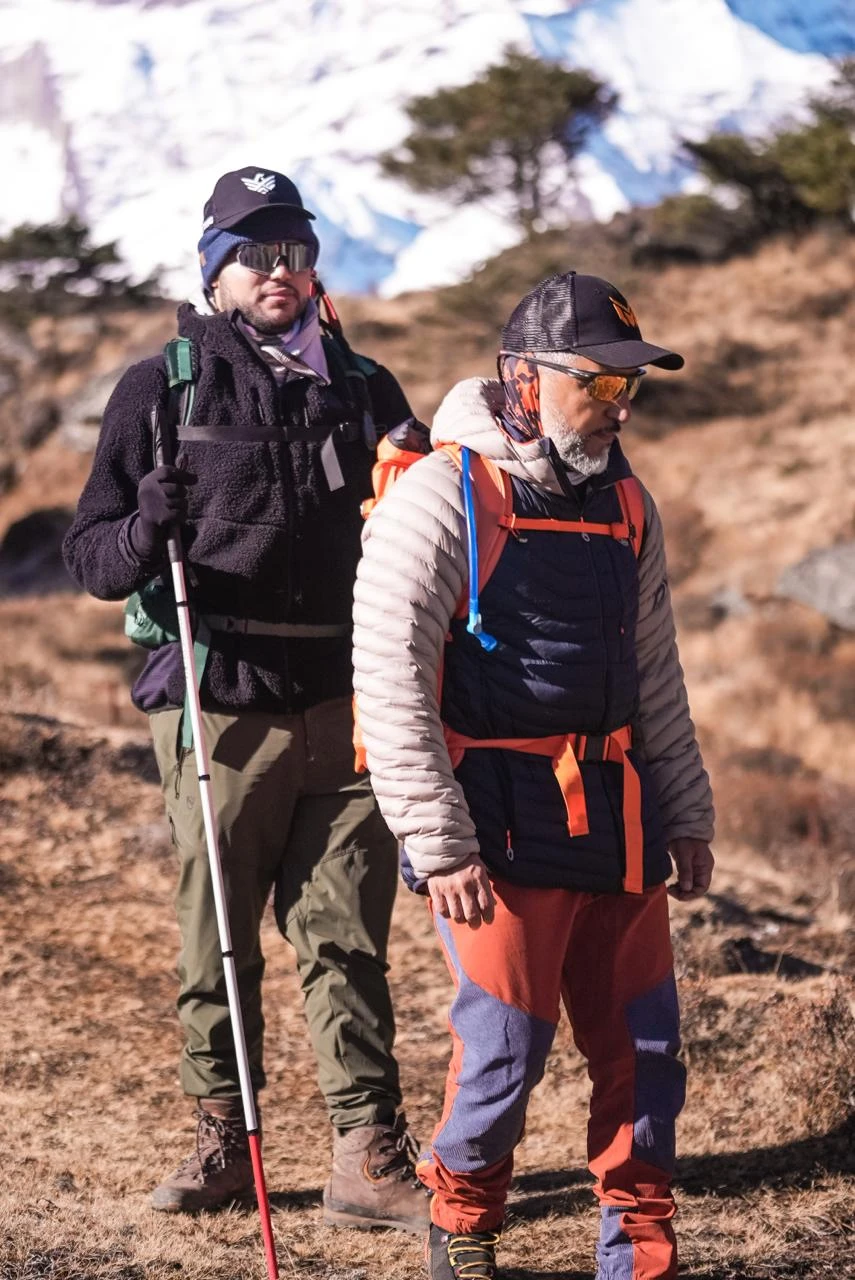
- Rashad Naqeeb relied on his other senses, particularly touch, and guides to navigate
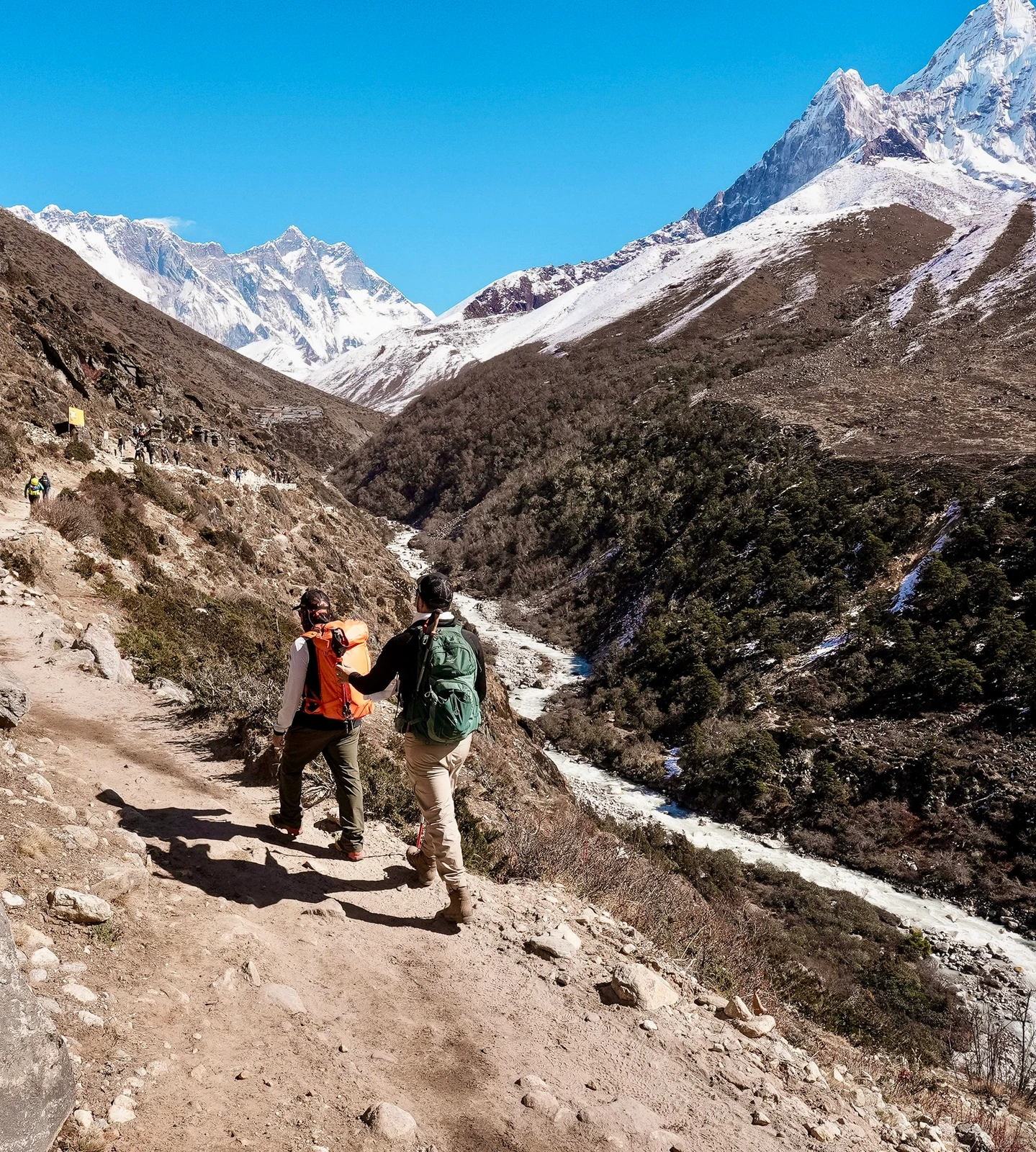
JEDDAH: For nine days, Rashad Naqeeb crossed rocky trails, icy paths and steep mountain passes as he traversed the Himalayas, with every step demanding patience, endurance and trust.
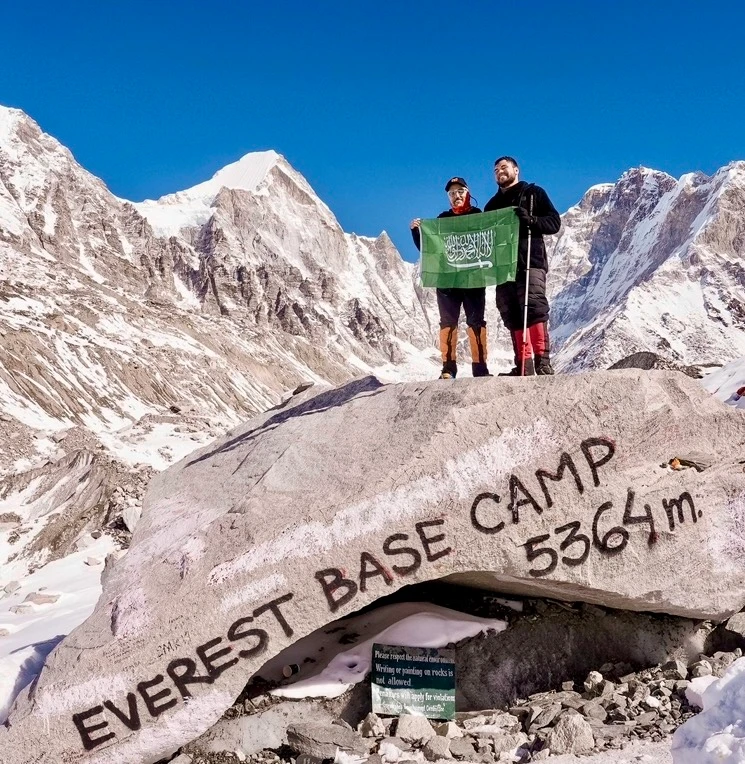
And then he successfully reached Everest Base Camp in Nepal, at an altitude of 5,364 meters, in what is believed to be a first-of-its-kind achievement for a blind Saudi man.
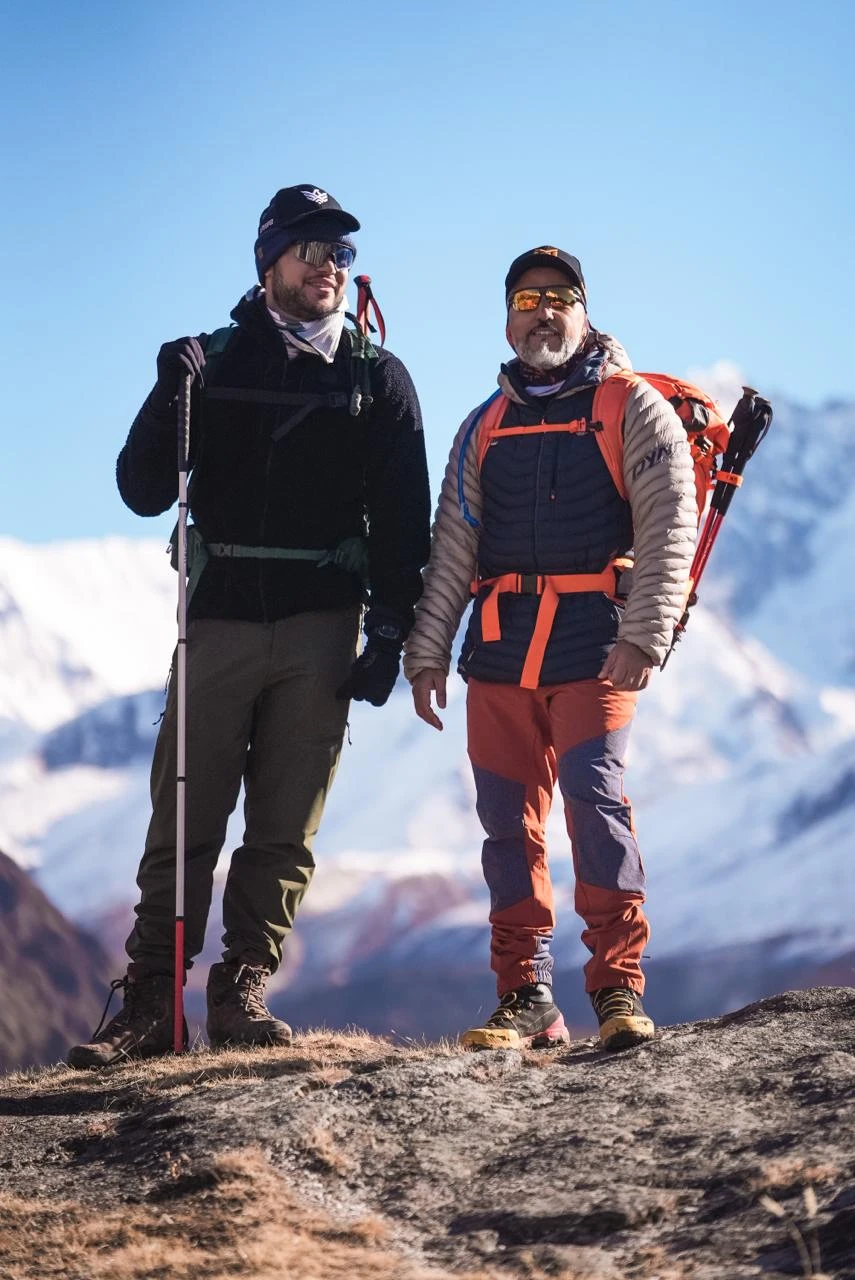
Naqeeb was accompanied by Saudi explorer Dr. Badr Al-Shaibani as he completed the demanding trek through remote Himalayan villages and rugged mountain terrain, overcoming freezing temperatures, thinning oxygen and unpredictable trails.
Without the ability to see the path ahead he relied on his other senses, particularly touch, as well as Al-Shaibani and a team of professional mountain guides. Together, they navigated one of the world’s most famous routes, moving steadily toward their destination.
Al-Shaibani, who has climbed Mount Everest previously, provided continuous guidance throughout the expedition, helping Naqeeb negotiate the challenges posed by altitude and terrain. At base camp, the culmination of their efforts, the pair raised the Saudi flag to mark the end of a journey that tested both physical endurance and mental resilience.
“Reaching Everest Base Camp was an extraordinary experience. Despite the challenging terrain and high altitude, my trust in the guides gave me the sense of security I needed to focus on every step,” said Naqeeb.
He added he hoped the achievement would encourage others to pursue their ambitions regardless of the obstacles they faced: “I hope this experience inspires every ambitious young person to pursue their own journey without allowing disability to stand in the way of their goals.”
For Al-Shaibani, the expedition was also an opportunity to expand access to adventure and exploration for people with disabilities.
“I undertook this journey because I believe that exploration should be accessible to everyone when determination, a supportive environment and proper planning come together,” he told Arab News. “While I was responsible for providing on-ground guidance, Rashad’s determination and discipline were the real driving force behind reaching our destination.”
He said the adventure aimed to encourage more Saudi youth and people with disabilities to participate in challenging sporting and adventure activities.
“Our goal with this initiative is to open up new horizons for Saudi youth and people with disabilities, and to demonstrate their ability to take on the toughest challenges and achieve milestones that bring pride to the nation,” he said.
The expedition reflects broader efforts to expand opportunities for people with disabilities and increase their participation in sports and outdoor activities in line with Vision 2030’s quality-of-life objectives.
A documentary chronicling the journey, including its exploratory and human dimensions, is currently in production and is scheduled for release in 2027.
For Naqeeb, the achievement now stands as a milestone reached through preparation, teamwork and perseverance. For those following his journey, it offers a powerful reminder that some of the world’s most demanding paths can be navigated one step at a time.