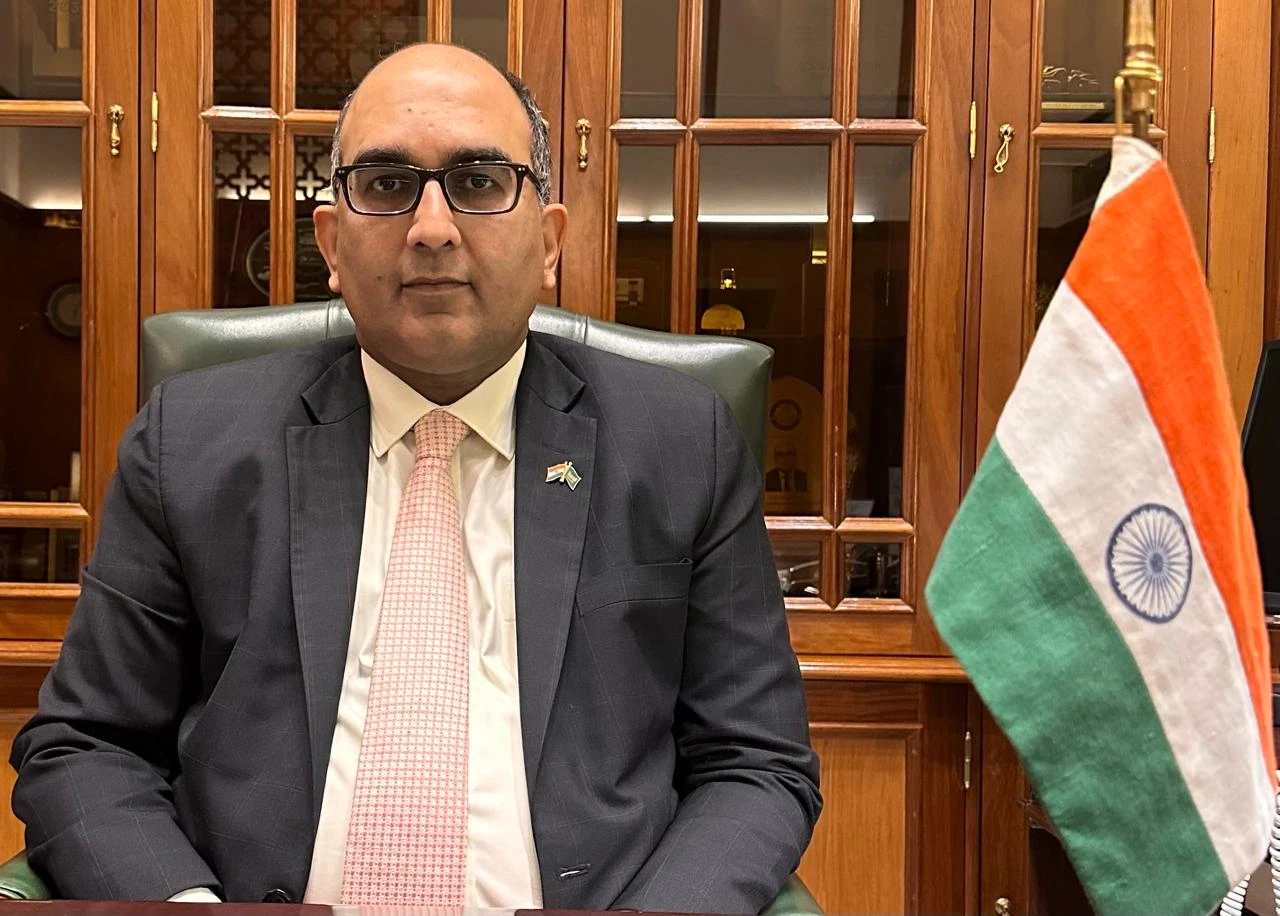
Mahmood Rashwaan, head of the Commercial Committee and board member of the Madinah Chamber of Commerce and Industry, has said that the inspection campaign, which began early this month following the end of the amnesty period, had opened up job opportunities for Saudi youths in the private sector, particularly in retail and small businesses and in trade and industrial sectors.
Around 1.8 million expatriates were employed in these sectors.
Saudis typically refuse to take up jobs in places such as in slaughterhouses and barbershops. Such establishments are owned by Saudis who might continue to manage them, he said.
He also said that commercial shops are considered much better than certain other occupations because of the income they generate.
Rashwaan said retail and small businesses are the most important sectors, with at least 1.5 million doing business under commercial registers. Small shops make at least SR5,000 a month, while there are other such shops that make between SR12,000 and SR15,000 a month.
In an interview, he said the inspection campaigns are beneficial to the Kingdom since they open up the path for young Saudis. This, he said, will help in the nationalization of the retail sector, which is 90 percent dominated by expatriates.
Rashwaan said that there are plenty of jobs in these fields but that these are high-risk and seasonal sectors, most notably in Makkah and Madinah.
Nevertheless, many of these shops maintain steady annual revenues of between SR500,000 and SR700,000, he said, adding that the retail sector is one of the most important pillars of the economy and that advanced industrial states pay particular attention to them because of their importance.
He said there are 40,000 registered small business concerns among the 60,000 businesses that are registered in Madinah and that there is potential to nationalize the sector.
Arab News