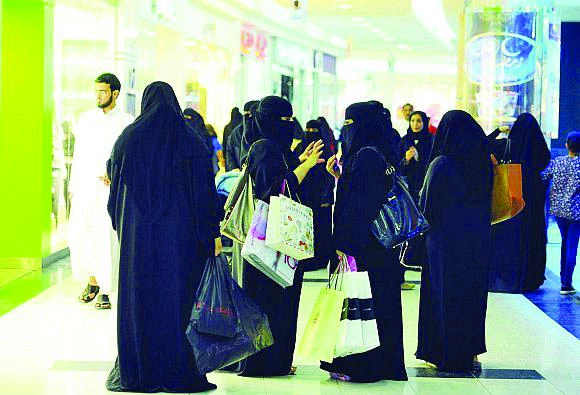
The average monthly spending for a single Saudi citizen has amounted to SR2,207 per month while it is SR13,282 for a Saudi family, according to the latest reports issued by the Department of Statistics and Information.
These figures indicate a high consumption level for Saudis, the report said.
Waste is a negative part of the consumerism culture, which leads to many risks that not only affects economy but also influences society as a whole.
Howevr, the “contemporary Saudi family is planning to ensure a decent life in the present and future through rationalizing its expenses,” said psychiatrist Tariq Habib.
He said, “The problem does not lie in the financial planning of the family but in the unchanged salaries and increased life requirements, which reduce the chances of saving as high prices exceed individual salaries.”
Economists observe that countries which are high-savers have grown faster than low-savers and increased individual consumption and reflects negatively on the next generations’ share of resources.
Talaat Hafez, chairman of the committee of media and banking awareness, said: “Consumption finance reached 12 percent, which is still within reasonable and justified boundaries compared to the gross domestic product (GDP). Everyone was able to save, according to income level, and consumers should establish a monthly financial plan to be strictly followed.”
Concerning economic risks, consumption culture leads to the collapse of the basic components of growth represented by savings and investment, as income is the result of consumption and savings. Increased consumption depends on savings which in turn increases production and operating.
Lack of savings culture blamed for bad planning