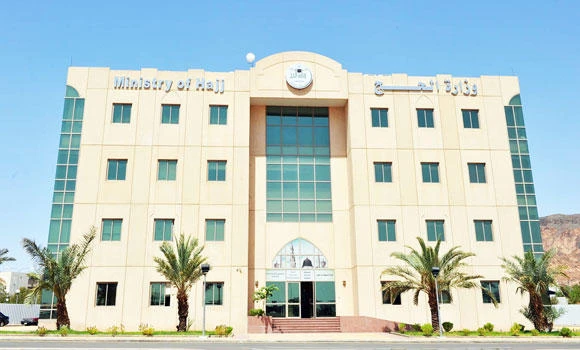
Local pilgrims, particularly Saudi citizens, have expressed concern over the growing costs of Haj, which has surged threefold in the past few years. Many of them pointed out that Haj has to be performed as per rules and regulations laid down by the government, which has pushed up cost of performing this essential Islamic duty, and there is a growing demand for authorities to put a cap on the charges for Saudis.
This year, Saudis and residents accounted for 600,718 of the total of 1,980,249 pilgrims who performed Haj, according to the latest figure released by Saudi Statistics Bureau.
Many pilgrims who could not afford the high fees charged by local Haj companies went on their own to save money, but they had to be content with spending time or sitting under whatever little shade they could find.
“The government has set up rules for local pilgrims, and getting the Haj permit is easy, but paying the high services has become very difficult,” points out Abdul Wahab, who performed Haj this year. “Just imagine the plight of a family of five who want to perform Haj. They will have to spend between SR25,000 and SR30,000. This is the reason one can see some local pilgrims sleeping on the roads at night,” he said.
Local Haj companies, Abdul Wahab said, charged anything between SR5,000 and SR10,000 per person depending on the package the pilgrims opt for. “In the past, a person could perform Haj for just SR2,000,” he said, adding: “Performing Haj, the fifth pillar of Islam, has become difficult and even impossible for some people. The government or Haj Ministry should put a ceiling on it, as many Saudis can’t afford the high charges.”
“The price for the pilgrimage is fixed on the basis of the pilgrim’s preference for area at the holy sites. For example, the area near the Jamrat is more expensive than the ones that are some distance away. It wasn’t like this earlier, and I wish the government does something about it,” he said, adding that the number of people violating rules is a consequence of the high costs. “Those caught are not offenders, but people who are forced to do it because they can’t afford the high costs,” he pointed out.
Mohammed Halabi, a Saudi Haj service provider, said the government earns million of riyals every year from pilgrims coming from abroad. “Under the circumstances, can’t the government provide some facilities to local pilgrims by reducing the charges and allot some area for them to set up their tents like before?” he asked.
“Many local Haj companies get land in prime locations by paying extra money. The Ministry of Finance charges local companies SR250 for each tent and shade at the holy sites, a practice started since the fire accident in Mina 16 years ago. Does it make sense to pay SR5,000 or SR6,000 per person for staying in Mina, Arafat with bad services? This is what drives many to sleep on land or under trucks,” he said.
Locals seek cap on Haj cost