- Since opening in 2019, Marawah Open-Air Theater has emerged as one of Al-Baha’s most prominent cultural venues, welcoming thousands of visitors to festivals, concerts and public events
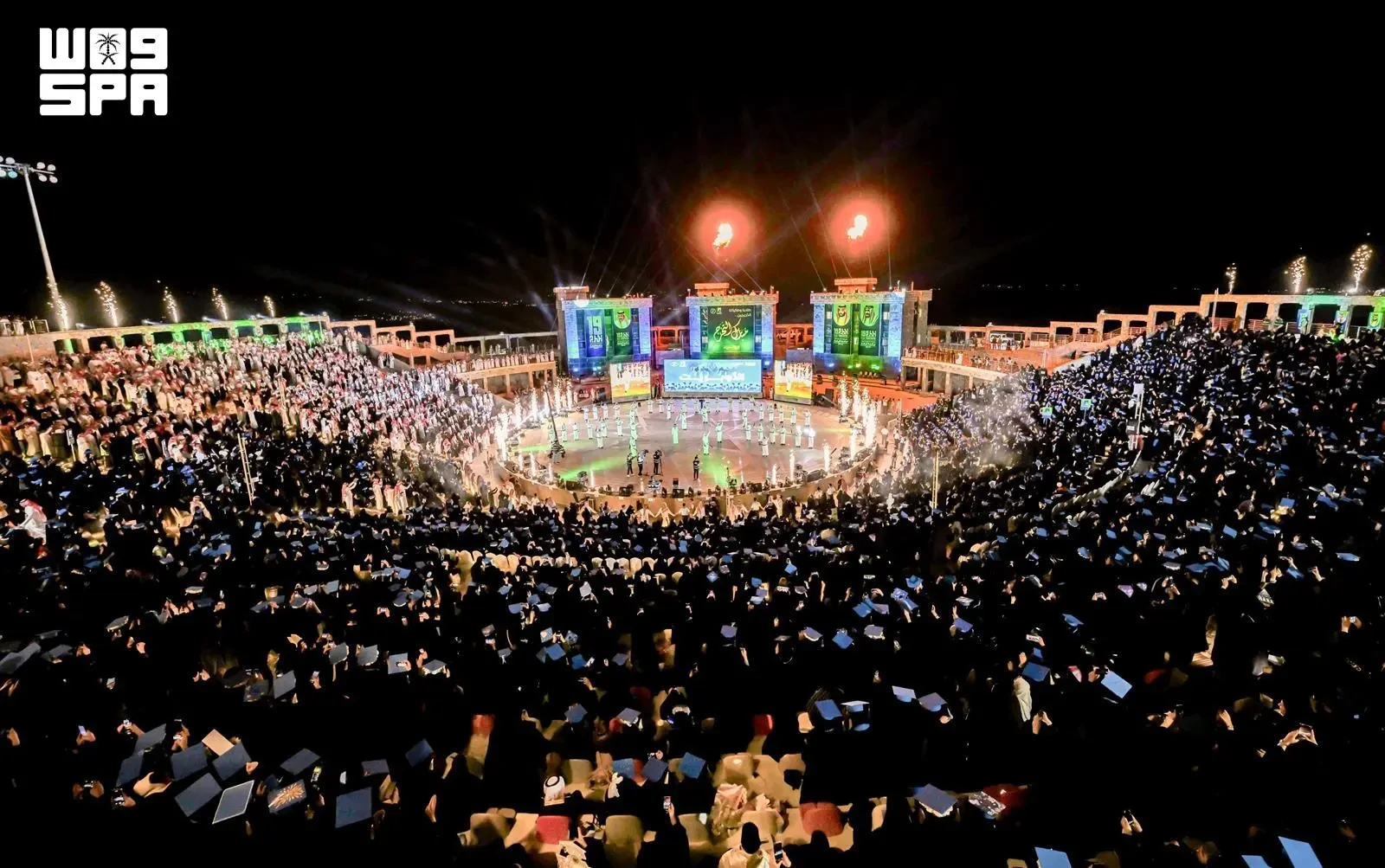
RIYADH: Nestled among the rugged mountains of southwestern Saudi Arabia, Marawah Open-Air Theater has become a cultural landmark in Al-Baha, hosting concerts, summer festivals and national celebrations in a region known for its rich architectural heritage and striking natural landscapes.
Named after Marawah village, the venue draws inspiration from its surroundings, with a design that reflects the village’s traditional architecture and the broader mountain heritage of Al-Baha.
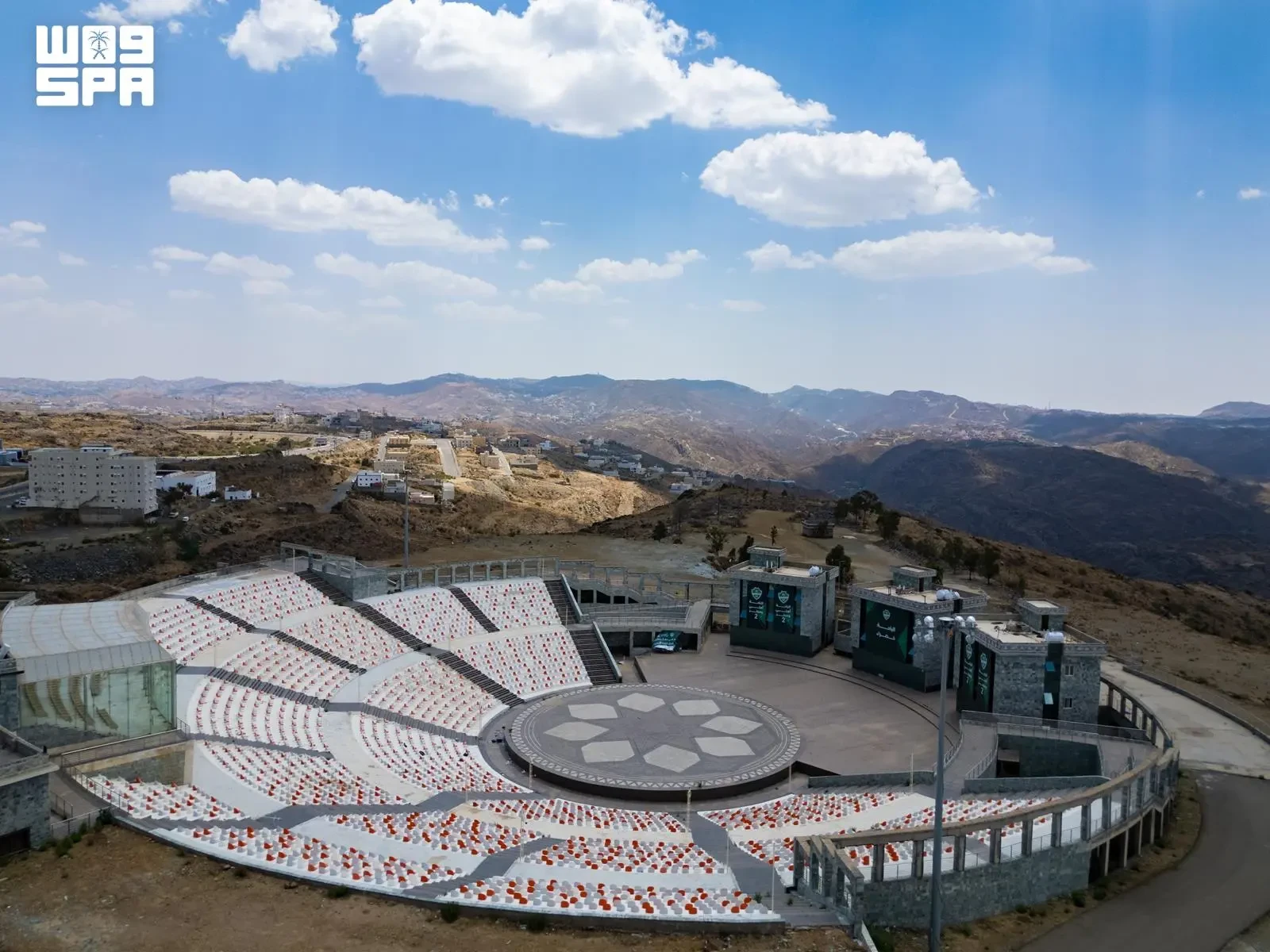
The theater was developed by Al-Baha Municipality at a reported cost of SR52 million ($13.9 million), and covers about 12,000 square meters alongside King Abdulaziz Road on the route connecting Taif and Asir through Al-Baha.
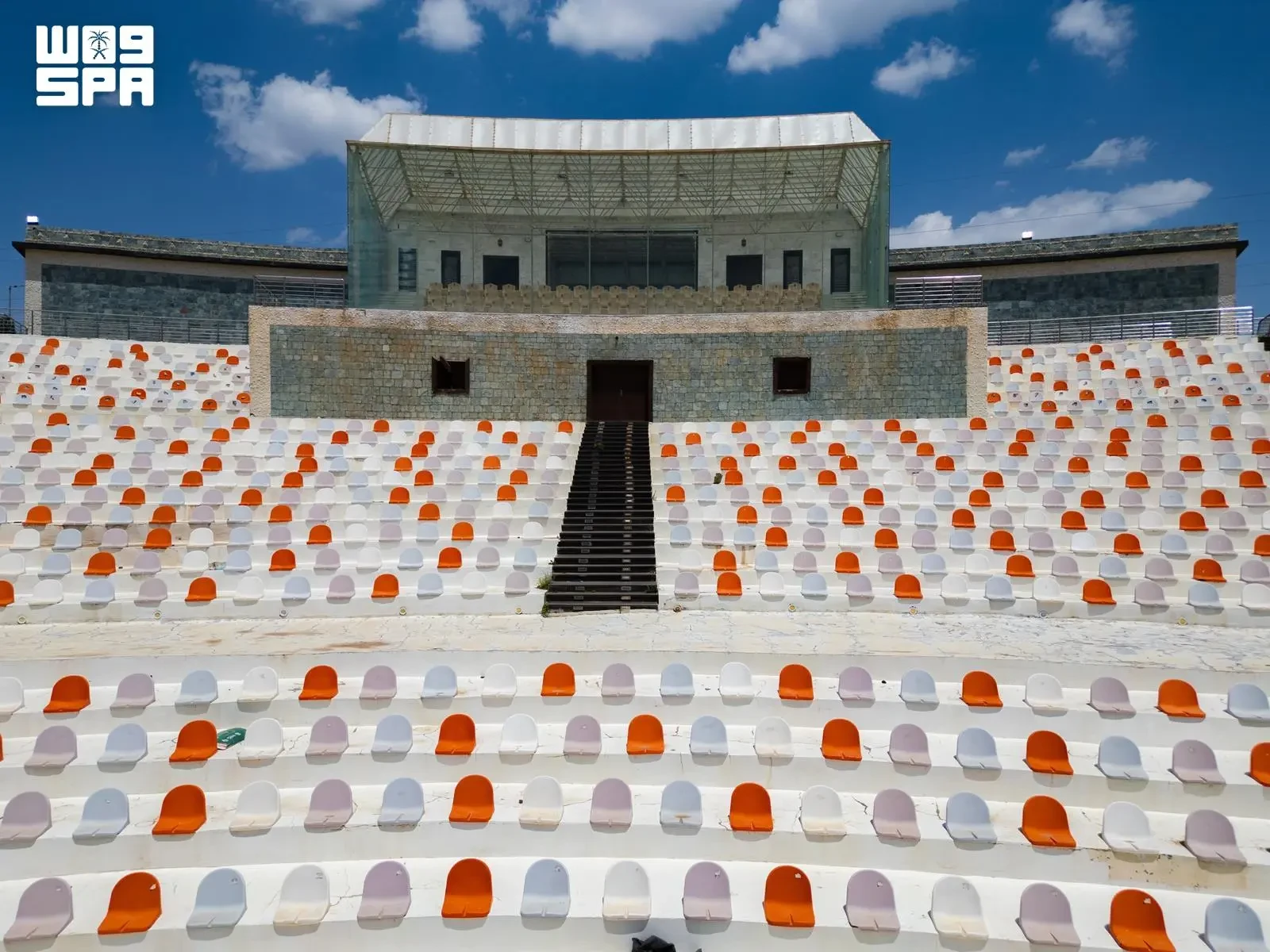
Its open-air seating accommodates more than 5,000 spectators, while a royal platform seats 300 guests. The complex also features VIP halls, support facilities, and parking for more than 1,000 vehicles.
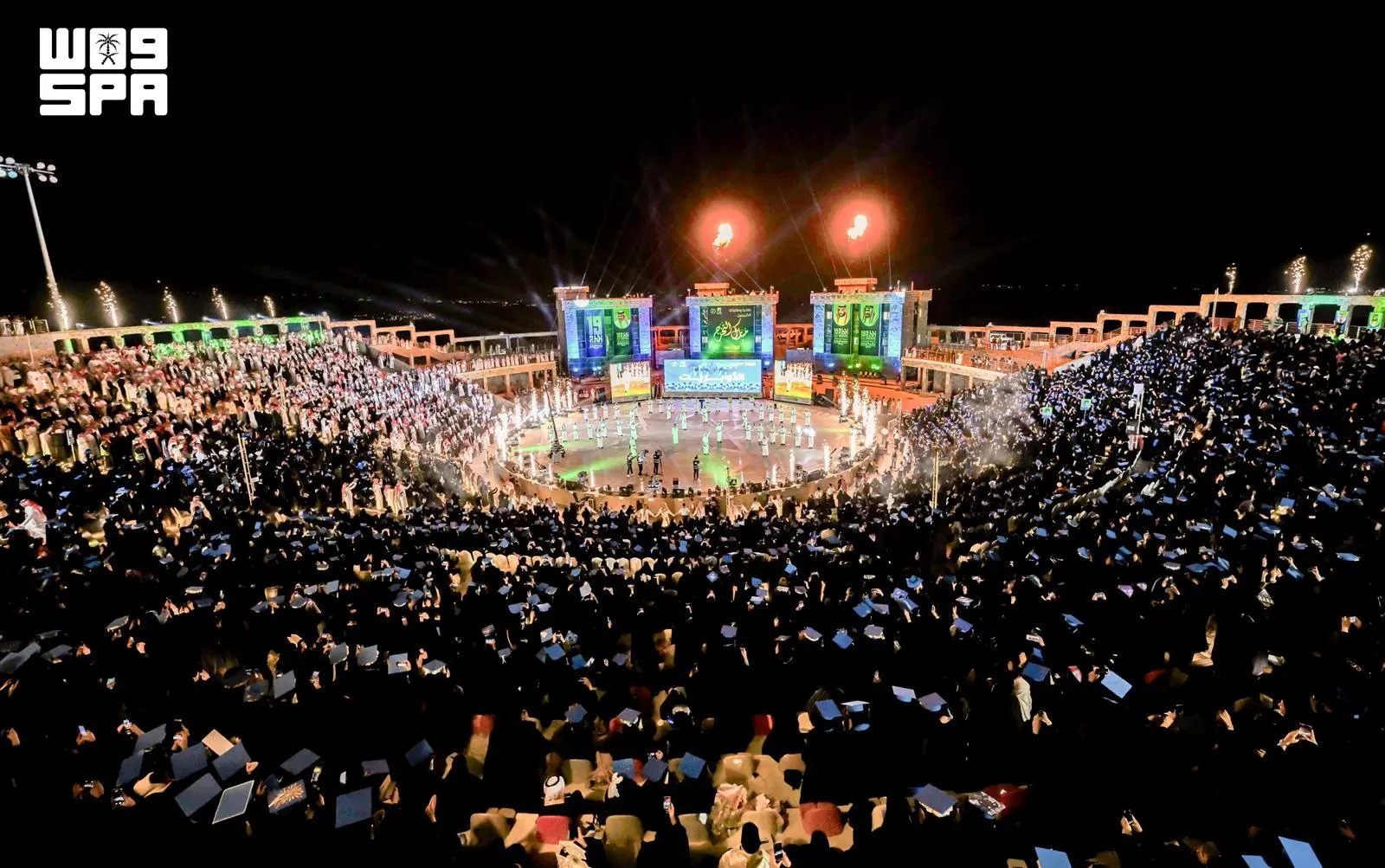
The theater began operating in June 2019 when it hosted the opening ceremony of that year’s Al-Baha Summer Festival. A month later, it welcomed a concert by Saudi singer and composer Mohammed Abdu, marking the return of large-scale musical performances to the region.
Since then, it has served as a venue for a range of cultural, national and entertainment events, including the annual Al-Baha Summer Festival.
The venue’s cultural role is reflected in its architecture. At the heart of the complex is a stage designed to accommodate a variety of performances, public events and entertainment programs. Behind it stand three three-story buildings clad in locally sourced stone and dedicated to performers, forming an architectural backdrop inspired by the traditional stone-built villages of Al-Baha.
Beyond their functional purpose, the structures contribute to the venue’s visual identity, incorporating elements of the region’s historic building style and reinforcing its connection to local heritage.
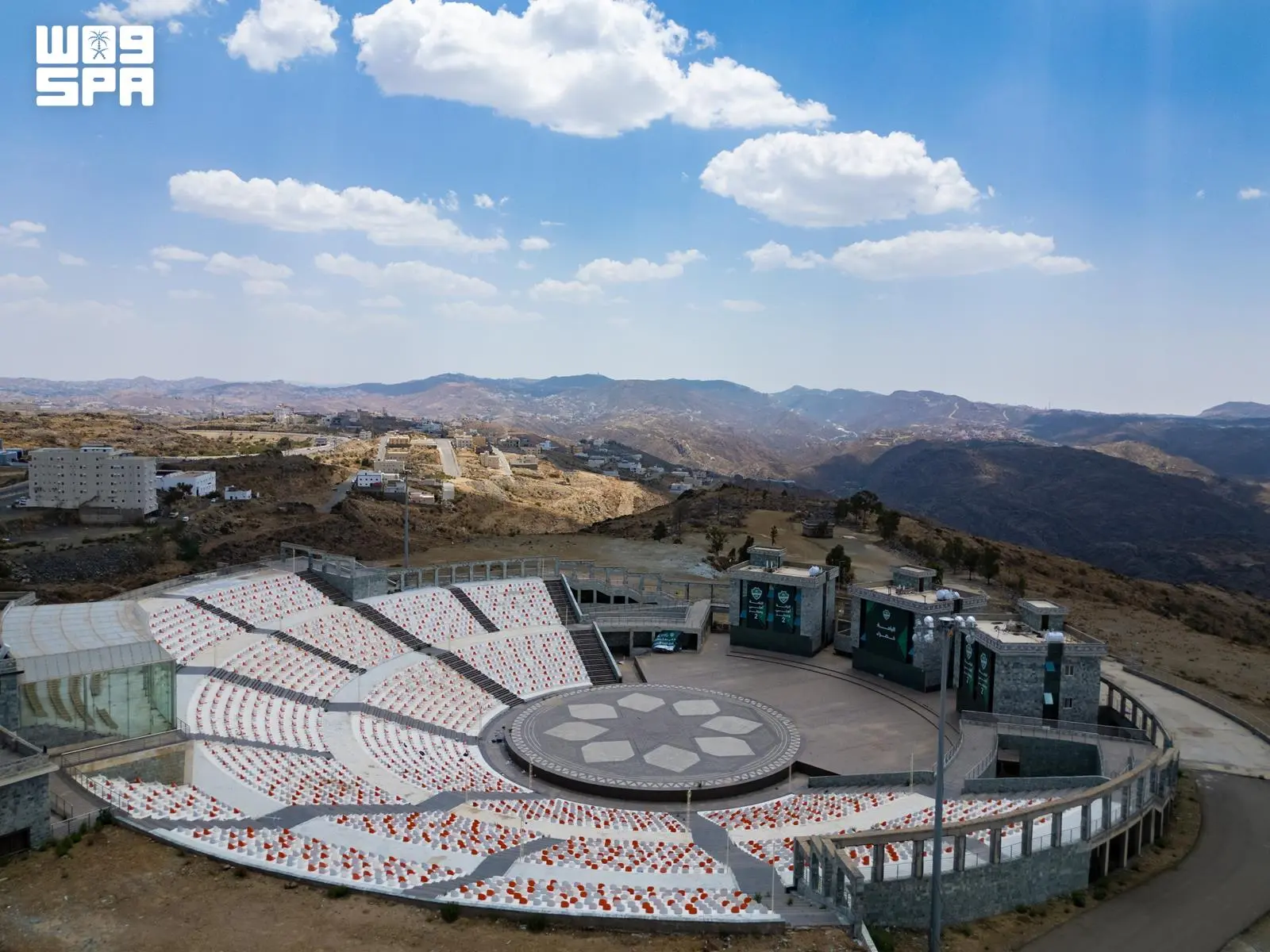
The theater’s design also takes advantage of the site’s naturally sloping terrain. Rather than imposing a structure on the landscape, planners integrated the facility into the mountainous topography, allowing seating areas and public spaces to follow the contours of the land.
The use of local stone across facades and architectural features further strengthens its link to Al-Baha’s built heritage, giving the venue a distinctive character rooted in the region’s environment and architectural traditions.
Al-Baha’s climate also makes the venue well-suited to outdoor events. Official regional information describes the area’s spring and summer seasons as mild and pleasant, while Visit Saudi lists summer temperatures ranging from 22 to 35 C. Cool evenings, mountain breezes, seasonal mist, and summer rainfall distinguish the region from the hotter conditions experienced across much of the Kingdom during the summer months.
Marawah Open-Air Theater illustrates how tourism and urban development projects in Saudi Arabia are adapting to the Kingdom’s diverse landscapes while creating spaces for shared cultural experiences.
As new attractions increasingly draw on local climates, architectural traditions, and regional heritage, Saudi Arabia’s cultural landscape is becoming as diverse and distinctive as its geography.