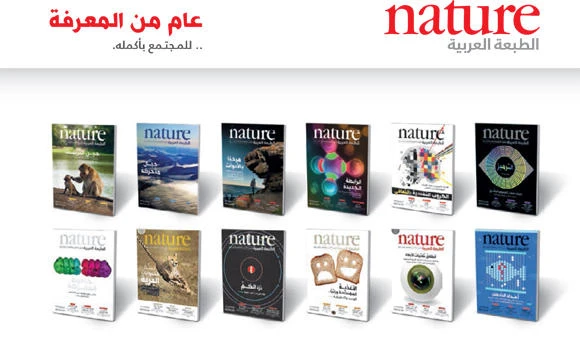
RIYADH: The August issue of ‘Nature’, the monthly magazine of King Abdulaziz City for Science and Technology (KACST), will focus on Middle East Respiratory Syndrome (MERS) corona, which has affected 1,055 people in the Kingdom since June 2012.
The total number of deaths due to the contagion in Saudi Arabia has reached 466 and the recoveries have been recorded at 581. Eight patients are being treated in hospitals.
The ‘Nature’, in its 35 edition will highlight a wide range of topics, including fields on medicine and pathology.
The article on MERS will analyze the pattern of growth in the Kingdom since its outbreak in June 2012 and make an in depth study on the disease, causes, treatment and preventive methods.
Last week, the National IHR Focal Point for the Kingdom of Saudi Arabia notified the World Health Organization (WHO) of six additional cases. Globally, since September 2012, WHO has been notified of 1,374 laboratory-confirmed cases of infection with MERS-CoV, including at least 490 related deaths.
Based on the current situation and available information, WHO encourages all its member states to continue their surveillance for acute respiratory infections and carefully review unusual patterns.
Infection prevention and control measures are critical to prevent the possible spread of the disease in health care facilities. It is not always possible to identify patients early because like other respiratory infections, the early symptoms of MERS-CoV are non-specific.
Health care workers should always apply the standard precautions with all patients, regardless of the diagnosis. Droplet precautions should be added to the standard precautions when providing care to patients with symptoms of acute respiratory infections; contact precautions and eye protection should be added when caring for probable or confirmed cases of MERS-CoV infection; airborne precautions should be applied when performing aerosol generating procedures.
Until more is understood about MERS-CoV, people with diabetes, renal failure, chronic lung disease, and immunocompromised people are considered high risk group. Therefore, WHO has said that these people should avoid close contact with animals, particularly camels, when visiting farms, markets or barn areas where the virus is known to be potentially circulating.
MERS to find space in KACST magazine