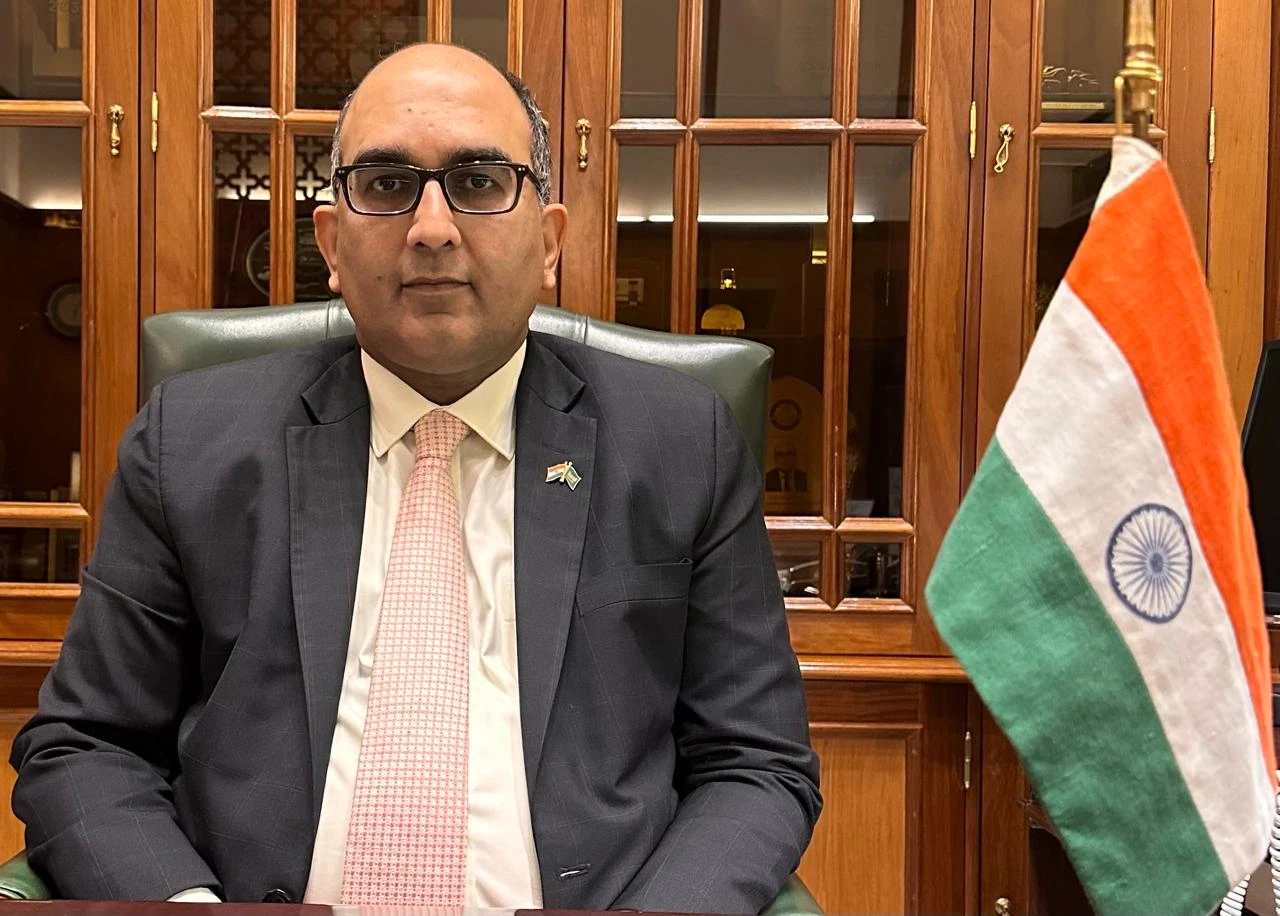
South Africa is seeking an increase in its Haj quota from 2,500 to 6,000, the country’s consul general said recently.
“An ideal quota for South Africa would be 6,000,” said Ebrahim Edries. South Africans would be “extremely satisfied” if this was approved by Custodian of the Two Holy Mosques King Abdullah.
Edries said that South African officials have spoken to the Saudi authorities about this situation. He claimed that other minority Muslim countries such as Australia and New Zealand are not subject to the 0.1 percent quota.
“They are given a baseline number. For example, the Muslim population of South Africa is similar to those of Australia and New Zealand but they bring 14,000 pilgrims whereas we are allowed only 2,500,” he said.
“We would also like to be treated like Australia and New Zealand. We are not asking for 14,000 because it is probably unlikely that we would be able to fill it every year with first-time Hajis.” He said some South Africans who performed Haj 20 to 50 years ago might want to come again.
He said 90 percent of the quota could be filled with first-time pilgrims. The other 10 percent would come from pilgrims who performed Haj over 10 years ago. Currently only first-time pilgrim come for Haj, he said.
Before the country became a democracy in 1994, South African pilgrims were the only people who could get visas on arrival for Haj because Saudi Arabia did not have diplomatic relations with the Apartheid regime.
Until the early 1990s nearly 10,000 pilgrims used to come for Haj every year. After 1994, Saudi Arabia opened its embassy in South Africa and had to regulate Haj matters. “Then we were subjected to an OIC (Organization of Islamic Cooperation) quota of 2,500.”
He said South Africa is a secular country with no official organization for pilgrims. However, Muslims have established a nonprofit company called the South African Haj and Umrah Council (SAHUC) to coordinate all Haj-related matters. The company does not raise funds for pilgrims. “Of course, ideally we would like to establish something like Tabung Haji (the Malaysian body that raises funds for pilgrims). It is up to individuals to make their own plans. But they need permission from SAHUC because of the quota system.”
South African pilgrims follow certain practices before leaving for Haj. These vary from region to region. For example, in the Western Cape, people go to neighborhood mosques for two-hour Haj lessons every week for two to three years before they depart for Haj.
Edries said that South Africa intends to have observer status at the OIC because 27 African countries are already members of the organization.
Arab News