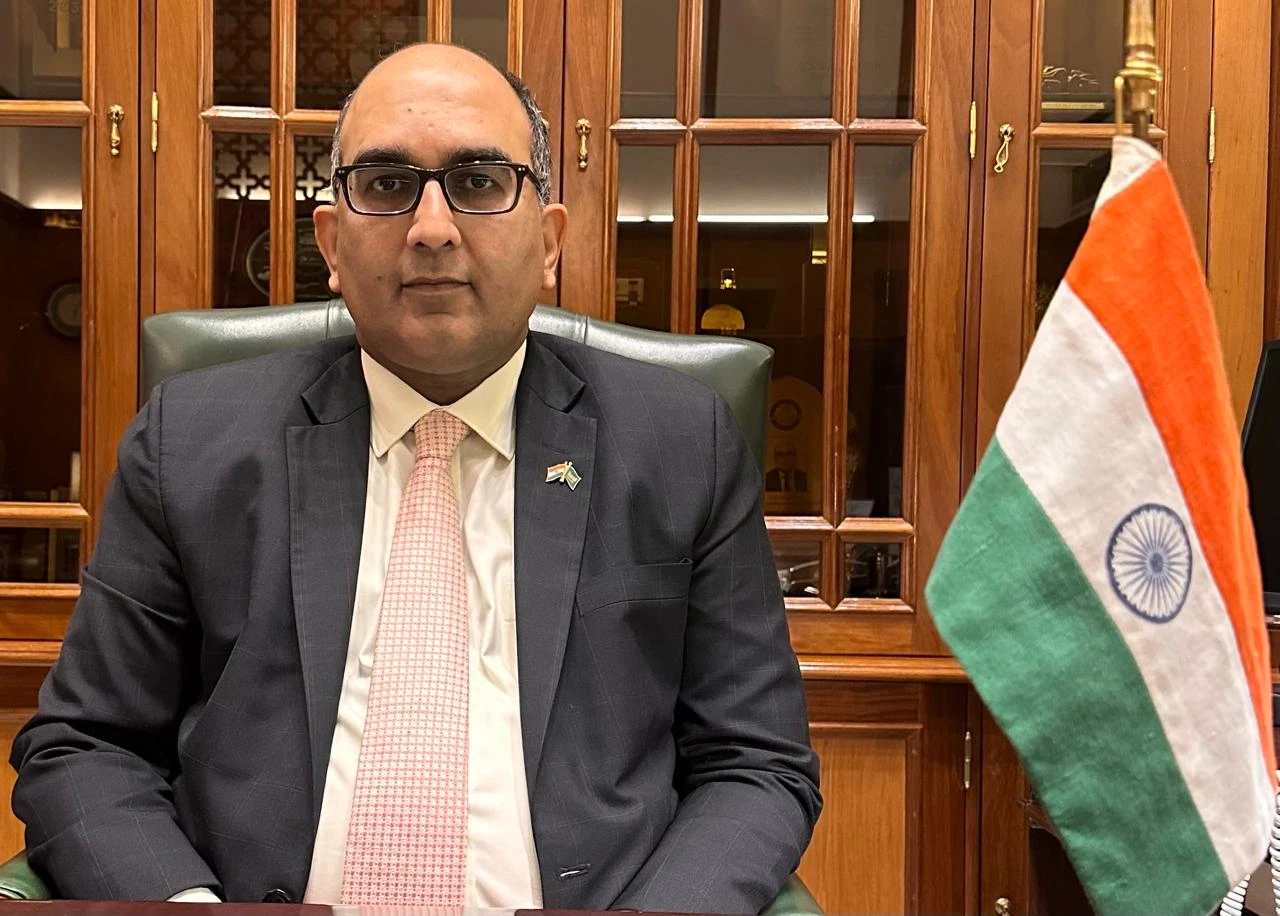
An agreement signed between the Ministries of Education and Labor excludes private and international schools from inspection campaigns until next semester to give them a chance to correct their status, said Abdulrahman Al-Haqabani, chairman of the National Committee of Foreign and Private Education at the Council of Saudi Chambers.
Al-Haqabani’s statement contradicts a statement issued by the Ministry of Labor, which says that there will be no exemptions from the inspection campaigns. He said action with regard to these schools has been delayed to help 200,000 students continue with their studies uninterrupted.
He called on authorities to allow teachers who have an ordinary diploma to work in schools because they have more than 20 years of experience in the field of teaching.
Many expatriate teachers refused to transfer their sponsorships because they were afraid of being separated from their husbands if made redundant.
The following are excerpts of an interview conducted by Okaz with Al-Haqabani.
You said the Ministry of Labor has delayed inspections of private and international schools. The ministry has denied this. Who is right?
School authorities have been notified through e-mail about this delay to give them time to correct their status.
What are the reasons behind transferring schoolteachers’ sponsorships?
School owners fail to sponsor around 99 percent of their teachers. Some teachers are not allowed to work because their husbands sponsor them. Others are teaching subjects that are not related to their specialties. All these factors have caused problems in transferring their sponsorships. Schools can’t bring in new teachers on short notice because visas are connected with routine procedures from various authorities.
Is it just a question of transferring sponsorships?
Teachers have often been found to teach subjects that don’t match teachers’ qualifications, which prevented them from obtaining a teaching license even though the ministry allowed them to stay on their husband’s sponsorship. The Ministry of Education refused to allow teachers with an ordinary diploma to work in schools despite the fact that they have been doing so for the past 20 years.
What are the demands of international school owners?
They are demanding a grace period to correct their teachers’ status. We hope they will be granted this request until the end of the school year. They can’t recruit teachers from abroad because of routine procedures. Some teachers have refused to transfer their sponsorships because they are afraid of deportation.
What are the latest statistics for the private education sector?
There are 3,271 private schools with an 11 percent participation rate in public education. There are 572,688 schools in this sector with a 10.1 percent participation in public education. In addition, there are 51,426 teachers with a 10.67 percent participation in public education. The total volume of investments in private education stands at SR11.5 billion.