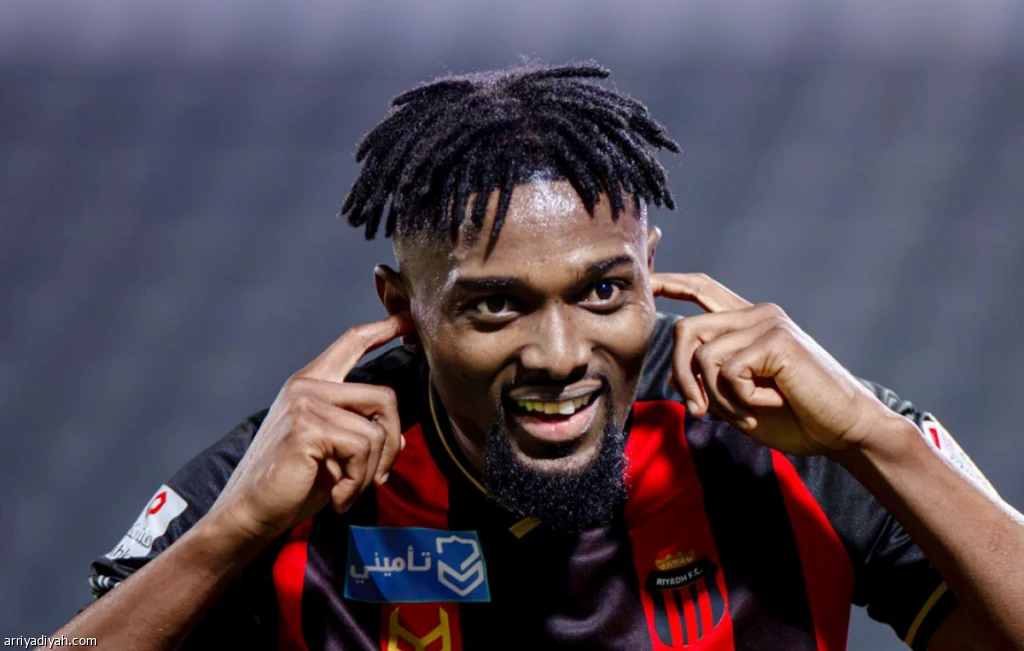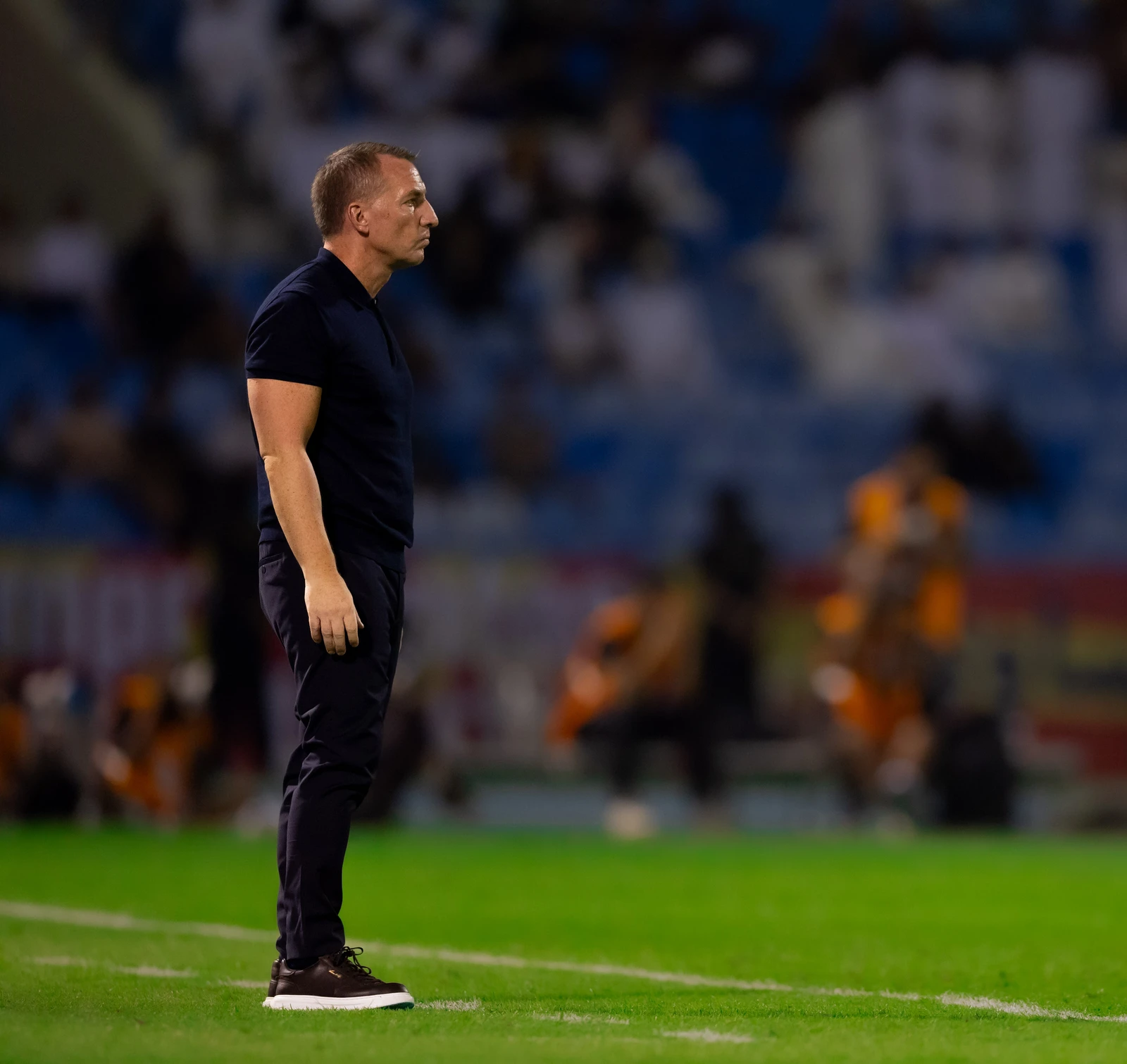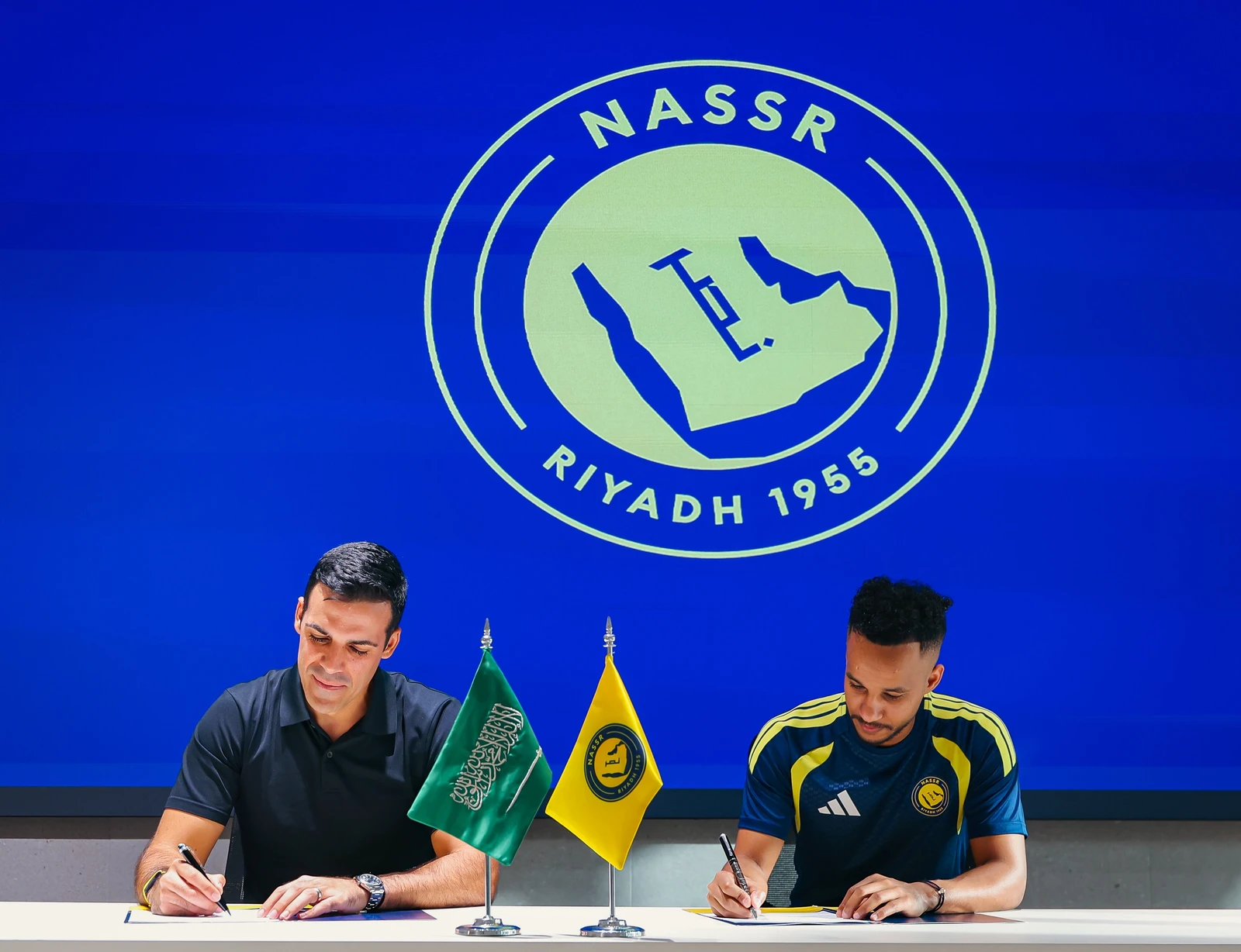
- Al-Ittihad fail to secure Anis Hadj Moussa signing, Gini Wijnaldum joins on free transfer
- Al-Ahli bring in unknown quantity Ibrahima Diaby, Al-Nassr finally renew Abdulrahman Ghareeb’s contract
RIYADH: Deadline day is when fans ask the same question every year: Why are teams scrambling to sign players in the final hours of the window when they had months, including a full pre-season and a handful of competitive fixtures, to do it beforehand?
In the Saudi Pro League this summer, that feeling was amplified — and the drama unfolded in the most bizarre of circumstances.
It cannot be denied that there were other factors at play this summer; this was not just an issue of poor planning or management. On Aug. 19, the Ministry of Sport completed the transfer of the remaining ownership stakes in Al-Ittihad, Al-Ahli, Al-Nassr and Al-Hilal to the Public Investment Fund, bringing their total ownership to 100 percent, meaning the whole situation from the top down was undergoing seismic change.
But the reality is that, of the four PIF clubs, only Al-Hilal emerged as the clear winner. Mapping the timeline of the transfer window, that comes as a surprise as it was Al-Ahli who initially hit the ground fastest. What followed was the story of how three clubs spent the summer scrambling, while the fourth barely had to break sweat.
Before the World Cup final had taken place, Abubacarr Sedi Kinteh, Eduard Spertsyan and Francisco Trincao were all signed by Al-Ahli, while Franck Kessie and Riyad Mahrez had departed at the end of their contracts. Fans were still calling for another midfielder to join Valentin Atangana in the midfield, but other transfers took precedence.
A week after the World Cup, Al-Hilal followed up a string of local signings with the window’s first big arrival — Crysencio Summerville completing his transfer from West Ham.
Drama would soon follow. Just a day later, Al-Hilal’s city rivals saw the official departure of Abdullah Al-Majed, leaving Al-Nassr without an acting president amid a crippling financial crisis.
Arriyadiyah confirmed shortly after that Al-Nassr’s debt exceeded $213 million (SR800 million), with the club unable to secure a replacement for the departing Marcelo Brozovic and blocked from renewing player and staff contracts at all levels — leaving Saudi winger Abdulrahman Ghareeb in limbo. It was the first sign that, of the four PIF clubs, Al-Nassr would emerge in the worst shape.
Transfers among the big four quietened in the first week of August before Al-Ittihad announced the signing of Dion Lopy from Almeria to replace the departing Fabinho.
Shortly after, Al-Nassr finally secured approval for the long-awaited arrival of Samu Costa — their only transfer of the summer and a single signing to show for a window in which their debt, presidential vacancy and contract freeze were only beginning to bite.
It was at this point that Al-Ahli fans were dealt a major blow: Matthias Jaissle had officially been appointed as Newcastle’s head coach, just a week before the start of the Saudi Pro League. Marino Pusic was brought in as his replacement — an unpopular choice with the fans.
Then, the blockbuster announcement of the PIF takeover completion arrived, and its effects rippled through the clubs at once. Within hours, Al-Hilal, Al-Nassr and Al-Ahli announced that board terms would be extended for 90 days to ensure programs remained running through the transition. Al-Ittihad were the only club of the four to announce the end of their chairman’s term, with Fahad Sindi officially leaving with no permanent successor yet named.
While Al-Ittihad fans welcomed Sindi’s departure, Al-Ahli fans were left furious when, in one of the most controversial moves of the window, Artem Bondarenko was signed. Supporters did not approve, believing he was not the ideal signing to replace Kessie.
As Al-Hilal terminated Karim Benzema’s contract and Ollie Watkins arrived in Riyadh in his place, Al-Ahli fans continued to vent their frustration, this time at sporting director Rui Pedro Braz, casting doubt over the quality of his dealings after reports emerged that Al-Ahli were set to pay Monaco more than €10 million for the services of 19-year-old Pape Cabral.
Their wish was granted on Sept. 3, just three days before the deadline: Osama Hawsawi replaced Braz as interim sporting director, and the Cabral deal collapsed in the process. But Al-Ahli eventually signed 19-year-old Ibrahima Diaby from Cercle Brugge for €12 million, with fans once again questioning the price tag for a player with just one senior season to his name.
This prompted fans to draw a connection between Cercle Brugge and Monaco, questioning whether there was a specific reason these two clubs had featured so prominently in Al-Ahli’s most scrutinized deals of the summer.
The trail led to Russian billionaire Dmitry Rybolovlev, who holds the presidency of AS Monaco and owns Cercle Brugge. Once Al-Ahli supporters connected those dots, they began to question what was truly happening behind the scenes — especially given that both Cabral and Diaby’s Transfermarkt valuations did not surpass €1.5 million, a gap between valuation and fee that, fair or not, was always going to invite scrutiny once the ownership link became public.
Al-Ittihad’s own deadline-day drama was still to come. The league’s worst-kept secret was finally confirmed in the final week of the transfer window when Moussa Diaby left Al-Ittihad for Leverkusen. Without a first-team right winger, Al-Ittihad pursued Anis Hadj Moussa from Feyenoord, but the Dutch club — haunted by memories of Al-Nassr’s last-minute exit from the David Hancko deal last summer — refused to sell unless they received bank guarantees from Al-Ittihad, which the club could not provide in time.
Al-Ittihad were left with one option: Georginio Wijnaldum, who signed as a free agent following his time at Al-Ettifaq. The club now enter the next four months without a right winger and a congested central midfield of Lopy, Wijnaldum and Richard Rios, who joined on loan from Benfica three days prior.
Meanwhile, Al-Nassr offered little relief. Still reeling from their defeat to Al-Ittihad on Sept. 5, the club finally managed to renew Abdulrahman Ghareeb's contract ahead of the squad registration deadline, but a cloud of frustration has taken over the club after the constraints imposed by the Financial Oversight Committee. One signing all summer, a presidency still unfilled, and a squad held together at the last moment, Al-Nassr’s window is the starkest illustration of what happens when a club loses clear leadership during a period of institutional upheaval.
Al-Hilal’s deadline day was quiet — and deliberately so. By Sept. 3, everything had already been sorted: Kingdom Holdings had officially acquired 70 percent of the club’s share capital two days earlier, and Gabriel Martinelli had signed to complete what promises to be the league’s most dangerous front three alongside Summerville and Watkins.
But while the Blues can take satisfaction in their transfer window, the rest of the clubs have shown worrying signs of mismanagement — and the problem starts at the top.
Since the 2023 takeovers, the PIF clubs have brought in wave after wave of European executives, sporting directors and technical staff to professionalize their operations. Yet this summer suggests that expertise has not translated into competence.
If anything, it could be said that their involvement has made Saudi clubs easier to exploit: clubs abroad have learned these executives will pay well above market value once a Saudi crest is attached to the deal.
While that was a targeted strategy in 2023 to fill the league with stars, the Saudi Pro League has since moved to phase two — prioritizing talented players in their mid-20s over the world’s biggest names. What the summer transfer window revealed is that there is still a long way to go before the right transfer strategies are in place.