
- Kings League official says format is built for a generation that consumes football differently, rather than competing with it
- The league’s Split 1 season runs through September and October, with Kings Cup MENA's viewership numbers serving as early proof of concept
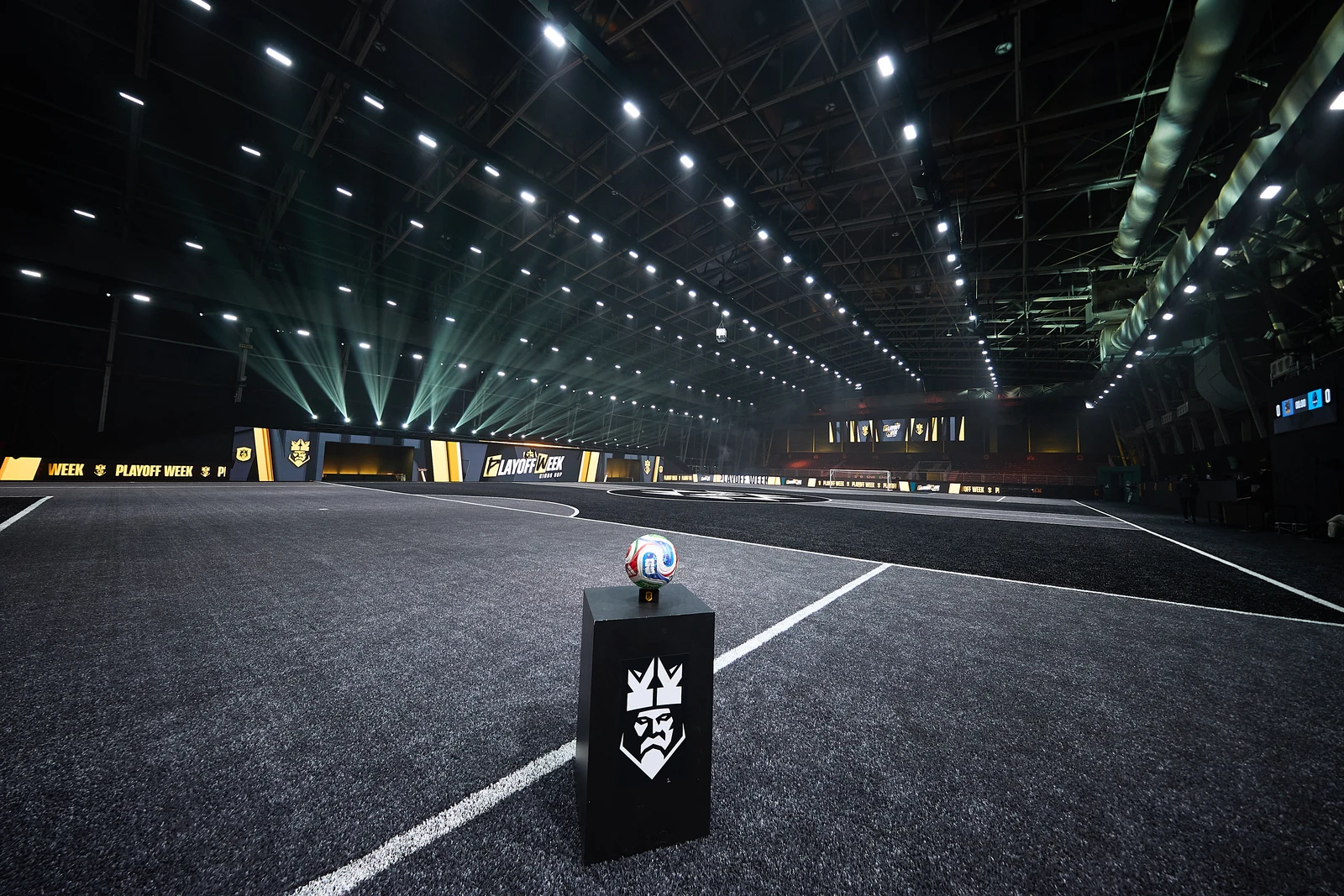
RIYADH: As the Kings League kicked off its first full-length season in the Middle East on Friday, all eyes were on Cool Arena at Boulevard Riyadh City as the venue welcomed the second iteration of this new format of football.
Two 20-minute halves, seven players on each side, secret cards that unlock in-game bonuses and the President’s Penalty: The Kings League MENA Split 1 will take place in Riyadh throughout September and October, with the finals concluding on Oct. 30 after nine matchdays and quarterfinals on Oct. 26.
Each of the Kings League clubs is led by a president — not the billionaire businessmen who lead today’s biggest clubs, but the region’s biggest content creators and streamers.
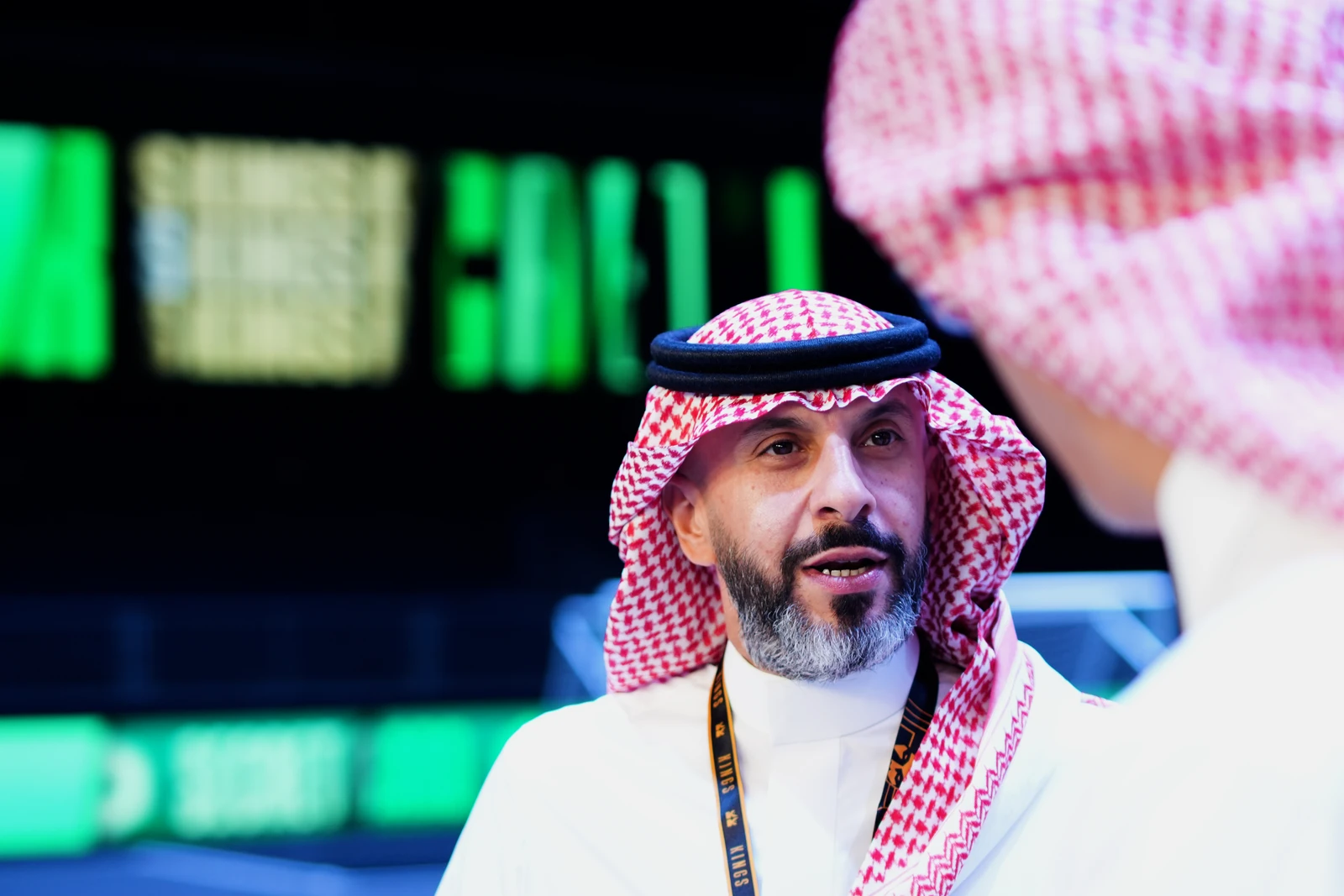
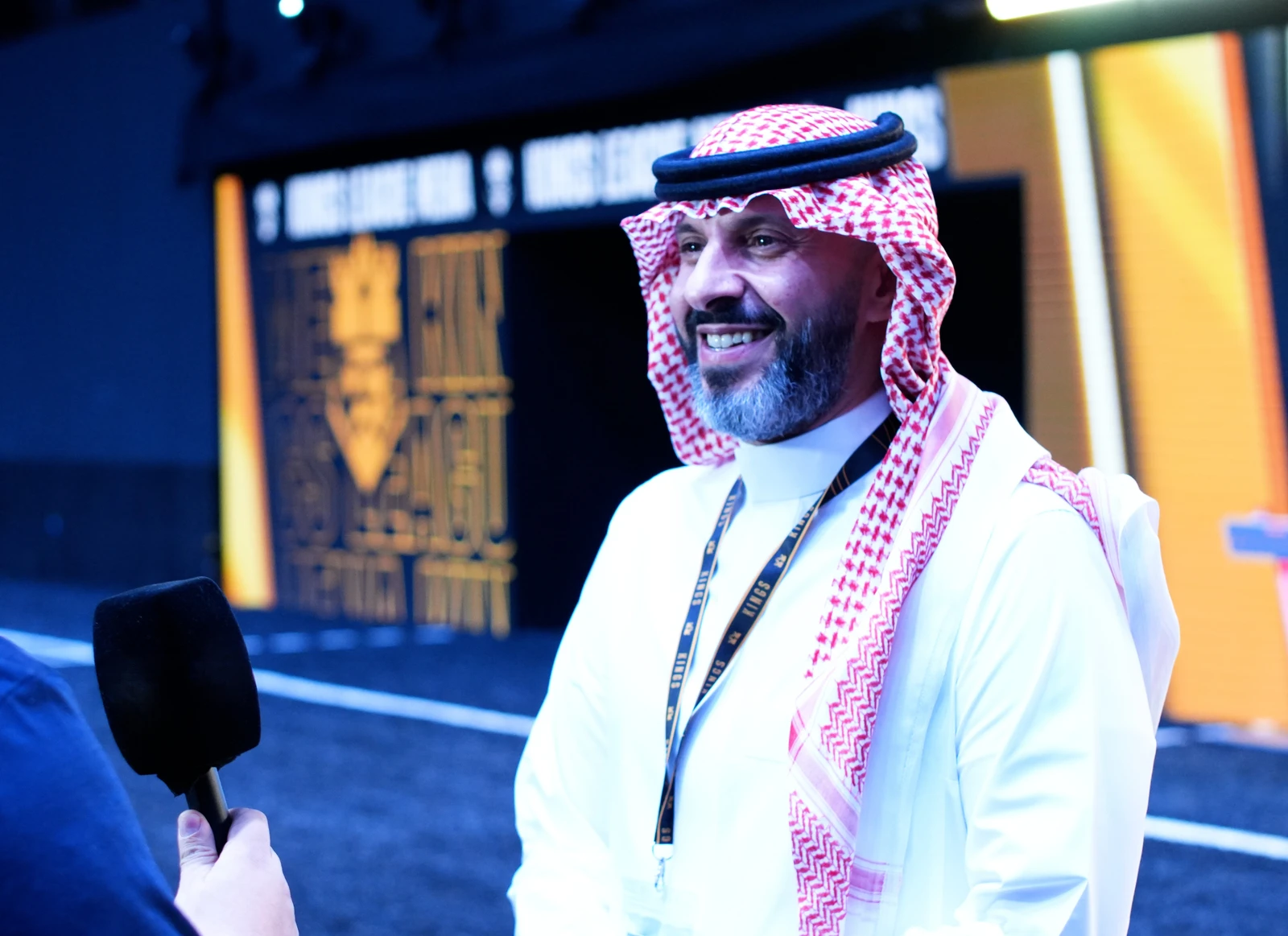
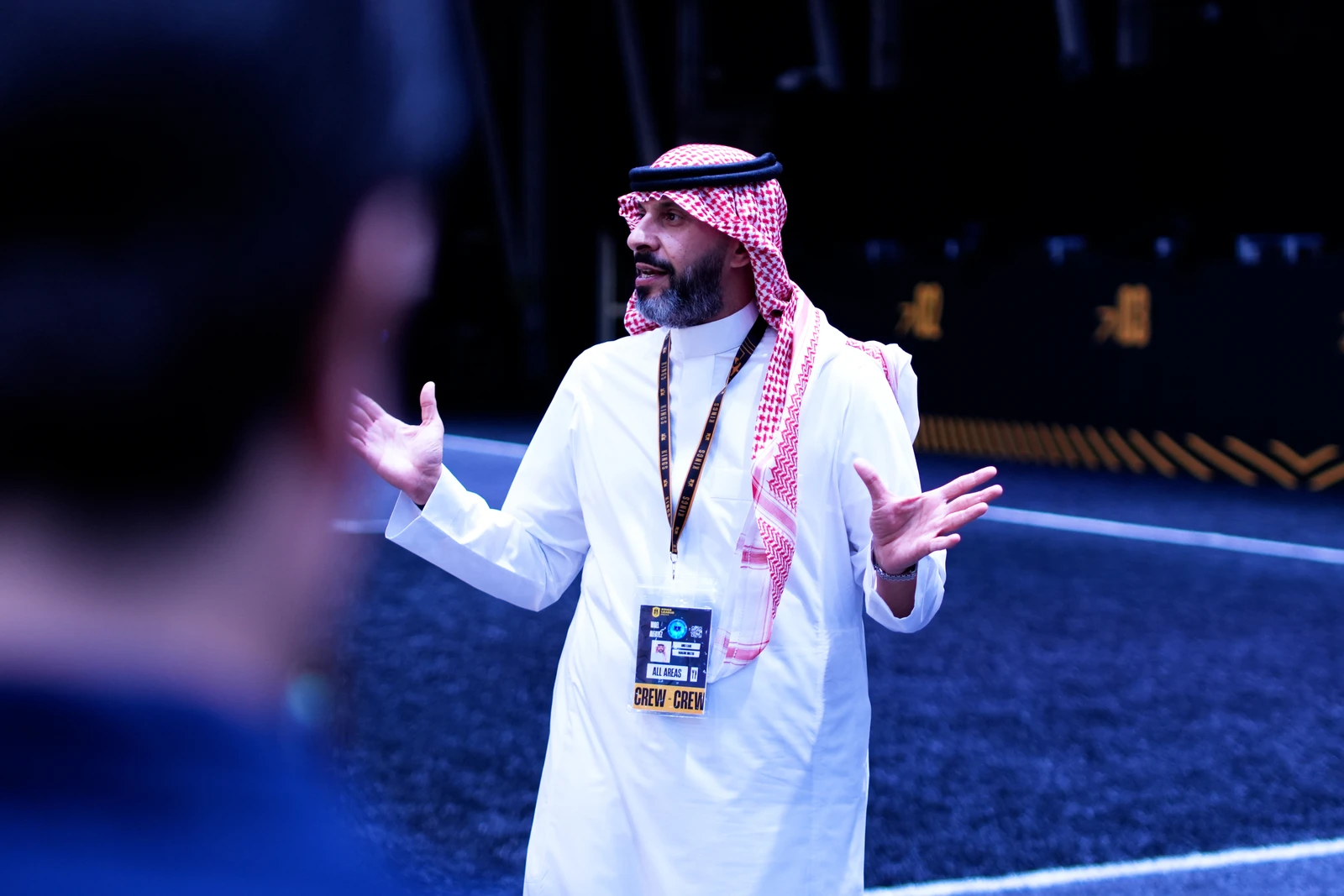
“Kings League is sport reimagined for the digital-native generation,” said the league’s MENA managing director, Wael Al-Fayez, who comes from the Saudi Pro League, where he served as chief commercial officer.
Al-Fayez’s background in traditional football and belief in this format will help the league bridge the gap between the two.
“During my time at the Saudi Pro League, I saw first-hand how quickly media rights, digital consumption and fan engagement models are evolving,” he told Arab News. “Audiences are changing, platforms are changing, and sports properties have to think differently about how they reach and involve fans.
“Today’s audiences not only watch the match — they also follow personalities, interact live, create and share content, and feel part of a community.”
The numbers back that up. Many Kings League clubs and creators command a following larger than that of traditional football clubs in the Middle East. The Kings Cup MENA — the first time the concept came to the region — was the first real litmus test.
“At the Kings Cup MENA last year, the opening matchday attracted 2.2 million livestreaming viewers, our social media content generated 717 million impressions, and at one point we had 40,000 fans in the online queue for tickets — when we were selling just 1,300 tickets per session,” said Al-Fayez.
But the question of whether the Kings League is a competitor to traditional football or an ally has not been fully settled. The reality is that there would be no Kings League without traditional football — but dismissing the fact that younger generations consume 90 minutes of football differently is a mistake.
It is, in fact, why Gerard Pique came up with the Kings League in the first place — when he noticed his kids were not interested in traditional 90-minute matches.
Recent studies support that view. In Altman Solon’s Annual Global Sports Survey, researchers found that 18-to-34-year-olds spend almost three times as much time on non-live formats as on live sports. Research from global technology company Bango goes even further, showing that 51 percent of Generation Z say highlights are replacing live sports for them — as of June 2026.
Those age groups are where the Kings League thrives. “We now have nearly 40 million social media followers on official channels globally, of which more than 80 percent are aged under 34,” Al-Fayez said.
“It is not simply a traditional football product with a digital layer added on top — the format is built around how this generation already consumes and engages with content.”
But while formats like the Kings League are booming, the biggest question mark often surrounds their long-term sustainability.
“This is not about focusing on one thing: We are building an ecosystem that brings together competitive teams, committed presidents, talented players, passionate fan communities, strong broadcast distribution and long-term commercial partners,” said Al-Fayez.
“Long-term success will come from consistently delivering genuine competition, compelling content and meaningful community engagement.”
Al-Fayez is also a firm believer in the Kings League’s connection with traditional football, and he has no doubt about where it stands: “We do not think we compete with them. The way we look at the it, the Kings League complements traditional football.”