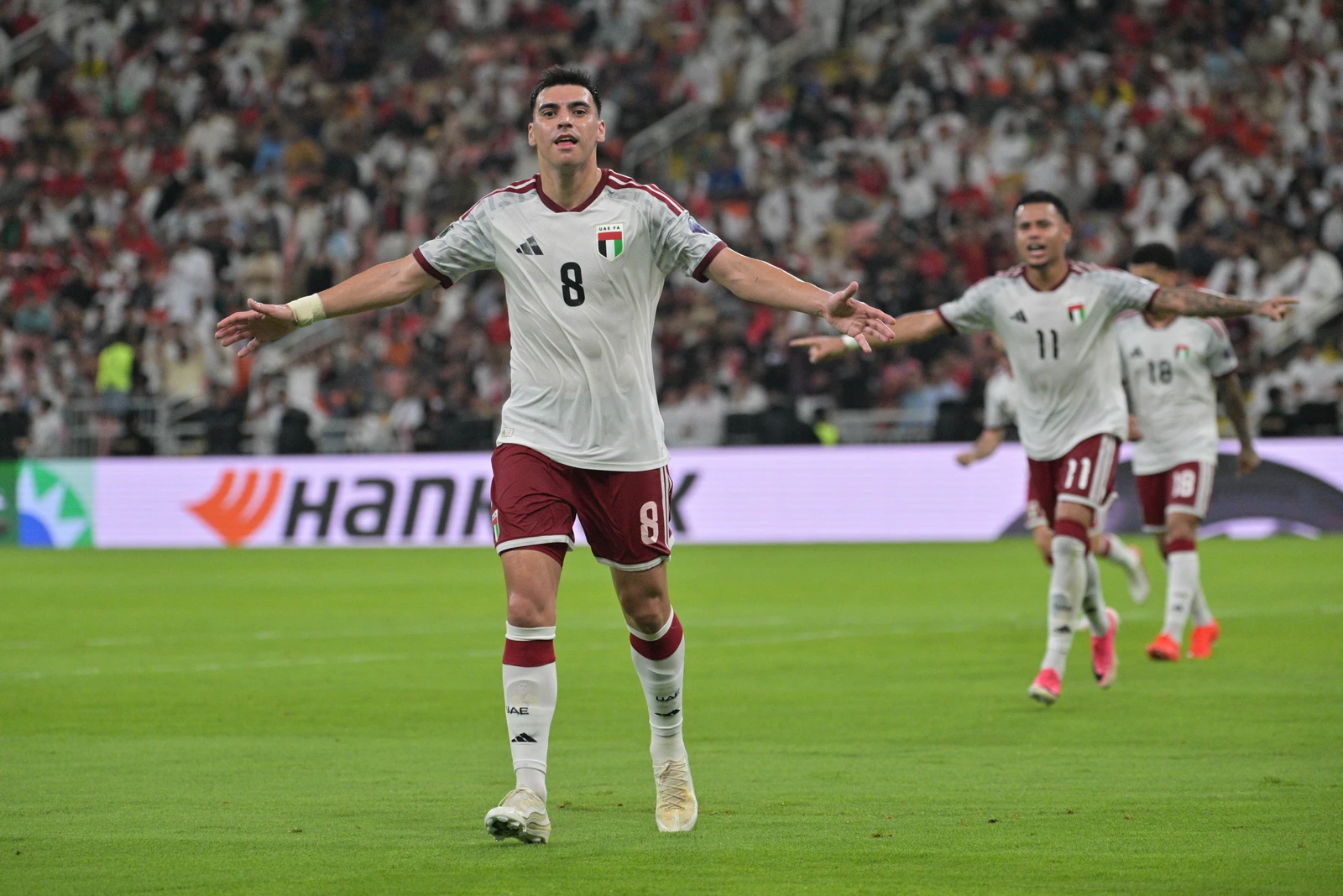
RIO DE JANEIRO: Simmering civil tension and the stench of corruption threatens to sully Brazil’s global soccer party when the World Cup kicks off on Thursday against a backdrop of protests, unrest and alleged political graft.
What was to be a soccer celebration is in danger of being hijacked by off-field issues as a growing furor surrounding FIFA over alleged vote-buying for the 2022 World Cup stews and anger over domestic political corruption broils throughout Brazil.
Brazil’s President Dilma Roussef vowed that her country is ready to host the most trouble-plagued World Cup in history as she confronted public anger at the multi-billion-dollar price tag.
The start of the four-yearly extravaganza is the acid test for organizers and football’s governing body FIFA, who have been scrambling to get Brazil ready for the biggest single sport event.
The first of 64 matches which culminate with the July 13 final in Rio de Janeiro will be staged in the Corinthians Arena, a symbol of the chaotic build-up.
Rousseff acknowledged that organizing the cup was tough, but she insisted that the 12 stadiums are ready and told foreign fans Brazil would welcome them with “open arms” like Rio’s Christ the Redeemer statue.
“Brazil overcame the main obstacles and is ready on and off the pitch for the cup,” she said in a nationally televised address.
Rousseff said she understood the protesters but insisted they are wrong.
“For any country, organizing a cup is like playing a game, sweating and often suffering, with the possibility of extra-time and penalty kicks,” Rousseff said. “But the final result and celebration are worth the effort.”
Construction of the $424 million (313m euros) 61,600 Sao Paulo venue ground to a halt in November when a giant crane toppled over and killed two workers. A third laborer died in an accident in March. Eight workers have died while racing to complete World Cup-related projects.
The 12 World Cup stadiums were due to be ready by the end of December. Six missed the initial deadline.
Only this week, workers could be seen busily wiping seats, checking beams and installing wiring just days before the opener, which will be attended by 12 heads of state, UN Secretary General Ban Ki-Moon and assorted VIPs.
The ghosts of 1950
The hosts are favorites to clinch a record-extending sixth World Cup crown come the July 13 final at Rio’s Maracana stadium, and certainly it would be a triumph to finally exorcise the ghosts of 1950.
Sixty-four years ago the tournament was held with a round robin format and the Brazilians needed a draw to win the title in front of 200,000 fans at the Maracana.
However, they were beaten 2-1 by Uruguay in a national tragedy known as “the Maracanazo.”
While there will be some 100,000 fewer people in the rebuilt Maracana for the 2014 tournament, expectation will be no less weighty.
That does not bother their wily coach Luiz Felipe Scolari, who led Brazil to their fifth triumph 12 years ago.
“Every day I am more and more certain we are going to win the World Cup,” he said, allowing no room for failure.
“I know we must respect other teams but generally speaking we are better. Be with us during the World Cup: participate, jump up and down, get into the spirit.
“We want you to help us particularly when we are in trouble because that is when you can make the difference.”
Lukewarm campaigns
Brazil have their script — one involving locals suspending their anger at the eye-watering cost of the tournament held with a backdrop of rising inflation, urban gridlock and soaring crime — but there are no shortage of other teams and players lining up to take their place in the pantheon of soccer giants.
Argentina’s Lionel Messi tops the list.
Considered by most to be the world’s best footballer, the Barcelona phenomenon has never hit the heights at a World Cup.
Unless he does, as the likes of Pele, Johan Cruyff and Diego Maradona have before him, there would always be a hint of a question mark over a career in which in every other way has touched the stars.
At the age of 26, a veteran already of two lukewarm World Cup campaigns, Messi has never really been embraced by Argentine fans. It doesn’t help that he was brought up in Spain after local clubs allowed him to slip through their fingers.
But a triumphant World Cup in their biggest rival’s backyard could elevate the 5ft 7in forward, four times World Player of the Year, to the level of the similarly diminutive but much-revered World Cup-winning Maradona in his homeland.
But Argentina are much more than Messi, who will have great support from the other three members of the “Fantastic Quartet” Gonzalo Higuain, Sergio Aguero and Angel Di Maria.
“We’re more together than ever because of the dream we all have,” skipper Messi said after Argentina breezed past Slovenia in their final World Cup warmup.
Formidable Germans
The formidable Germans have their minds set on a slice of history for themselves. No non-South American team has triumphed in these parts, but Joachim Loew’s stylish squad have observers lining up to say that spell is ready to be broken.
Without a major title since the 1996 European Championship, it has been quite a while between drinks for a nation used to toasting tournament winners, but with creative dynamo Mario Goetze at the heart of their machine, the wait may be about to end.
Another European powerhouse is not ready to relinquish its grip on the World Cup, however, and champions Spain will also be a formidable force.
Vicente del Bosque led La Roja to victory in Johannesburg four years ago and to the European title in 2012, and his side is still packed with some of the best passers in the game.
Some critics argue that the heart of that team is over the hill but there is new blood in the shape of Diego Costa, the Brazil-born striker whose call-up by Spain has been a dagger blow to the host nation.
Brazil’s coach Scolari said Costa was “turning his back on the dream of millions” in choosing Spain over his homeland, but the Atletico Madrid forward could instead be embracing World Cup glory if Del Bosque can work his magic one more time.
Three more former winners will fight it out in Group D as one of Italy, England and surprise 2010 semi-finalists Uruguay will be going home early.
Uruguay, more specifically the hand of striker Luis Suarez, prevented Ghana becoming the first African nation to reach the semifinals four years ago in South Africa.
The Black Stars are back again but, along with the other four African representatives, they will have to punch above their weight to shatter that toughened-glass ceiling.
Arab News