RIYADH: Middle Eastern airlines recorded 1.7 percent annual growth in air cargo demand in July, while their international passenger decline eased to 9.5 percent as traffic through Gulf hubs continued to recover, industry data showed.
International passenger capacity among the region’s carriers fell 5.8 percent from a year earlier, while the load factor declined by 3.3 percentage points to 80.9 percent, according to the International Air Transport Association.
Across domestic and international operations, Middle Eastern carriers recorded a 10 percent decline in demand and a 6.2 percent reduction in capacity. Their overall load factor stood at 80.7 percent, down 3.4 percentage points.
Globally, passenger demand increased by 0.2 percent in July, measured in revenue passenger-kilometers. Excluding the Middle East, the increase was 1.2 percent. International demand declined 0.1 percent, but would have risen 1.5 percent without the region.
“Notably, traffic through the Gulf hubs continues its recovery trajectory. Although high fuel costs, economic uncertainty and geopolitical tensions continue, carriers are expressing confidence in demand for the last part of the year with an almost 3 percent expansion of seat capacity in September,” said Marie Owens Thomsen, IATA’s senior vice president for sustainability and chief economist.
Cargo corridors remain pressured
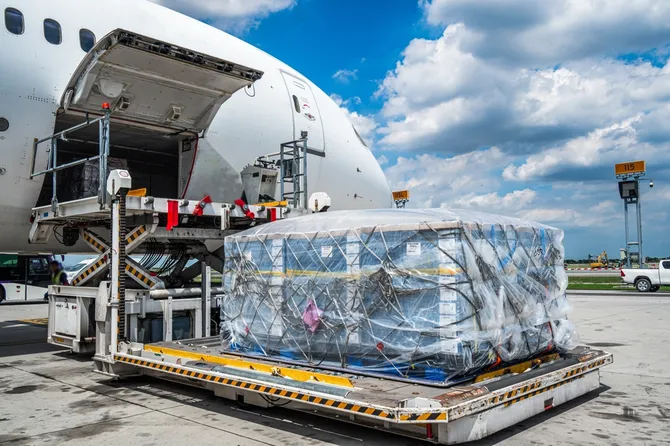
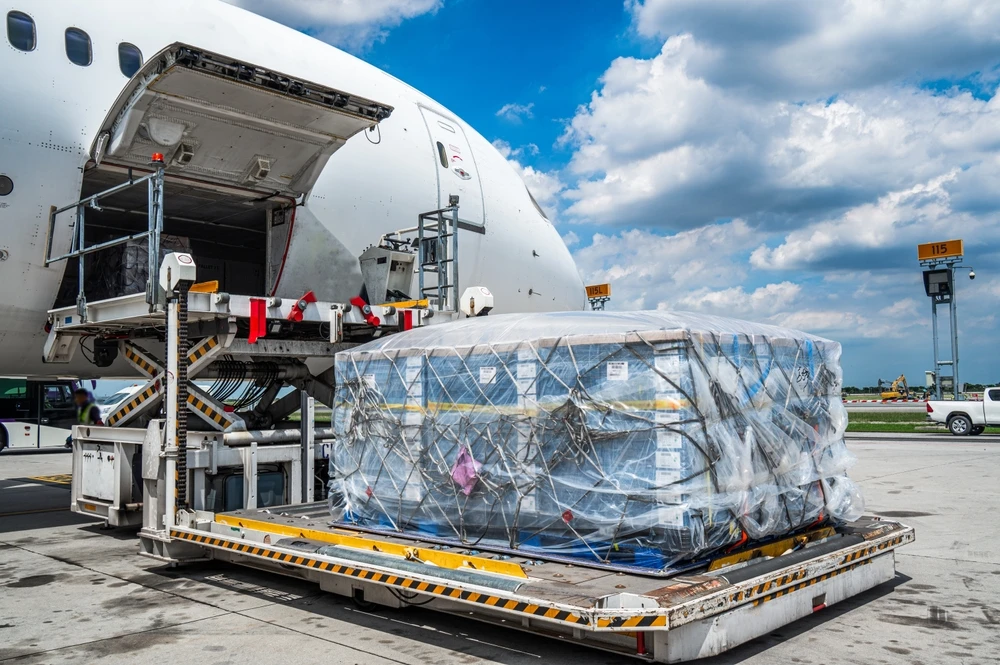
Middle Eastern air cargo capacity increased by 4 percent year on year in July, outpacing the 1.7 percent rise in demand. This pushed the region’s cargo load factor down one percentage point to 44.1 percent.
The region accounted for 13.2 percent of global cargo traffic in 2025, making it the fourth-largest market after Asia-Pacific, North America and Europe.
Gulf-linked cargo corridors, however, remained affected by the Middle East conflict. Traffic between Europe and the Middle East contracted by 16.1 percent in July, while the Middle East-Asia route declined by 14.1 percent. Both corridors recorded a fifth consecutive month of contraction.
Worldwide air cargo demand increased by 3.9 percent, with international operations growing by 4.7 percent. Capacity rose by 1.7 percent globally and 1.8 percent on international routes.
Global trade increased by 7.5 percent from a year earlier, while jet fuel prices rose 12.2 percent from June and were 56.9 percent higher annually, adding to cost pressures on airlines.
Saudi aviation context
Saudi Arabia entered the period of regional disruption after a year of strong growth in aviation activity. The General Authority of Civil Aviation said the Kingdom’s airports handled more than 140 million passengers in 2025, an increase of about 9 percent, while connectivity expanded to 176 international destinations.
GACA said in May that contingency measures helped Saudi airports receive more than 2,000 flights operated by carriers from neighboring countries between Feb. 28 and May 3. Those services carried more than 258,000 passengers, according to the authority’s figures.
The Saudi Aviation Strategy targets 330 million annual passengers, connections to more than 250 destinations and air cargo volumes of 4.5 million tonnes by 2030, according to GACA.