WASHINGTON: CNN reported that the government of North Korea has detained a US citizen on suspicion of spying.
It says that a man it identified as Kim Dong Chul is being held by the Pyongyang government and that he had traveled extensively in recent years between China and North Korea and had made some trips to South Korea as well.
The network says North Korean authorities are maintaining that Kim had stolen state secrets and engaged in espionage.
In Washington, a State Department official refused to confirm the story.
The official said “speaking publicly about specific purported cases of detained Americans can complicate our tireless efforts to secure their freedom.” The official spoke only on grounds of anonymity because of the sensitivity of the situation.
CNN displayed Kim’s US passport.
Experts believe North Korea's nuclear test has provoked global outrage, a push for sanctions, even fear. But Kim Jong Un's decision to conduct it has also handed a gift of sorts to his rival in the South.
In an instant, Wednesday's explosion shifted the focus of debate about the presidency of Park Geun-hye, who has faced several mass protests condemning her leadership in recent weeks.
Park's swift, hard-line response, including a return of cross-border propaganda broadcasts that Pyongyang loathes, has, for the time being, overshadowed criticism of her leadership style, her alleged abuse of workers' rights and her purported submission to Tokyo in a deal meant to end a dispute over Japan's wartime sexual enslavement of Korean women.
Park has temporarily stopped a slide in popularity by doing something she has proven herself adept at: Standing tall in the face of what Seoul sees as a provocation from its northern rival. A survey showed her approval rating rose slightly last week, for the first time in five weeks.
While the boost is likely temporary, the timing of the nuclear test may help Park and her ruling party. Crucial parliamentary elections loom in April.
The test is "immediately quieting down" the most contentious complaints against Park, said Yoon Tae-Ryong, a professor at Seoul's Konkuk University.
"Some members of the ruling party must be grinning inside."
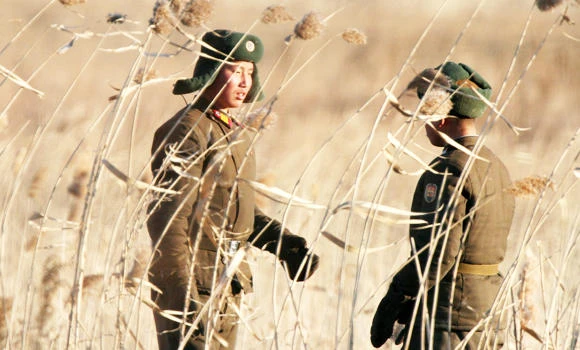
Shortly after the North's test, Park put her front-line troops on their highest alert, reportedly moved missiles, artillery and other weapons closer to the border, partially banned South Koreans from a jointly run factory park in the North and allowed huge green speakers along the border to begin cranking out South Korean K-pop songs and criticism of the North's leadership.
She could have done more to punish the North, by slapping them with bilateral punitive measures and ending the South's participation in the factory park, which is a rare cash cow for the impoverished, widely shunned North. The park, however, is also the last major inter-Korean project from an earlier era of rapprochement.
’American detained by N. Korean government’