LAGOS: Nigerians go to the polls in a month’s time to elect a new president against a backdrop of a raging Boko Haram insurgency, economic troubles and persistent concerns over rampant corruption.
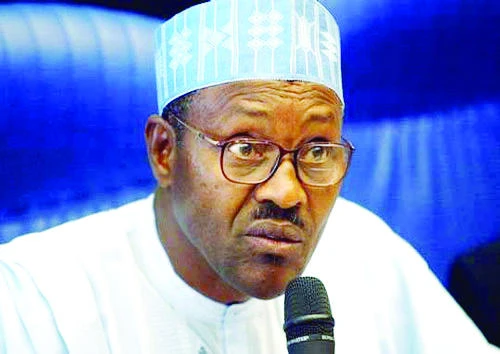
President Goodluck Jonathan is hoping to win a second, four-year term at the Feb. 14 vote but is expected to be run close by former ruler Muhammadu Buhari.
Some analysts believe a second round of voting may even be needed.
Insecurity is dominating the run-up to the poll, with no let-up in Boko Haram’s bloody rampage in the troubled northeast.
Hundreds or more civilians were feared killed in what may prove the worst atrocity in the six-year insurgency.
The violence has forced hundreds of thousands of people to flee the region, which is an opposition stronghold, while Boko Haram’s control of territory makes it impossible to return.
The head of the Independent National Electoral Commission (INEC), Attahiru Jega, said on Monday it will be “impossible” to hold the election in all areas of the three worst-affected states.
Arrangements were being made to allow the internally displaced to vote, he added, but political commentator Chris Ngwodo said the final result could be contested.
“It certainly does look like it’s set for a legal challenge,” he told AFP.
Nearly 12 months ago, Nigeria — Africa’s most populous nation with some 170 million people and it leading oil producer — was crowned the continent’s leading economy.
But the fall in the global price of crude — the mainstay of Nigeria’s economy — has since slashed government revenue, forced the devaluation of the currency and a revision of the 2015 budget. With the outlook bleak and longstanding concerns about the high cost of living and unemployment, the main opposition All Progressives Congress (APC) has been handed a trump card.
“It (the state of the economy) will have a dramatic impact,” said economist Bismark Rewane, describing it as a potential “game changer.”
Even the elite has been hit by the knock-on effects of the slump in oil prices to six-year lows below $50 a barrel. Jonathan, Buhari and the parties have largely campaigned negatively, resorting to personal smears rather than closely argued points of policy.
The 57-year-old Jonathan, a southern Christian, has failed to tackle corruption and impunity, while he has done little to prevent the loss of territory to Boko Haram.
Jonathan is pleading for more time to finish their “transformation agenda,” while Buhari and the APC believe they are better placed to end graft and the insurgency.
The APC coalition is seen by some as having the upper hand.
Crunch presidential vote looms for Nigeria