COPENHAGEN: Hoping to diminish Denmark’s appeal to migrants, the country’s government plans to force asylum-seekers to hand over any valuables worth more than $1,500 to help cover their housing and food costs while their cases are being processed.
The center-right government’s proposal is expected to be approved by Parliament this month despite outrage from human rights activists who say it’s a cruel and degrading way to treat people who have fled war and misery.
While noting the rules would be no different from those that apply to Danes receiving welfare benefits, government officials are candid about the purpose: Persuading migrants to go somewhere else.
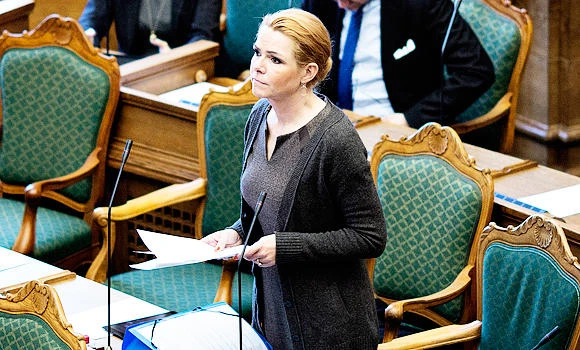
“Denmark must become significantly less attractive for asylum-seekers,” Immigration Minister Inger Stoejberg said Wednesday during the first of three readings of the bill in Parliament. She said fewer refugees would mean better opportunities to integrate immigrants who are already in Denmark.
Compared with its neighbors, the nation of 5.6 million people wedged between Germany and Sweden received a small part of Europe’s migrant flow last year. About 20,000 people applied for asylum in Denmark, while 1.1 million did so in Germany and 163,000 in Sweden.
Danish officials have said the welcoming attitudes in those countries could put pressure on their welfare systems and lead to social unrest.
Their hard line has not been lost on many of the thousands of Syrians, Afghans, Iraqis and others who see Denmark only as a transit point to reach other Nordic countries.
“Will they take gold teeth, too?” said Rami Nayil, a 39-year-old Syrian who applied for asylum in Denmark after new border controls prevented him from reaching Sweden.
The proposal wouldn’t apply to dental fillings or valuables “with a sentimental value,” such as wedding and engagement rings. The government has not issued a list of the high-value items that could be seized but made it clear that smartphones would not be taken.
Denmark is not the only country taking such action. Switzerland requires asylum-seekers to hand over cash of more than 1,000 francs ($996). Lea Wertheimer, spokeswoman for the State Secretariat for Migration, said the rule only affected 112 out of 45,000 refugees last year and brought in 210,000 francs.
She said the money is used to cover refugees’ upkeep, and stressed similar rules require Swiss citizens to repay welfare benefits when they’re able.
The Danish plan is expected to pass because the opposition Social Democrats endorsed it after some amendments were made, including raising the value of items the asylum-seekers can keep from 3,000 kroner ($440) to 10,000 kroner ($1,500). That brings it in line with welfare rules for Danes, who must sell assets worth more than 10,000 kroner before they can receive social benefits.
William Spindler, a spokesman for the UN refugee agency, criticized the plan, saying refugees entering Europe on rickety boats have often lost their homes, jobs, most of their belongings and sometimes family members. “It is hard to believe that Denmark is seriously considering taking away from them the few belongings that they have managed to take with them.”
Denmark’s new plan to deter migrants — seize their valuables