TEKNAF: In Bangladesh’s southernmost tip, families cling to scraps of paper with Malaysian and Thai hand phone numbers scribbled on them as their only links to loved ones missing after boarding fishing boats, lured by hopes of a brighter future overseas.
Some of the families have received calls from those numbers, from people claiming to be holding their husbands or sons and asking for ransom to get them home.
Sometimes the captives have phoned themselves in all-too-brief calls, pleading for their families to heed the demands. The families call back but either nobody answers or, if they do, the phone goes dead.
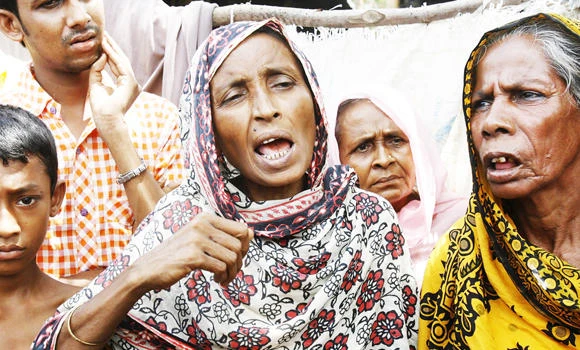
Khaleda Banu, from a dirt-poor fishing settlement, said a man phoned her four days ago saying her 19-year-old son, missing since November, was alive. She could have him back if she handed over 30,000 taka ($385) as part payment.
But she had already paid that amount months ago when the first call came and nothing had happened. The man hung up and wouldn’t answer her calls and now the mother, surrounded by neighbors, is sick with worry.
“My son just slipped away. I was sleeping when he left,” she said. She found out later a man claiming to be a recruiter had persuaded him that his carpentry skills would earn him 10 times more money in Malaysia than at home.
She filed a case against the agent who has since been arrested. But the agent can’t help her find her son. Thousands of people, mostly Rohingya Muslims fleeing persecution in Buddhist-majority Myanmar, but also Bangladeshis have been trying to slip into Thailand, Malaysia and Indonesia for years through people-smuggling networks.
More than 4,000 migrants have landed in Indonesia, Malaysia, Thailand, Myanmar and Bangladesh in recent weeks.
Desperate migrant families await calls for ransom