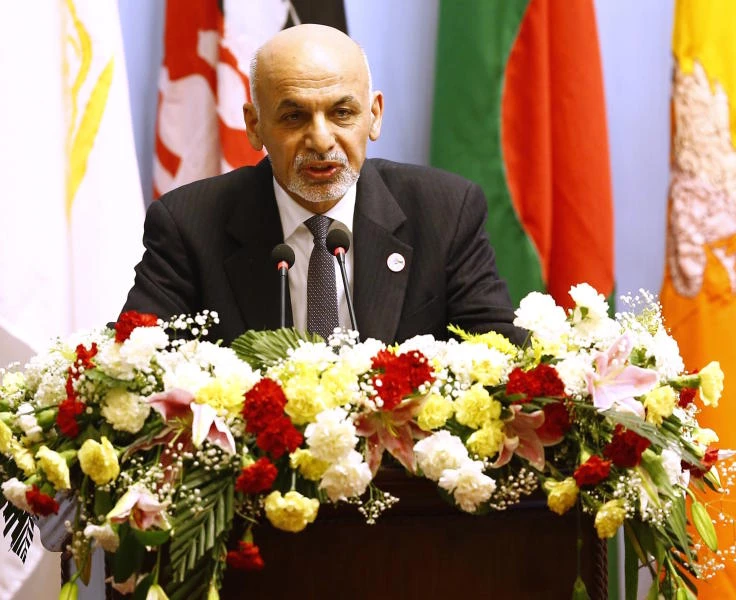
Katmandu: Afghanistan’s new president told the Indian and Pakistani leaders Wednesday he would not let his country become the battleground for a proxy war, as the enmity between South Asia’s arch-rivals cast a shadow over a regional summit. Nuclear-armed neighbors India and Pakistan have long accused each other of using proxy forces to try to gain influence in Afghanistan.
But the imminent departure of NATO combat troops from Afghanistan has raised fears that rivalry could escalate, further destabilising the two countries’ troubled neighbor as it tries to rebuild after decades of war.
President Ashraf Ghani issued his warning to South Asian leaders meeting in the Nepalese capital Katmandu to try to reinvigorate regional cooperation held back by decades of rivalry between India and Pakistan.
“We will not allow our territory to be used against any of our neighbors. But we will not permit anybody to conduct proxy wars on our soil either,” he told the leaders including Indian Prime Minister Narendra Modi and Pakistan’s Nawaz Sharif.
Ghani’s predecessor Hamid Karzai frequently accused Pakistan of trying to destabilize the Afghan government by giving sanctuary to Taleban fighters.
Only last week, former Pakistan President Pervez Musharraf warned that the departure of NATO troops could provoke a proxy Indo-Pakistan war involving members of Afghanistan’s rival ethnic groups.
Without mentioning Pakistan by name, Ghani said state sponsorship of non-state actors could have “blowback effects,” and described the aftermath of a suicide blast at a volleyball game in Afghanistan that killed 57 people on Sunday.
“To hold wounded children in one’s arms in a hospital, as I was late Sunday evening, is to feel the depth of our fall from our sense of shared humanity,” he said.
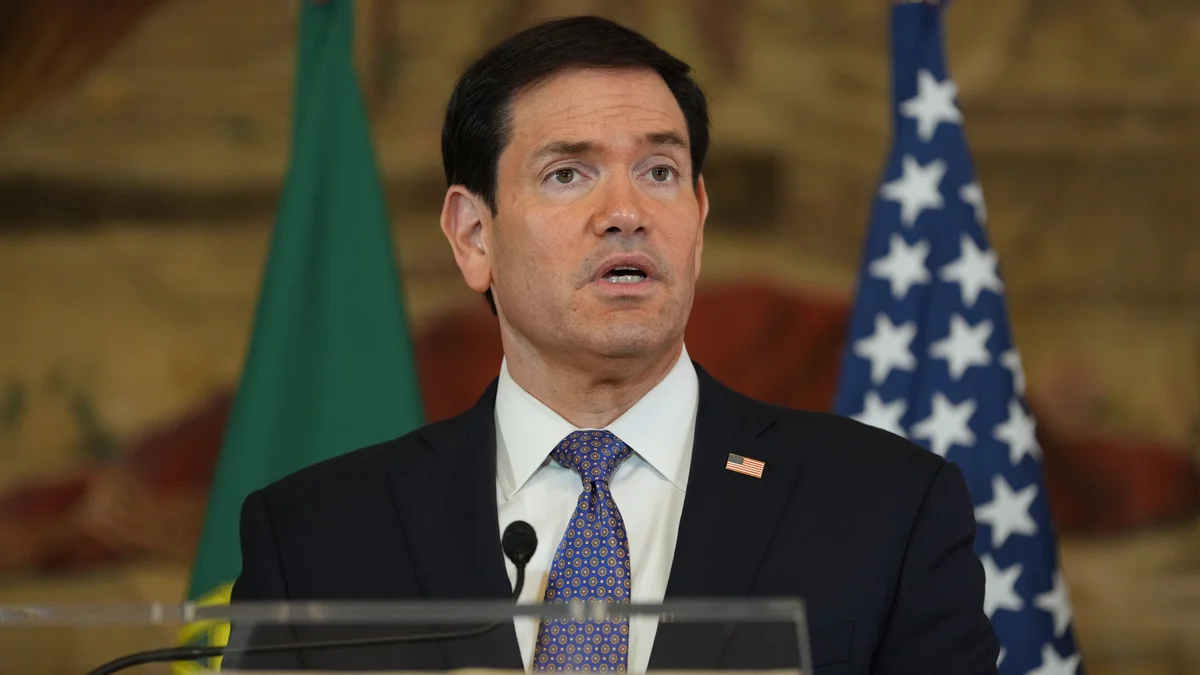
Modi told Ghani India was committed to strengthening relations with Afghanistan, India’s Foreign Ministry spokesman tweeted after the two leaders held their first face-to-face talks on the summit’s sidelines.
India, the largest regional investor in Afghanistan, enjoyed close relations with Ghani’s predecessor and is building a huge new Parliament in Kabul and funding new roads, dams, infrastructure and reconstruction.
Modi said India would lead a drive to increase regional trade, committing to reduce his country’s large trade deficit with other South Asian nations and make it easier for goods to cross its borders.
He also pledged to launch a communications satellite dedicated to the SAARC nations by 2016.
Trade between them — Afghanistan, Bangladesh, Bhutan, India, Nepal, the Maldives, Pakistan and Sri Lanka — has grown from under $140 million in 2008 to $878 million in 2012, but still accounts for less than five percent of the region’s total commerce.
Ghani warns against Afghan ‘proxy war’ at SAARC summit