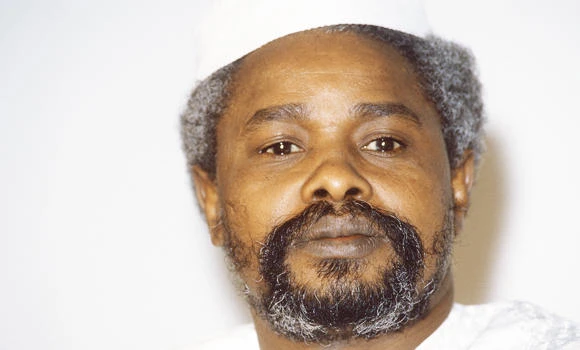
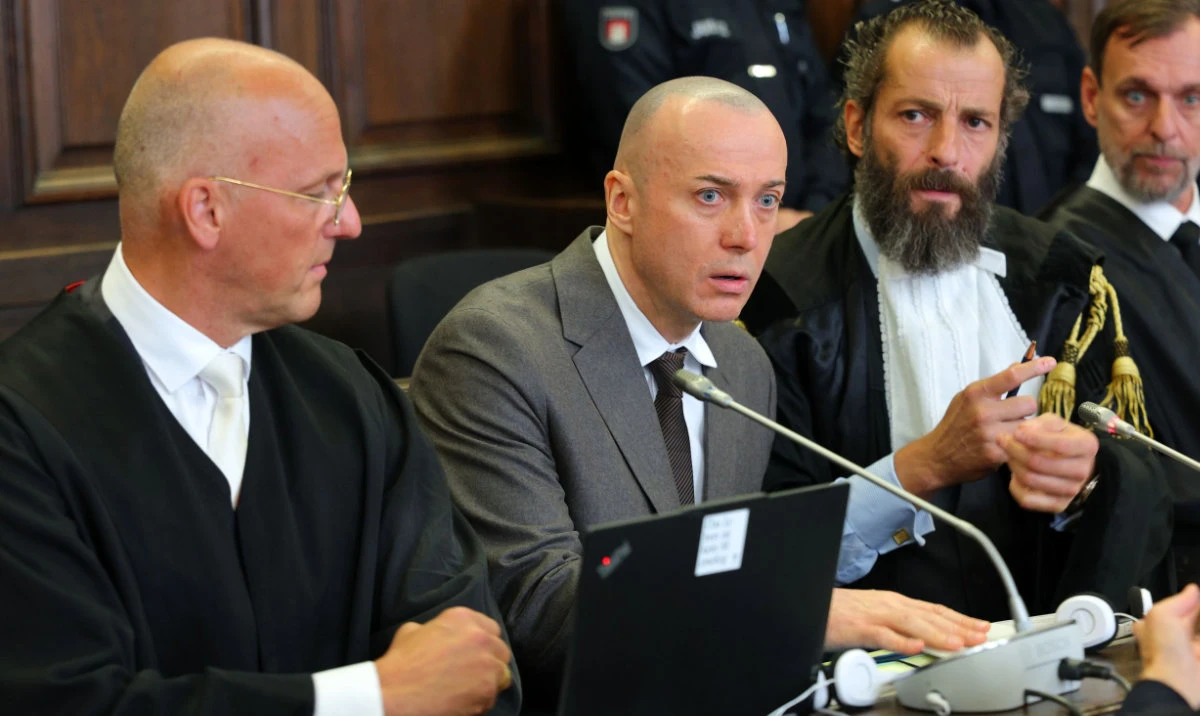
DAKAR: Chad’s former dictator Hissene Habre was forced into the dock as his trial resumed in Senegal on Monday over a string of atrocities committed during eight blood-soaked years in power.
The 72-year-old, once backed by France and the US as a bulwark against Libya’s Muammar Qaddafi, is accused of war crimes, crimes against humanity and torture between 1982 and 1990.
He has refused to recognize the authority of Dakar’s Extraordinary African Chambers and was escorted by force into the dock as the court reconvened after a 45-day adjournment.
Dressed in his trademark robe and a white turban, Habre dismissed the court as an “illegal organisation” before shouting “down with imperialism.”
“At the moment, it is judging you, whether you are consenting or not,” retorted Gberdao Gustave Kam, the Burkinabe president of the chambers. The proceedings were interrupted by several interjections from Habre and the expulsion of several of his supporters.
For more than three hours, two clerks read out a document setting out the circumstances of Habre’s alleged crimes.
Much of the material related to the country’s feared Documentation and Security Directorate (DDS), described as the “political police” and main “instrument of terror” of Habre’s regime.
“With Hissene Habre, even a fly could not be swatted without his order,” said one former DDS officer quoted in the document.
Some 40,000 Chadians were killed under a regime of brutal repression of opponents and rival ethnic groups Habre perceived as a threat to his grip on the Sahel nation, according to a Chadian commission of inquiry and human rights groups.
Haoua Brahim Faraj, arrested aged 13 and jailed for four years, said she was “very happy” to see Habre in court.
“I was relieved when I saw that he was carried in like a child. Today, he is diminished,” she told AFP.
Habre has never accepted the legitimacy of the Dakar prosecution, the first time a despot from one African country has been called to account in another.
He was similarly forced into the dock on July 20 when his trial, a landmark in African judicial history, got underway.
The court has appointed three attorneys to defend him after he refused legal representation. It adjourned in July to give the lawyers time to prepare the defence, but Habre wants nothing to do with them.
Habre in dock as trial resumes in Senegal