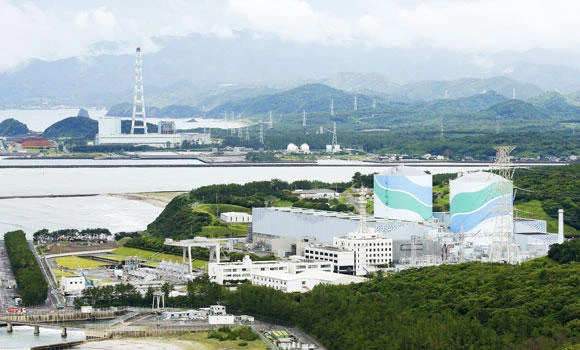
TOKYO: Japan’s nuclear regulator on Wednesday approved the restart of a nuclear power station, the first step to reopening an industry that has been idle since the Fukushima disaster, as the government pushes for the permanent closure of older reactors.
A nuclear power plant in southern Japan won regulators’ approval Wednesday under new safety standards imposed after the 2011 Fukushima disaster, a key step toward becoming the first to restart under the tighter rules.
The Nuclear Regulation Authority unanimously approved an inspection report for the Sendai Nuclear Power Station’s two reactors. It concluded that the reactors complied with new regulations designed to avoid major damage during disasters such as the massive earthquake and tsunami that caused meltdowns at the Fukushima Dai-ichi plant.
The plant’s safety approval and its expected restart are a big boost for Japan’s nuclear industry. All of the country’s 48 remaining reactors have been offline since the 2011 disaster for safety checks and repairs, except for two that briefly operated under the previous safety standards.
The approval of the inspection report followed a 30-day review in which regulators read about 17,000 questions and comments from the public and experts, reflecting the huge public interest in the reactors’ safety and possible restart.
The authority, however, has no say over a restart of the plant, and it will probably be several months before Sendai’s reactors are back online. The plant, which is operated by Kyushu Electric Power Co., still faces an on-site operational inspection and must obtain the consent of local authorities.
Kyushu Electric has upgraded the plant’s seismic resistance and is tripling the height of its tsunami seawall to 15 meters. It also has evaluated newly added risks including terrorist attacks, airplane strikes and volcanic explosions.
But opponents say the approval is premature because Kyushu Electric can wait two years to implement some key safety measures, such as filters on vents to reduce radiation leaks, and because nearby communities still lack adequate evacuation plans.
Japan returning to nuclear power?