
DUBAI: Looking beyond the imposing sandstone facades that have come to define Petra, seven Jordanian designers turned to the ingenuity of the ancient Nabataean civilization for inspiration, exploring its legacy in an exhibition at NOMAD Abu Dhabi.
“Petra: The Continuous Archive” was curated by cultural strategy studio BADLE, founded by Haya Muasher. Spanning ceramics, jewelry, textiles and lighting, it sought to reposition Petra as a source of knowledge for contemporary designers rather than simply a site of archaeological significance.

“The world knows Petra through a single image: The Treasury, the facade, the billboard. That image has obscured its people and its intelligence,” Muasher told Arab News.
“Behind the facade were engineers, potters, traders and scribes, and the systems that made life possible in the desert — water channels, ceramic pipes and the script that became Arabic. Even The Treasury’s name comes from a legend of hidden gold. The real treasure was always the civilization around it.”
The emphasis was firmly on highlighting functional, collectible objects. Examples include Dina Haddadin’s “Channels of Light,” which reinterpreted ancient Nabataean water channels as passages for light carved into Jordanian granite, while Sama El-Saket of Haswa Ceramics drew on ancient pottery decoration techniques to produce contemporary tiles using locally sourced clay. Ishraq Zraikat explored the Nabataeans’ approach to carving through a series of wool hangings titled “Excavations.”
“The form appears through removal, the way Nabataean monuments were carved into the rock rather than built,” Muasher explained.
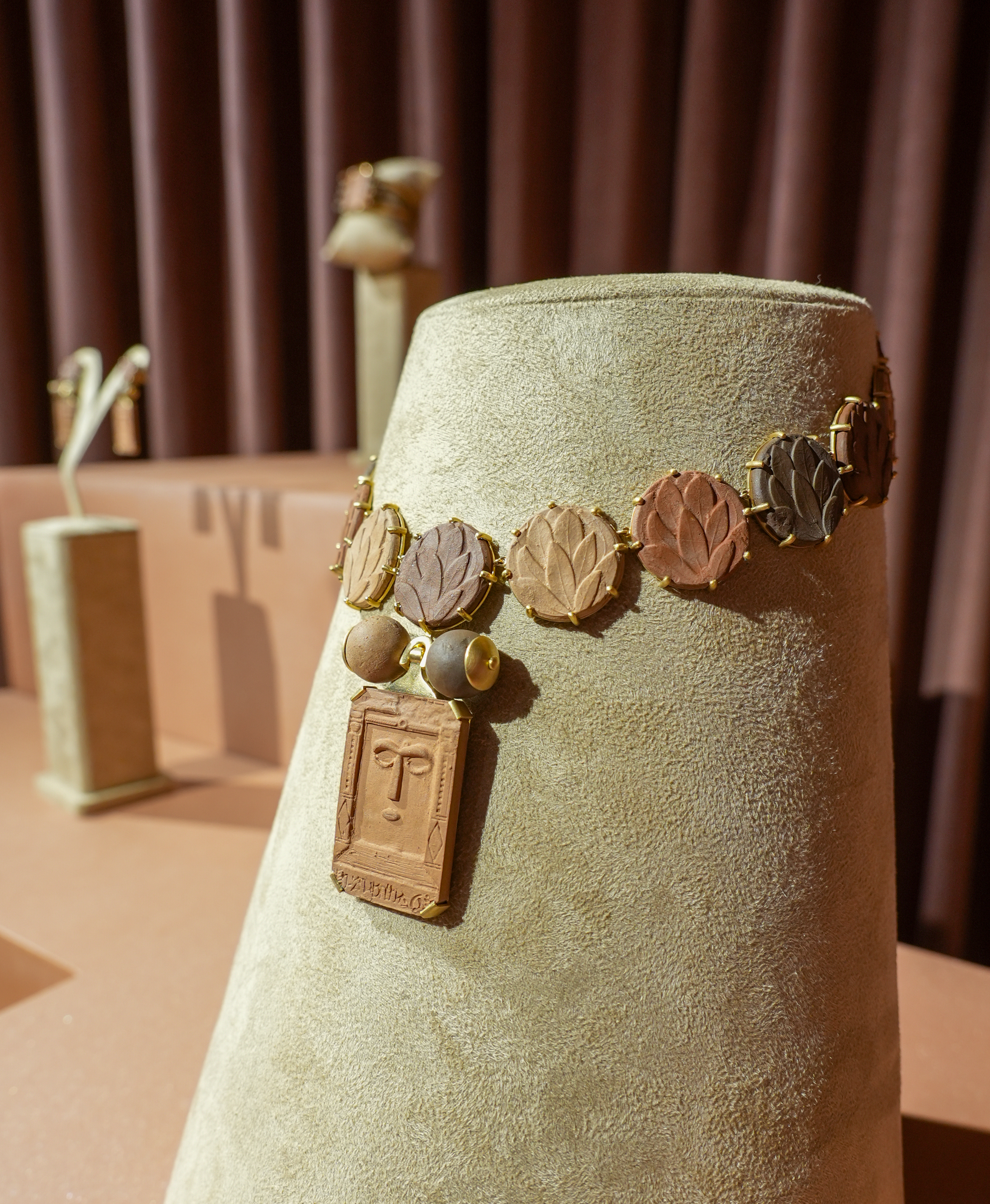
Other participating designers included Mazen Al-Ali, Ammar Khammash and Raya Kassisieh, while Muasher’s own jewelry label, AMMARI Archive, presented pieces combining 18-karat gold, clay and Nabataean script.
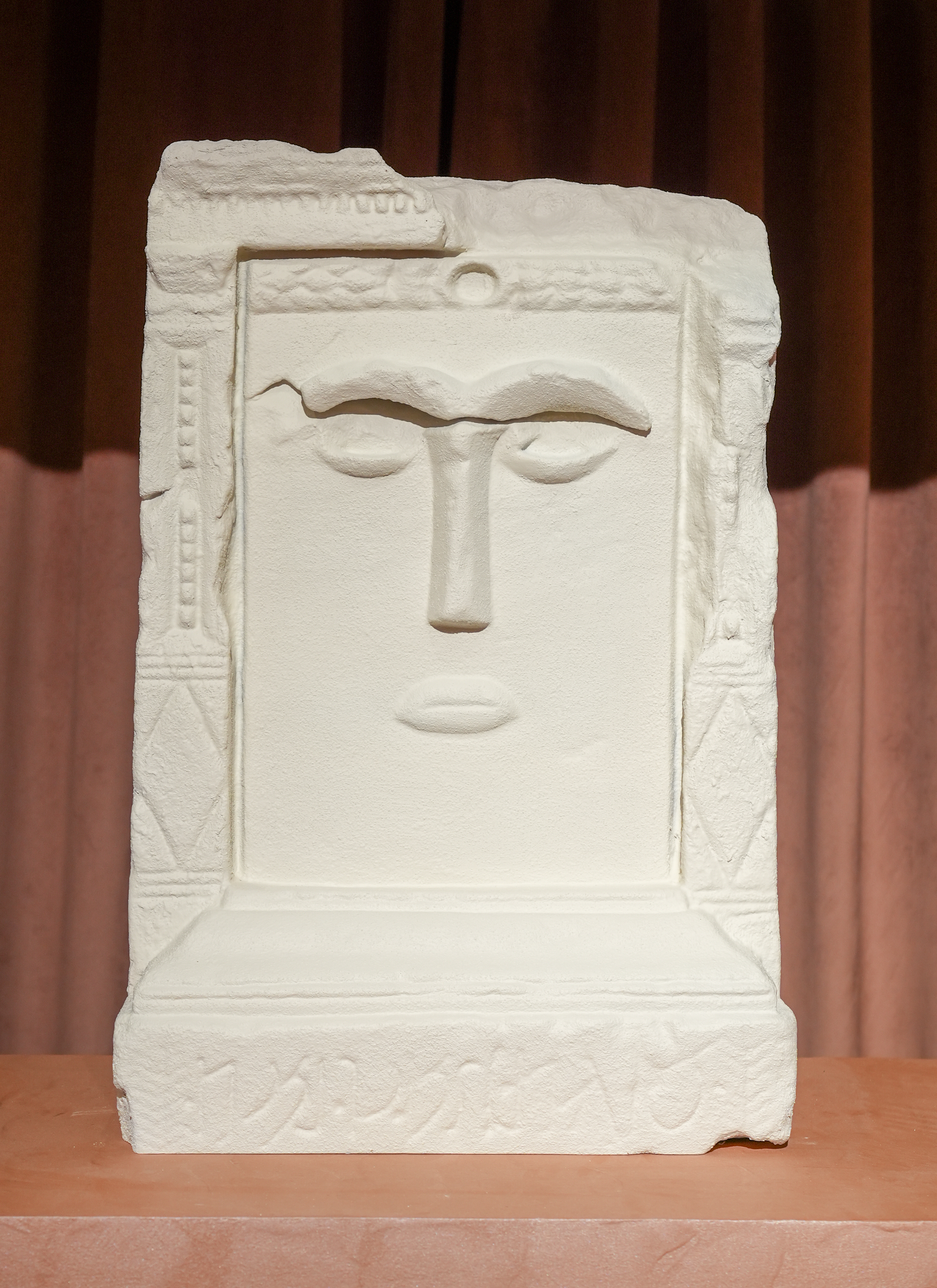
The contemporary works were displayed alongside five 3D-printed objects produced by RUM Atelier and modeled on ancient artifacts from Petra, allowing visitors to trace the designers’ creative explorations back to their historical origins.
For Muasher, the exhibition had a dual aim — to celebrate Jordan’s contemporary creative community as well as its cultural heritage.
“I want the design world to start using Petra as a reference, and I want to show that Jordan has design of this level. Jordanian designers stand closest to this knowledge, and they are best placed to carry it internationally,” she said.
Muasher hopes to develop the exhibition into an annual initiative, with future editions exploring different aspects of Nabataean knowledge.
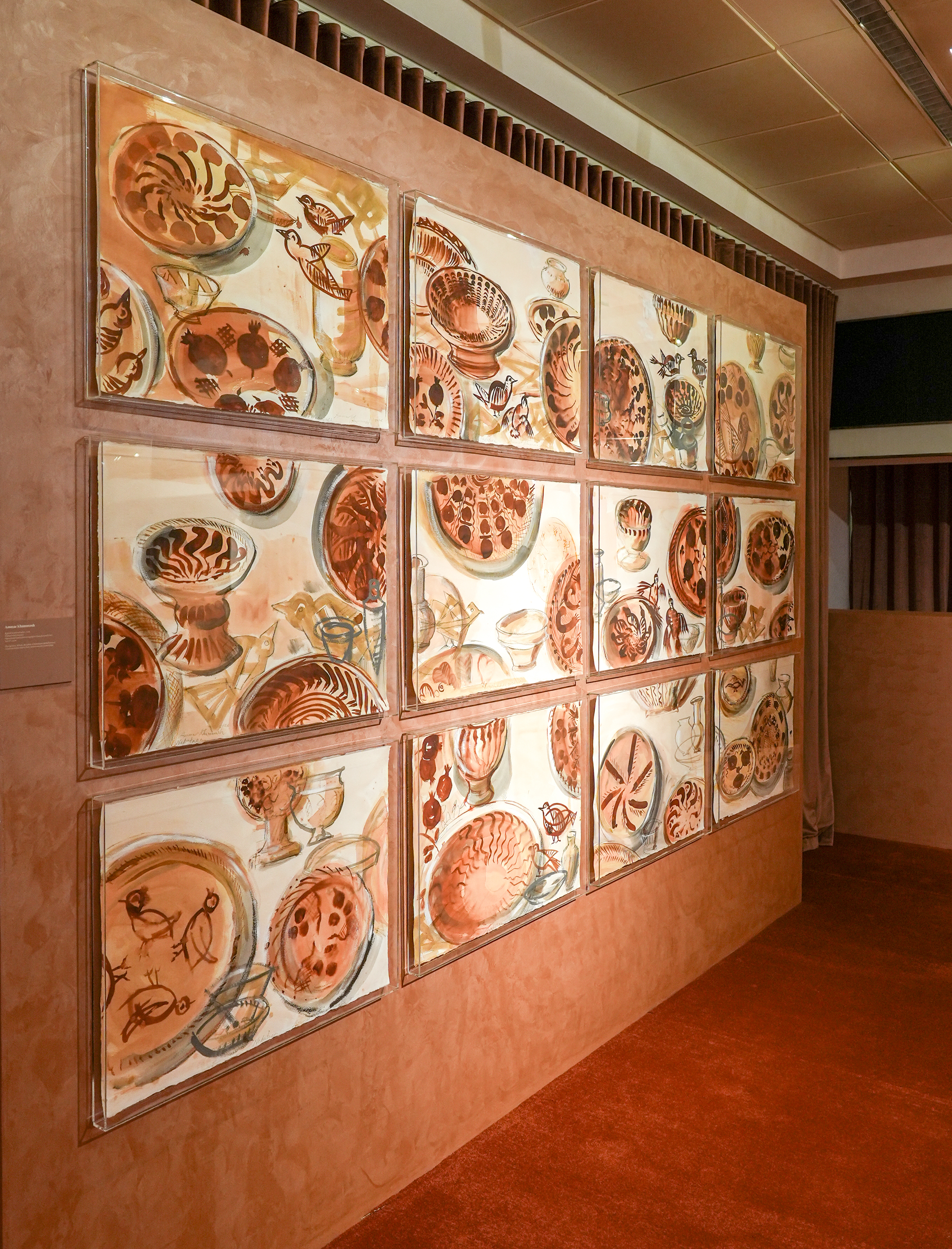
“An archive is never finished. Preservation matters, but knowledge only stays alive when it is used. The Nabataeans themselves absorbed and transformed what reached them along the trade routes. The same clay is still worked in Jordan today, by hands that carry its knowledge forward.
“I hope Petra comes to be seen as a living source, not a postcard … Beauty matters, and it is what makes a work stand out. But behind the beauty is knowledge, and that is what gives an object lasting value,” she added.