ABUJA: Nigerian authorities came under fire on Sunday over the decision to postpone national elections in the face of relentless Boko Haram violence, with the opposition branding the move a “major setback for democracy.”
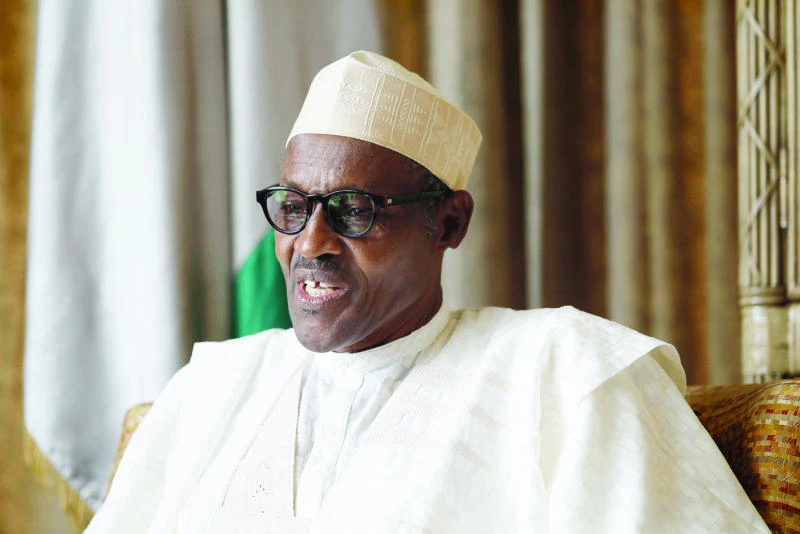
Some observers charged that the political woes of President Goodluck Jonathan — facing an increasingly strong election challenge from ex-military ruler Muhammadu Buhari — were the real reason for the delay.
Election body chairman Attahiru Jega announced late Saturday that the presidential and parliamentary polls would be postponed from Feb. 14 to March 28, while gubernatorial and state assembly elections would be held on April 11.
National security adviser Sambo Dasuki had written to Jega saying security could not be guaranteed on February 14 because all available military resources were committed to an intensified operation against the militants in the northeast.
But the Buhari’s All Progressives Congress (APC) called the postponement “highly provocative” and “a major setback for democracy,” while nevertheless appealing for calm.
The United States said it was “deeply disappointed” by the delay, with Secretary of State John Kerry warning the government against using “security concerns as a pretext for impeding the democratic process.”
Jonathan’s ruling Peoples Democratic Party (PDP) was facing its first serious electoral challenge since the end of military rule in 1999, with growing support for the APC.
Buhari, who has positioned himself as Nigeria’s top anti-corruption crusader, was thought to have locked up a majority in the mainly Muslim north, his home region, while building support among southerners fed up with graft.
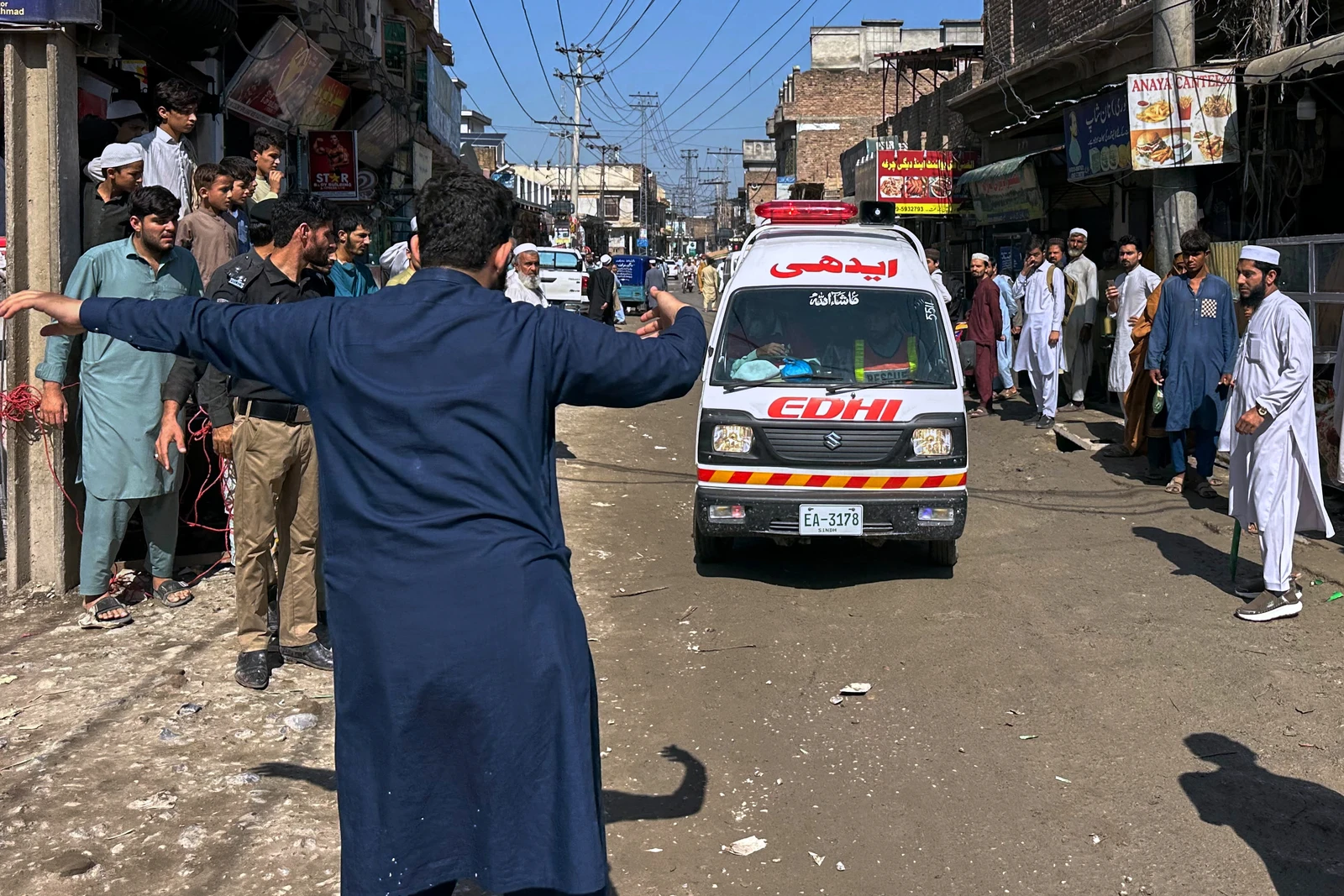
There were widespread fears about security for the February 14 vote, with Boko Haram intensifying its bloody six-year insurgency in Nigeria and spreading its campaign of terror into neighboring countries.
UN Secretary General Ban Ki-moon urged electoral authorities “to take all necessary measures... to exercise their right to vote in a timely manner,” including the rapid distribution of voter cards.
“This is imperative for ensuring a credible, free and transparent election,” his spokesman said in a statement.
Dasuki had first raised the prospect of a postponement last month when he noted difficulties in distributing voter identity cards.
Jega had said on Thursday that the Independent National Electoral Commission (INEC) was ready for Feb. 14 and that 66.5 percent of Nigeria’s 68.8 million registered voters had collected their polling cards.
But on Saturday Jega said “other variables” made a delay necessary, explaining that the military “may not be able to provide the traditional support” they render during elections.
In Boko Haram’s northeast stronghold, hundreds of thousands of people displaced by the fighting were at risk of being disenfranchised.
Nigeria under fire over vote delay