OSLO/BOGOTA: Colombian President Juan Manuel Santos won the 2016 Nobel Peace Prize on Friday for his efforts to end a 52-year-old war with Marxist guerrillas, a surprise choice and a show of support days after voters rejected a peace deal he signed with the rebels.
The Norwegian Nobel Committee said Santos had brought one of the longest civil wars in modern history significantly closer to a peaceful solution, but there was still a danger the peace process could collapse.
The award excluded FARC guerrilla leader Rodrigo Londono, better known by his nom de guerre Timochenko, who signed the peace accord with Santos in Cartagena on Sept. 26.
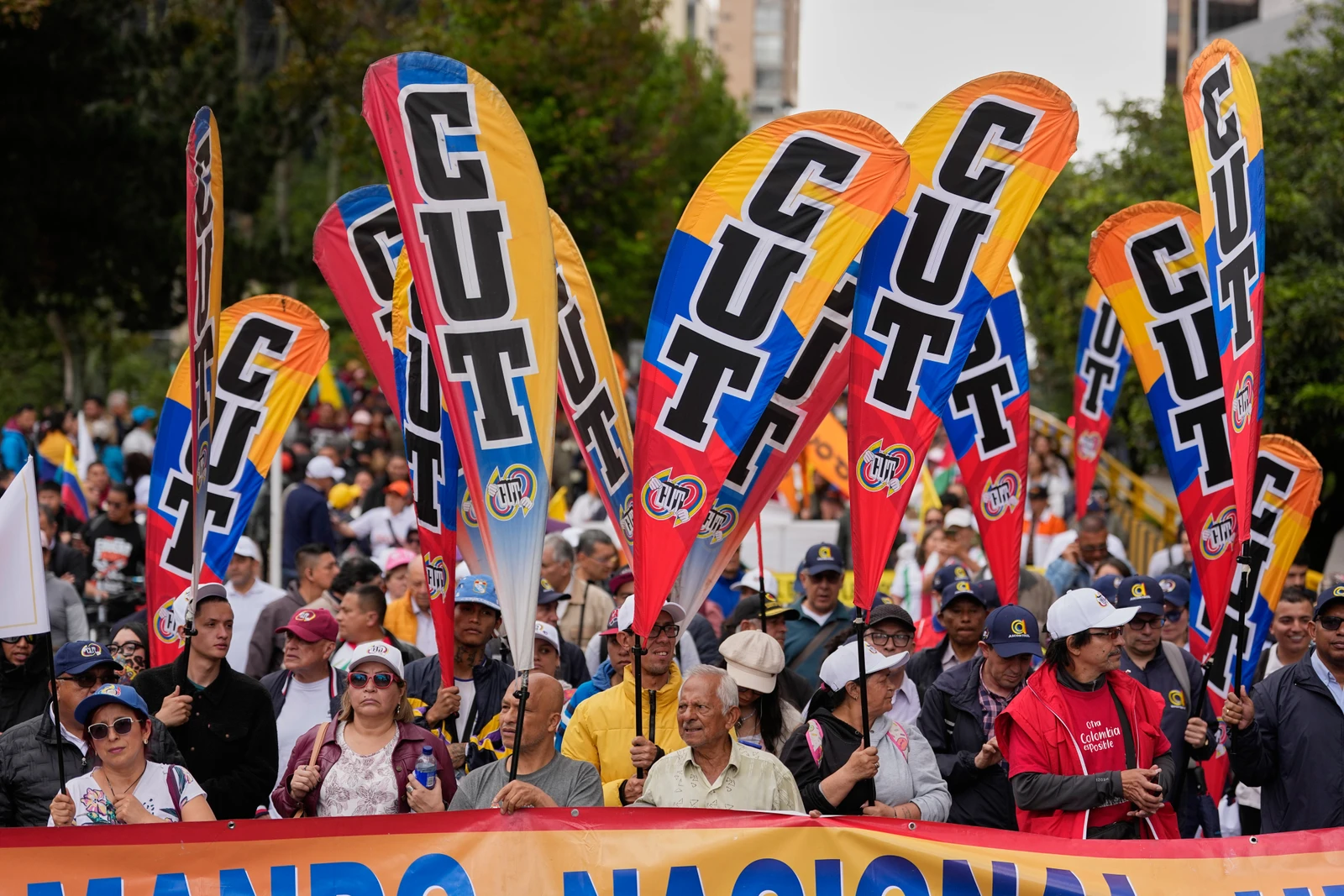
Santos has promised to revive the plan even though Colombians narrowly rejected it in a referendum on Sunday. Many voters believed it was too lenient on the FARC guerrillas.
“There is a real danger that the peace process will come to a halt and that civil war will flare up again. This makes it even more important that the parties ... continue to respect the cease-fire,” the Norwegian Nobel Committee said.
“The fact that a majority of the voters said ‘No’ to the peace accord does not necessarily mean that the peace process is dead.”
More than 220,000 people have died on the battlefield or in massacres during the conflict between leftist guerrillas, government troops and right-wing paramilitaries. Millions have been displaced and many beg on the streets of the capital, while economic potential has been held up in the mostly rural nation.
“I infinitely appreciate from all of my heart this honorable distinction, not in my name, but the name of all Colombians, and especially the millions of victims that have been left by the conflict we have suffered for more than 50 years,” Santos, 65, said in a brief statement. “Thank God peace is close. Peace is possible.”
Asked why Londono was left out, committee leader Kaci Kullmann Five said Santos had been central to the process.
“President Santos has been taking the very first and historic initiative. There have been other tries, but this time he went all-in as leader of the government with a strong will to reach a result. That’s why we have put the emphasis on president.”
She refused to elaborate on Londono’s role. Londono via Twitter congratulated Santos, and thanked countries including Cuba and Venezuela for supporting the process.
Santos dedicated his prize to the victims of his country’s civil war.
“I am infinitely and whole-heartedly grateful for this honor,” he said in a televised address.
“I receive it not in my own name, but in the name of all Colombians, especially the millions of victims of this conflict that we have suffered for more than 50 years.”
Meanwhile, Colombia’s government and Marxist FARC rebels said they were willing to listen to proposals to alter their peace accord after a painstakingly negotiated deal was unexpectedly rejected in a plebiscite, leaving the country in limbo.
In a joint statement from Havana, negotiators from the government and FARC said that after four years of talks, they have the “necessary reforms and measures to achieve peace and guarantee an end to the conflict.”
The two sides, however, recognized the accord was rejected in an Oct. 2 plebiscite and were willing to listen to proposed adjustments.
“It’s right that we continue listening to different sectors of society in a quick and efficient manner to understand their concerns and promptly find a solution,” they said in statement read by lead government negotiator Humberto de la Calle, without providing details of the next steps.
The Nobel Committee said Santos had brought one of the longest civil wars in modern history closer to a peaceful solution, but the process could still collapse given the plebiscite result.
In a vote that confounded opinion polls and was a disaster for Santos, Colombians narrowly rebuffed the pact as too lenient on the rebels, who formed in 1964 as a peasant rebellion.
While the nation of almost 49 million people clamor for peace, the result of the plebiscite showed Colombians are not willing to accept it at any price.
In Bogota, Santos and representatives have been listening to the views of those who voted against the deal, led by former President Alvaro Uribe. Those will be presented by government negotiators at some point to the FARC for discussion.
Uribe opposed the peace talks from the start and said the final deal gave too many concessions to the rebels.
He spearheaded the “no” campaign, urging Colombians to reject the accord, which would have given the FARC guaranteed congressional seats and immunity from traditional jail sentences. His side won by half a percentage point.
***********************
WHO SAID WHAT...
• "The only prize we aspire to is peace with social justice for Colombia, without (right-wing) paramilitary groups, without retaliation (against leftist rebels) or lies."
— FARC leader Timoleon "Timochenko" Jimenez.
• The award came "at a critical moment" to give hope and encouragement to the Colombian people.
— UN chief Ban Ki-moon
• The prize was recognition of Santos's "political courage".
— UN refugee chief Filippo Grandi
• The guerrilla movement should have shared the prestigious award. "Yes. It's very hard for me to say yes, but I think so."
— Former FARC hostage Ingrid Betancourt
• "I congratulate President Santos on the Nobel. The prize would encourage "changes" to the peace accord with the rebels.
— Colombia’s former leader Alvaro Uribe
• "Those who dream of peace always manage to build it, come hell or high water.
— EU foreign policy chief Federica Mogherini
• Santo's "total dedication" to forging peace, his "calm and collected" reaction to the shock referendum result is praiseworthy.
— European Parliament President Martin Schulz
The Norwegian Nobel Committee said Santos had brought one of the longest civil wars in modern history significantly closer to a peaceful solution, but there was still a danger the peace process could collapse.
The award excluded FARC guerrilla leader Rodrigo Londono, better known by his nom de guerre Timochenko, who signed the peace accord with Santos in Cartagena on Sept. 26.
Santos has promised to revive the plan even though Colombians narrowly rejected it in a referendum on Sunday. Many voters believed it was too lenient on the FARC guerrillas.
“There is a real danger that the peace process will come to a halt and that civil war will flare up again. This makes it even more important that the parties ... continue to respect the cease-fire,” the Norwegian Nobel Committee said.
“The fact that a majority of the voters said ‘No’ to the peace accord does not necessarily mean that the peace process is dead.”
More than 220,000 people have died on the battlefield or in massacres during the conflict between leftist guerrillas, government troops and right-wing paramilitaries. Millions have been displaced and many beg on the streets of the capital, while economic potential has been held up in the mostly rural nation.
“I infinitely appreciate from all of my heart this honorable distinction, not in my name, but the name of all Colombians, and especially the millions of victims that have been left by the conflict we have suffered for more than 50 years,” Santos, 65, said in a brief statement. “Thank God peace is close. Peace is possible.”
Asked why Londono was left out, committee leader Kaci Kullmann Five said Santos had been central to the process.
“President Santos has been taking the very first and historic initiative. There have been other tries, but this time he went all-in as leader of the government with a strong will to reach a result. That’s why we have put the emphasis on president.”
She refused to elaborate on Londono’s role. Londono via Twitter congratulated Santos, and thanked countries including Cuba and Venezuela for supporting the process.
Santos dedicated his prize to the victims of his country’s civil war.
“I am infinitely and whole-heartedly grateful for this honor,” he said in a televised address.
“I receive it not in my own name, but in the name of all Colombians, especially the millions of victims of this conflict that we have suffered for more than 50 years.”
Meanwhile, Colombia’s government and Marxist FARC rebels said they were willing to listen to proposals to alter their peace accord after a painstakingly negotiated deal was unexpectedly rejected in a plebiscite, leaving the country in limbo.
In a joint statement from Havana, negotiators from the government and FARC said that after four years of talks, they have the “necessary reforms and measures to achieve peace and guarantee an end to the conflict.”
The two sides, however, recognized the accord was rejected in an Oct. 2 plebiscite and were willing to listen to proposed adjustments.
“It’s right that we continue listening to different sectors of society in a quick and efficient manner to understand their concerns and promptly find a solution,” they said in statement read by lead government negotiator Humberto de la Calle, without providing details of the next steps.
The Nobel Committee said Santos had brought one of the longest civil wars in modern history closer to a peaceful solution, but the process could still collapse given the plebiscite result.
In a vote that confounded opinion polls and was a disaster for Santos, Colombians narrowly rebuffed the pact as too lenient on the rebels, who formed in 1964 as a peasant rebellion.
While the nation of almost 49 million people clamor for peace, the result of the plebiscite showed Colombians are not willing to accept it at any price.
In Bogota, Santos and representatives have been listening to the views of those who voted against the deal, led by former President Alvaro Uribe. Those will be presented by government negotiators at some point to the FARC for discussion.
Uribe opposed the peace talks from the start and said the final deal gave too many concessions to the rebels.
He spearheaded the “no” campaign, urging Colombians to reject the accord, which would have given the FARC guaranteed congressional seats and immunity from traditional jail sentences. His side won by half a percentage point.
***********************
WHO SAID WHAT...
• "The only prize we aspire to is peace with social justice for Colombia, without (right-wing) paramilitary groups, without retaliation (against leftist rebels) or lies."
— FARC leader Timoleon "Timochenko" Jimenez.
• The award came "at a critical moment" to give hope and encouragement to the Colombian people.
— UN chief Ban Ki-moon
• The prize was recognition of Santos's "political courage".
— UN refugee chief Filippo Grandi
• The guerrilla movement should have shared the prestigious award. "Yes. It's very hard for me to say yes, but I think so."
— Former FARC hostage Ingrid Betancourt
• "I congratulate President Santos on the Nobel. The prize would encourage "changes" to the peace accord with the rebels.
— Colombia’s former leader Alvaro Uribe
• "Those who dream of peace always manage to build it, come hell or high water.
— EU foreign policy chief Federica Mogherini
• Santo's "total dedication" to forging peace, his "calm and collected" reaction to the shock referendum result is praiseworthy.
— European Parliament President Martin Schulz