TACLOBAN: Terrified survivors of a super typhoon that killed thousands in the Philippines last year were on Wednesday preparing for a powerful new storm, as authorities scrambled to find safe evacuation centers.
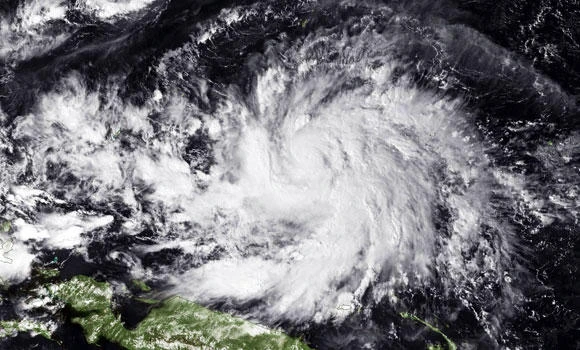
Typhoon Hagupit was building strength in the Pacific Ocean as it moved toward central Philippine islands where impoverished farming and fishing communities are yet to recover from the previous devastation.
In Tacloban, one of the cities worst-hit by Super Typhoon Haiyan 13 months ago, residents cleared shop shelves of canned food, candles, nappies and other essentials, well ahead of Hagupit’s forecast landfall on Saturday.
“It’s not raining yet but people are panic buying after hearing about the typhoon warnings on television and radio,” Helen Buena, a clerk at a small supermarket in Tacloban, told AFP.
“They’re taking goods by the dozen, two dozen.”
Hundreds of thousands of people still live in vulnerable coastal areas of Tacloban and other areas that were ravaged by Haiyan, which killed or left missing more than 7,350 people.
“Our problem is, we don’t have enough evacuation centers,” Tacloban vice mayor Jerry Yaokasin told AFP.
He said some of the schools normally used as evacuation centers had yet to be rebuilt after being destroyed in Haiyan, while others were too close to the coast.
Haiyan, the strongest typhoon ever recorded on land with winds of over 315 kilometers (196 miles) an hour, tore across a corridor of the central Philippines that was already among the nation’s poorest regions.
It also generated storm surges more than two storys high that swept kilometers inland in some places, flooding schools, gymnasiums and other buildings used as evacuation centers.
Many people were killed as they sheltered in the evacuation centers.
Yaokasin said a top priority as Hagupit approached was helping about 17,500 Haiyan survivors still living in tents or temporary shelters along coastal areas of Tacloban.
He said authorities were trying to identify new evacuation centers for them far from the coast.
Powerful storm threatens Philippines